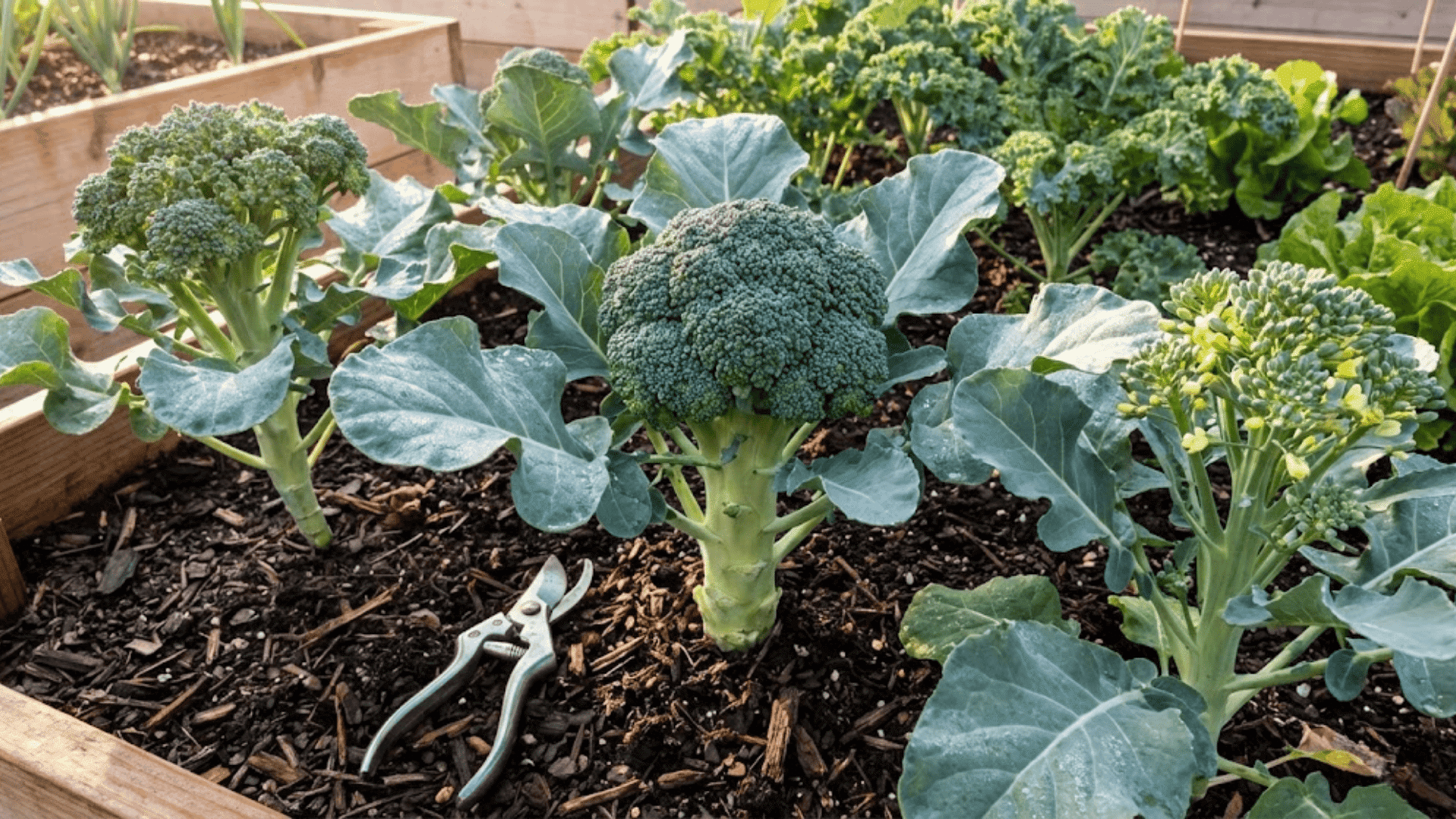
Growing broccoli is one of those gardening experiences that feels incredibly rewarding, until you’re standing there wondering if today’s the day to cut.
Should you wait a bit longer for bigger heads? Or have you already missed the window?
Timing really does make all the difference between sweet, tender florets and tough, bitter ones that nobody wants to eat.
Harvest too early, and you’re left with tiny heads that could’ve been so much more. Wait too long, and those tight buds burst into yellow flowers, completely changing the taste and texture.
Understanding what your broccoli plant is actually telling you changes everything, and once you know what to look for, you’ll never second-guess harvest day again.
Understanding the Broccoli Growth Cycle
Broccoli typically takes 60 to 100 days from seed to harvest, depending on the variety you’ve planted.
Cool-season types mature faster in spring and fall, while warmer weather can speed things up or cause premature flowering if it gets too hot.
After you cut the main central head, most varieties will produce smaller side shoots for weeks afterward, giving you multiple harvests from a single plant.
Fast-maturing varieties like ‘Green Comet’ are ready in about 55 days, while larger types like ‘Belstar’ need closer to 75 days.
Pay attention to your seed packet for specific timing, but remember that weather always plays a role in how quickly your plants actually develop.
When to Harvest Broccoli: Key Timing Guidelines
Knowing when your broccoli is ready comes down to understanding how growth patterns shift with seasons and climate.
Here’s what actually influences harvest timing in your garden.
1. Typical Harvest Window After Planting
Most broccoli varieties are ready to harvest 60 to 85 days after transplanting seedlings into your garden. If you started from seed directly in the ground, add another 2 to 3 weeks.
Spring-planted broccoli often matures faster as temperatures rise, while fall crops take their time in cooler weather.
Keep a planting date marked on your calendar so you know when to start checking daily for signs of maturity.
2. Spring vs. Fall Broccoli Harvest Timing
Spring broccoli needs to be harvested quickly once heads form, usually in late May through June, before heat causes bolting.
Fall broccoli is more forgiving, maturing slowly through September and October with sweeter flavor from cooler nights. Fall crops often produce better side shoots, too, since plants aren’t stressed by rising temperatures.
If you’re growing both seasons, expect your fall harvest to taste noticeably better and last longer.
3. How Temperature Affects Head Development?
Broccoli thrives in temperatures between 60°F and 70°F. When it gets warmer than 75°F consistently, heads develop faster but stay smaller, and buds loosen prematurely.
Cold snaps below 50°F slow growth considerably but actually improve flavor by concentrating sugars. A sudden heat wave can trigger bolting within days, turning tight heads into flowering stalks almost overnight.
Watch your weather forecast closely as heads start forming.
4. Regional Timing Differences Across the US
Broccoli harvest windows shift dramatically depending on where you live.
Here’s a general timeline for different regions, though your local weather patterns will always be the final guide.
| Region | Spring Harvest | Fall Harvest |
|---|---|---|
| Northeast | Late May to June | September to October |
| Southeast | March to April | November to December |
| Midwest | June | September to early October |
| Southwest | February to March | November to January |
| Pacific Northwest | May to June | October to November |
Your specific microclimate matters just as much as your region. Coastal areas stay cooler longer, extending spring harvests, while inland gardens experience faster temperature swings that accelerate maturity.
Visual Signs Broccoli is Ready to Harvest
Broccoli doesn’t announce when it’s ready, but it shows you through clear visual changes. Learning to read these signs means you’ll catch your harvest at peak flavor every time.
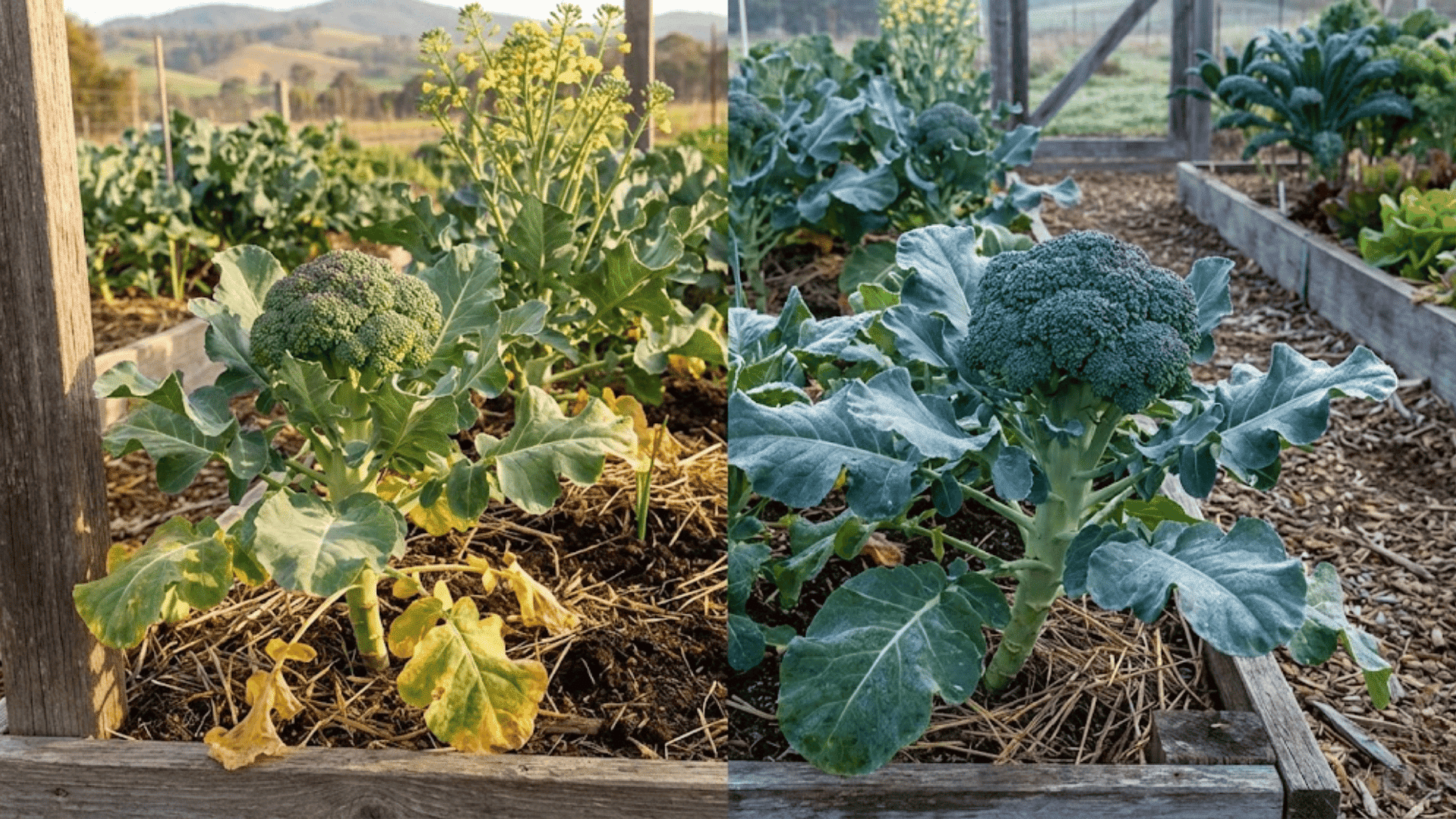
- Head diameter reaches 4 to 7 inches across with a dome shape, though smaller varieties may max out at 3 to 4 inches.
- Florets stay tightly closed with no gaps between buds, feeling firm and dense when you gently press the crown.
- Color is deep green or blue-green throughout the entire head, with no pale or faded patches.
- Any yellow tint on the buds means flowers are about to open, and you’ve got maybe a day or two left before flavor turns bitter.
- Individual florets start separating, or you see tiny yellow petals emerging, which signals the head is past its prime.
Once you spot yellowing or loosening buds, harvest immediately. Waiting even one more day can completely change the taste and texture you’ve been working toward.
When Not to Harvest Broccoli?
Sometimes the hardest part of harvesting broccoli is knowing when to hold off.
Here are situations where cutting now will leave you disappointed.
| Condition | What’s Happening | What to Do |
|---|---|---|
| Heads smaller than 2-3 inches | Still developing and growing | Wait another week unless the heat is coming |
| Loose or separating florets | Past prime, quality declining | Harvest immediately, expect a tougher texture |
| Buds starting to open | Flowering has begun | Cut now to salvage, flavor already compromised |
| Heat-stressed or bolting plants | Plant prioritizing flowers over heads | Harvest any heads now, even if small |
How to Harvest Broccoli Properly?
Getting the cut right matters just as much as timing. Using the right tools and techniques keeps your plant healthy and encourages more growth.
Tools You’ll Need for Harvesting
Having sharp, clean tools makes the job easier and protects your plant from damage or disease.
Here’s what to grab before heading to the garden.
- Sharp knife or garden shears for making clean cuts without crushing stems
- A small basket or container to hold harvested heads without bruising them
- Clean cloth or paper towel to wipe tools between plants if needed
- Gloves (optional) if you’re sensitive to the plant’s natural oils or texture
Step-by-Step Harvesting Process
Cutting broccoli the right way encourages side shoot production and keeps your plant producing for weeks. Follow these steps for the cleanest harvest.
- Step 1: Harvest in the early morning after dew dries but before afternoon heat, when heads are crispest and most flavorful.
- Step 2: Cut the main stem at a 45-degree angle about 5 to 6 inches below the head, leaving plenty of stem on the plant.
- Step 3: Make your cut clean and quick in one motion to avoid tearing or crushing the stem tissue.
- Step 4: Leave at least 4 to 5 leaves on the plant below your cut to fuel side shoot development over the coming weeks.
That angled cut prevents water from pooling on the stem and causing rot. Within a week or two, you’ll start seeing smaller side shoots emerging where leaves meet the main stalk.
Harvesting Side Shoots for Extended Yield
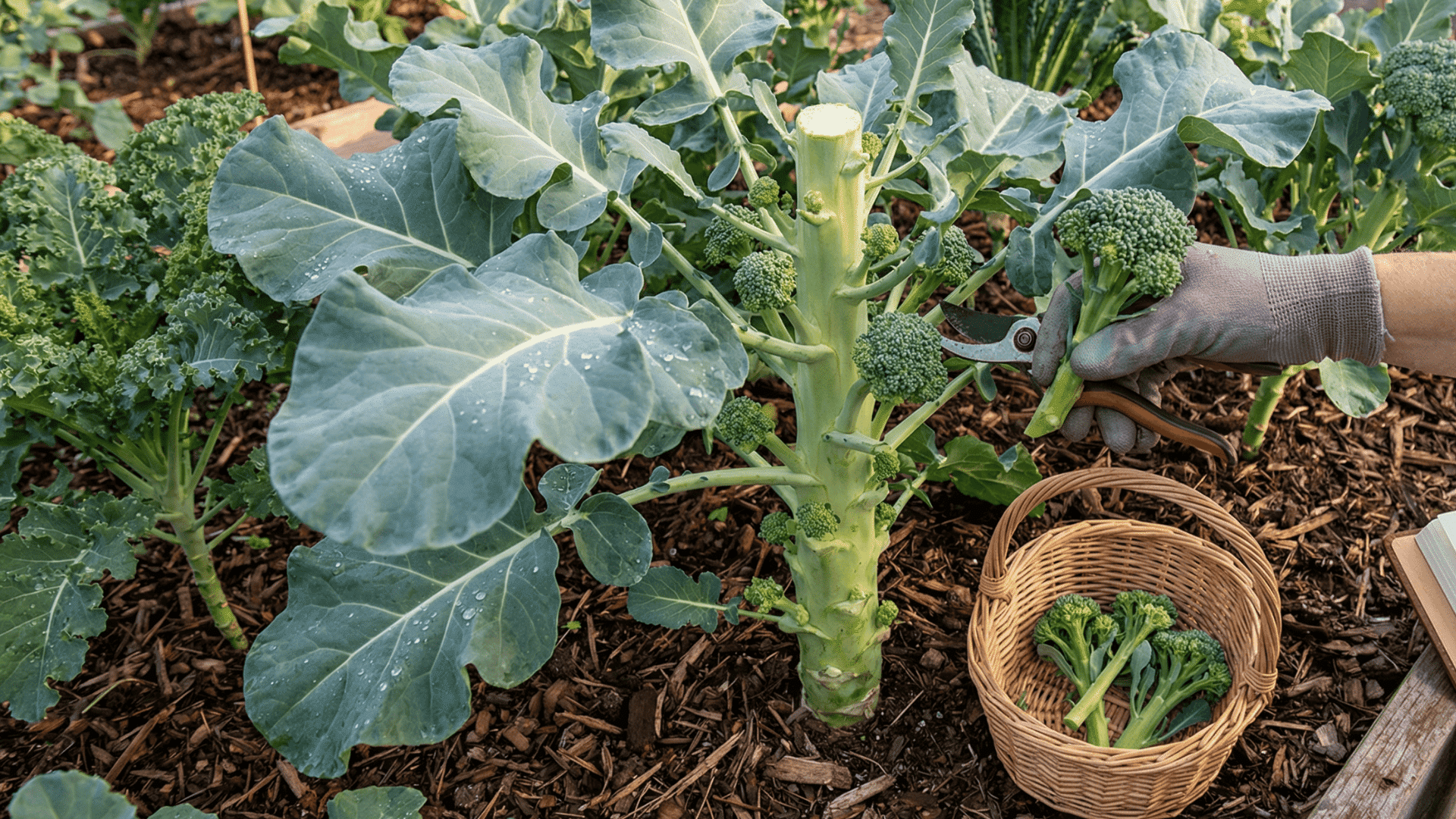
After cutting the main head, your broccoli plant redirects energy into producing side shoots from leaf nodes along the stem. These smaller heads form within 1-2 weeks and are ready at 1-3 inches with tight buds.
You can harvest side shoots every few days as they mature, and most plants keep producing for 4 to 8 weeks after the initial harvest, especially in cool weather.
Check plants regularly since side shoots develop quickly.
Fall-planted broccoli often produces more abundant side shoots than spring crops because cooler temperatures keep plants from bolting. This extended harvest makes growing broccoli incredibly worthwhile.
Growing Broccoli for Better Harvest Results
How you grow broccoli throughout the season directly impacts when and how well you can harvest. These practices set you up for bigger heads and better timing.
- Space plants 18 to 24 inches apart in full sun (6+ hours daily) so heads develop evenly without competing for light or nutrients
- Water consistently with 1 to 2 inches per week, keeping soil evenly moist, since irregular watering causes uneven head development or premature bolting
- Apply nitrogen-rich fertilizer every 3 to 4 weeks during growth, then switch to balanced fertilizer once heads start forming to support tight bud development
- Watch for cabbage worms and aphids weekly, as heavy infestations stunt head growth and delay harvest by weeks if left unchecked
- Prevent clubroot and black rot by rotating crops yearly and avoiding overhead watering, since diseased plants rarely form harvestable heads
Healthy plants not only produce better heads but also give you clearer visual signals when they’re ready. Strong growing conditions make harvest timing decisions much easier to read.
What Happens If You Harvest Broccoli Too Late?
When broccoli heads sit too long, buds open into yellow flowers, and the texture turns woody and fibrous.
The flavor becomes bitter and unpleasant as the plant shifts energy toward seed production rather than tender growth.
Once bolting starts, stalks elongate rapidly, and heads are no longer worth eating fresh, though you can still cook them into soups where texture matters less.
If flowers have fully opened and gone to seed, compost the plant entirely since nothing edible remains.
Catching broccoli even a few days late makes a noticeable difference, turning what could’ve been a delicious harvest into something you’ll struggle to use.
After Harvest Care
Once you’ve harvested your broccoli, proper storage keeps it fresh and flavorful for as long as possible.
Here’s how to handle your harvest based on when you plan to use it.
| Storage Method | How to Do It | Shelf Life |
|---|---|---|
| Short-term refrigeration | Rinse, pat dry, store in perforated bag in crisper | 5 to 7 days |
| Wrapped storage | Wrap in damp paper towel, keep in open container | 7 to 10 days |
| Blanching and freezing | Blanch 3 minutes, ice bath, drain, freeze in bags | 10 to 12 months |
| Raw freezing | Flash freeze then bag, texture suffers without blanching | 3 to 4 months |
Broccoli loses sweetness and develops a stronger smell the longer it sits, so use it within a week for the best flavor. Freezing after blanching locks in that just-harvested taste remarkably well.
Common Broccoli Harvesting Mistakes
Even experienced gardeners make harvesting errors that cost them flavor or future yields. Avoiding these common mistakes ensures you get the most from every plant.
- Waiting for heads to reach maximum size often backfires as buds loosen and open into flowers, turning the harvest bitter before it gets impressively large.
- Ignoring sudden temperature spikes causes you to miss the narrow harvest window, since a few hot days can push tight heads into bolting almost overnight.
- Cutting too close to the base removes potential side shoot nodes and leaves, eliminating your chance at weeks of continued harvests from the same plant.
- Pulling the entire plant after the main head wastes the productive life left in it, since healthy plants produce side shoots for another month or more.
Learning from these mistakes means better harvests now and in future seasons. Small adjustments in timing and technique make a surprisingly big difference in what you actually get to eat.
The Bottom Line
Figuring out when to harvest broccoli gets easier each season as you learn what your plants are telling you.
That perfect moment when heads are tight, green, and just the right size becomes second nature once you’ve done it a few times.
Spring or fall crops both follow the same visual cues, so paying attention to size, color, and bud tightness ensures you’ll cut at peak flavor every time. And don’t forget those side shoots that keep giving for weeks afterward.
Have questions about your broccoli harvest or tips to share from your own garden? Drop a comment below and let’s keep the conversation growing.