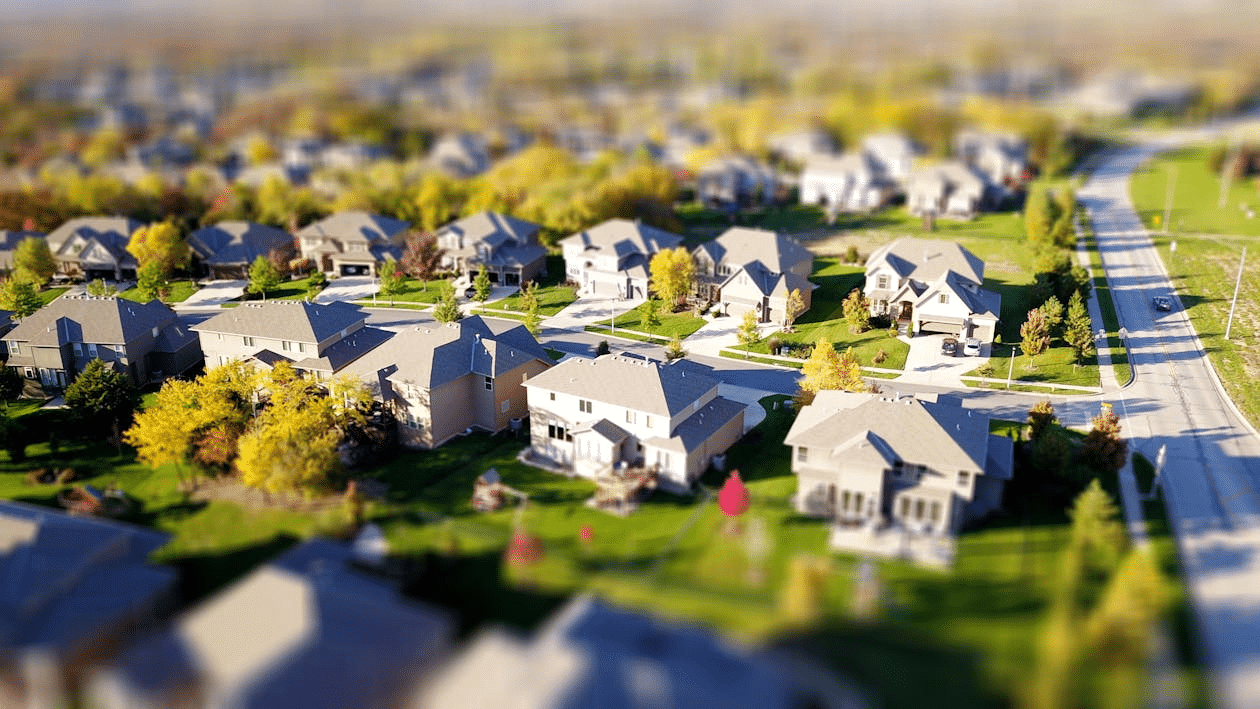
Housing decisions today carry a longer time horizon than they once did. Buyers are paying close attention to how a place will function beyond the first few years, looking closely at planning logic, spatial organization, and the ability of a neighborhood to support daily life as routines evolve. Interest increasingly centers on how communities are built, how homes are arranged within them, and whether the overall environment feels capable of holding up over time.
Brookshire, Texas, offers a clear lens into this pattern. The area sits within reach of expanding regional activity while maintaining the space required for intentional development. Buyers drawn to places like Brookshire often value clarity in planning, access to surrounding corridors, and the sense that growth has been considered carefully rather than added reactively.
Planned Communities
One of the most noticeable patterns in current real estate behavior is the attention given to communities that feel deliberate from the outset. Buyers tend to respond to neighborhoods where layout, street flow, and shared spaces follow a visible plan rather than appearing pieced together over time. Planning communicates stability, offering confidence that the environment will remain coherent as development progresses.
Within this context, La Segarra serves as a relevant example. As a master-planned community, it presents a clearly defined vision early in its development, shaping how homes, streets, and communal areas connect. The emphasis on structure and continuity appeals to buyers who want a neighborhood with an established identity rather than one still forming its foundation.
Flexible Living
Interest in flexible home layouts continues to shape where people choose to live. Daily routines vary widely across households, and interior spaces now need to accommodate work, rest, and shared activities without rigid boundaries. Buyers often examine how rooms connect, how easily spaces can change purpose, and whether the layout supports varied use across time.
Flexibility supports longevity. Homes designed with adaptability in mind allow residents to remain in place as circumstances evolve. This quality reduces friction between lifestyle changes and living space, which helps explain why adaptable layouts draw sustained interest.
Open Space Focus
Buyers increasingly notice whether outdoor areas feel intentional or incidental. Parks, pathways, and green areas that connect naturally to surrounding homes influence how people move through the neighborhood and how often shared spaces become part of daily routines.
Thoughtful placement of open space shapes the rhythm of a community. Paths guide movement, gathering areas support interaction, and visual openness contributes to a sense of ease. When open space is integrated into the broader layout, it supports both individual comfort and collective use without requiring constant programming or oversight.
Location Balance
Location remains a central consideration, particularly in areas that provide space while maintaining access to regional activity. Buyers often look for environments that feel settled without being isolated, allowing daily life to function smoothly alongside work and travel needs. Proximity to major corridors, services, and employment areas influences long-term appeal.
Some areas meet this preference by offering room to live comfortably while staying connected to surrounding growth. The appeal lies in accessibility paired with planning clarity.
Lifestyle Alignment
Housing choices increasingly align with how people organize their time and priorities. Schedules vary, household structures differ, and expectations around space continue to diversify. Buyers tend to favor communities that accommodate this range without forcing uniformity.
Residential options that support varied routines allow people to settle without feeling constrained by design. Layout flexibility, thoughtful planning, and shared amenities contribute to an environment where daily life flows naturally.
Market Access
Future Readiness
Preference for developments that anticipate future needs shows up clearly in buyer behavior. Planning that considers infrastructure capacity, spatial flexibility, and long-term maintenance supports confidence in a community’s durability. Buyers often assess whether a neighborhood appears prepared to handle growth, aging infrastructure, and evolving household demands without major disruption.
Future-ready planning contributes to predictability. Roads, utilities, and shared spaces designed with foresight tend to remain functional as population and usage patterns evolve. This reliability supports decision-making for buyers who view housing as a long-term commitment rather than a temporary solution.
Family Appeal
Interest in family-oriented communities remains closely tied to layout and design rather than specific amenities. Street configuration, proximity between homes and shared areas, and ease of movement throughout the neighborhood all shape how families experience daily life. Environments that support routine, familiarity, and informal interaction tend to resonate across different household types.
Communities designed with family life in mind often support multiple stages of living. Children, adults, and older residents all benefit from layouts that promote accessibility and comfort. This broad usability allows families to remain within the same neighborhood across changing circumstances, strengthening social continuity and neighborhood identity over time.
Real estate trends offer insight into how people think about place, time, and continuity. Decisions around where to live increasingly center on planning quality, adaptability, and long-term usability. Communities that offer structure, thoughtful design, and access to surrounding opportunity continue to attract sustained interest.