It’s annoying when you want to enjoy time outside, but mosquitoes won’t leave you alone. I used to think sprays were the only fix. Then I learned about plants that repel mosquitoes.
Some common plants in your yard or on your windowsill can actually help keep mosquitoes away, no weird chemicals, no hassle.
These plants don’t just look nice, they pull double duty by helping make your space more comfortable.
If you’re tired of swatting bugs all evening, you’re in the right place. You’ll find out which plants work, how to grow them, and where to place them for the best results.
You’ll also get some smart tips that make it easy to start, even if you don’t know much about plants yet.
Ready? Let’s talk plants.
What to Know Before Using Mosquito-Repelling Plants
Before planting anything, it helps to understand how mosquitoes work.
They don’t just go after sweet smells, they track the carbon dioxide you breathe out, your body heat, and even the natural bacteria on your skin. That’s why some people get bit more than others.
Mosquito-repelling plants give off scents like citronella or peppermint, which can help.
But the scent has to be fresh and in the air around you. Just having the plant nearby isn’t enough unless the leaves are crushed or the wind moves the scent around.
These plants are not a full fix. They work best as part of a bigger plan, along with removing standing water and using screens or fans.
Where you place your plants matters more than how many you have.
Keep them near doorways, patios, and sitting areas. Let the wind carry the scent. That’s how you’ll actually see results.
How Plants That Repel Mosquitoes Actually Work
Plants that repel mosquitoes don’t chase bugs away by magic.
What they really do is give off strong smells, especially through natural oils in their leaves. These oils confuse or bother mosquitoes, making it harder for them to find you.
But here’s the catch: most of these scents don’t spread far.
The oils stay mostly inside the plant unless something helps release them.
That’s why most plants only work at close range, within a few feet. Sitting right next to a pot of lemongrass might help, but planting it across the yard won’t do much.
When you rub or crush the leaves, the oils come out fast and strong.
That’s when the smell becomes powerful enough to bother mosquitoes. Just brushing past the plant can help release more of that scent.
Plants that stay still in the ground without movement or touch often don’t do much. The scent just sits there.
Best Plants That Repel Mosquitoes for Outdoor Spaces
Outdoor spaces are the best places to use mosquito-repelling plants because fresh air helps carry the scent. Wind and movement help spread the natural oils that bother mosquitoes.
Indoors, scents stay trapped or too weak. But outside, on patios, balconies, porches, or in the yard, plants have the space and airflow they need to actually do their job. Just keep them close to where you sit or walk for the best effect.
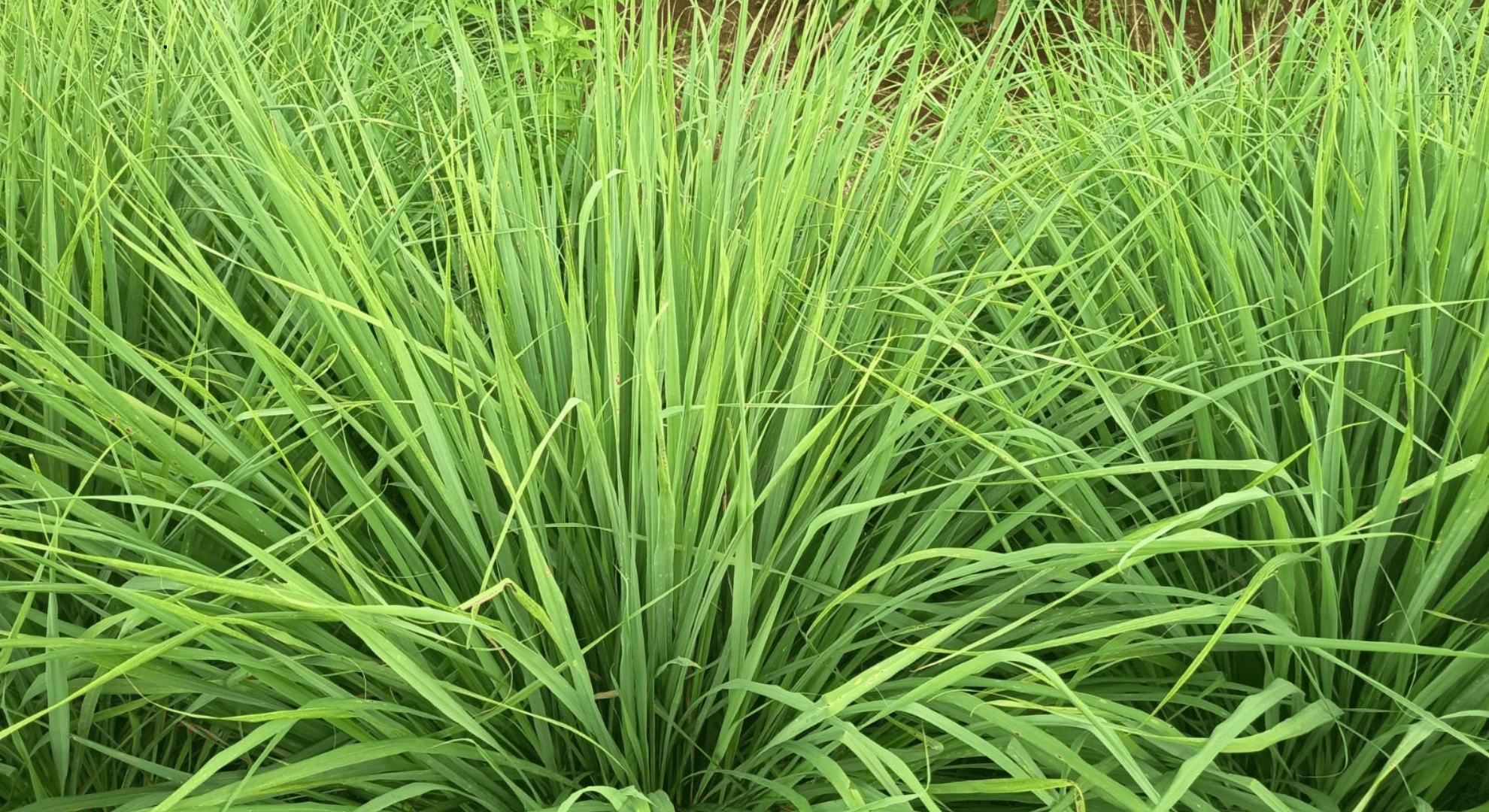
Citronella Grass (Lemongrass)
What it does well:
This is one of the most popular plants for repelling mosquitoes. It has a strong lemon-like smell that mosquitoes try to avoid. It’s especially helpful when you crush a few blades of grass now and then.
Best pot size and placement:
Use a pot that’s at least 12 inches deep and wide. Place it near seating areas, especially where the wind can help carry the scent.
Common mistakes:
Don’t plant it too far from people. Also, don’t skip pruning—overgrown citronella doesn’t smell as strong unless leaves are moved or broken.
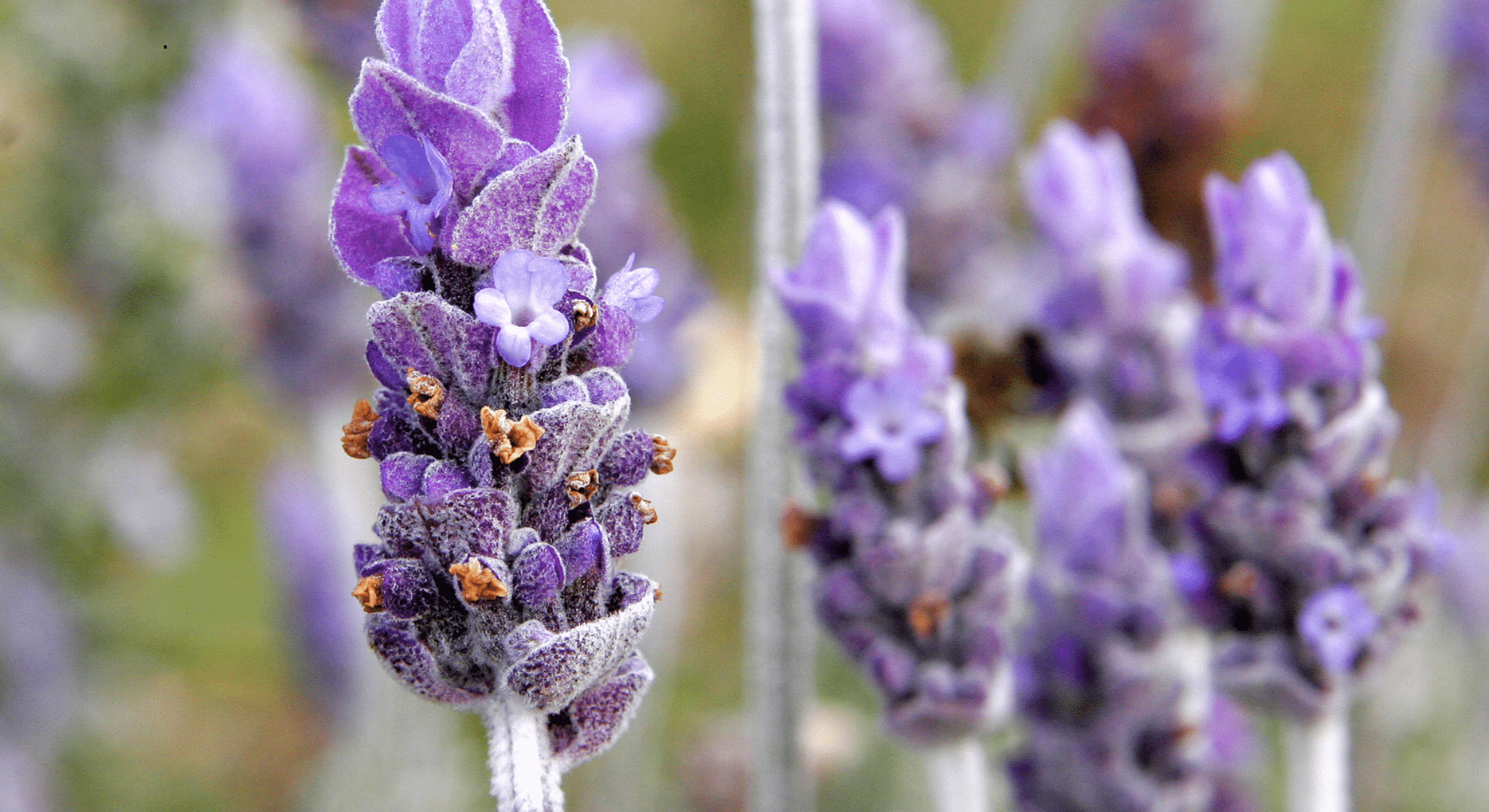
Lavender
Where it works best:
Lavender does great in sunny spots like patios, front porches, or balcony railings. It likes heat and needs good drainage.
How close it needs to be:
Keep it within 2–3 feet of where you sit or stand. Its scent is gentle and doesn’t travel far unless the breeze is right.
Marigolds
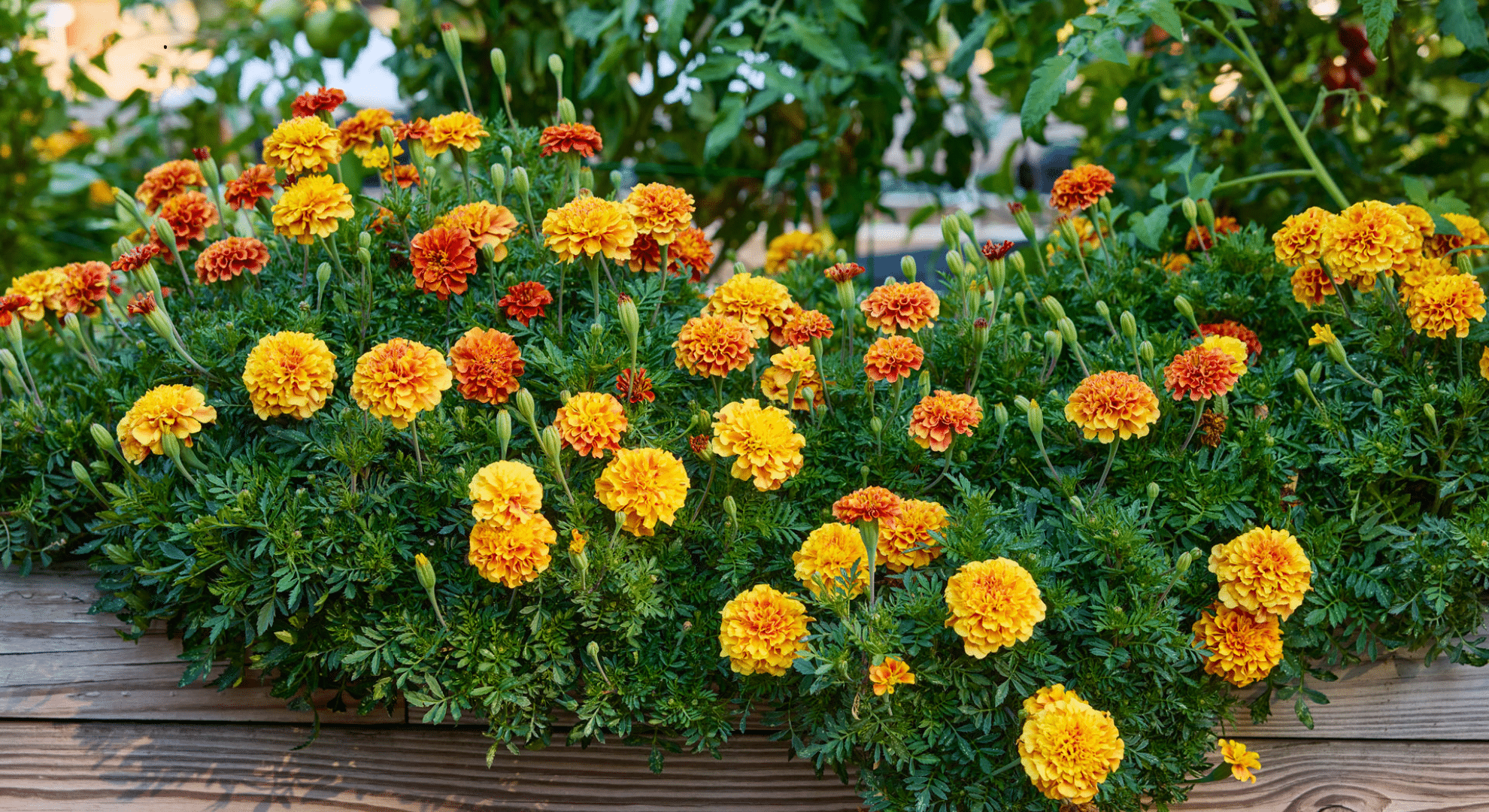
Why they’re helpful near seating:
Marigolds contain a compound that mosquitoes don’t like. They’re also easy to grow and give your space color while helping with bugs.
Why they won’t protect an entire yard:
The scent is light and doesn’t travel far. If the marigolds are planted on the edge of your yard, you won’t feel much difference near your chair or table.
Basil
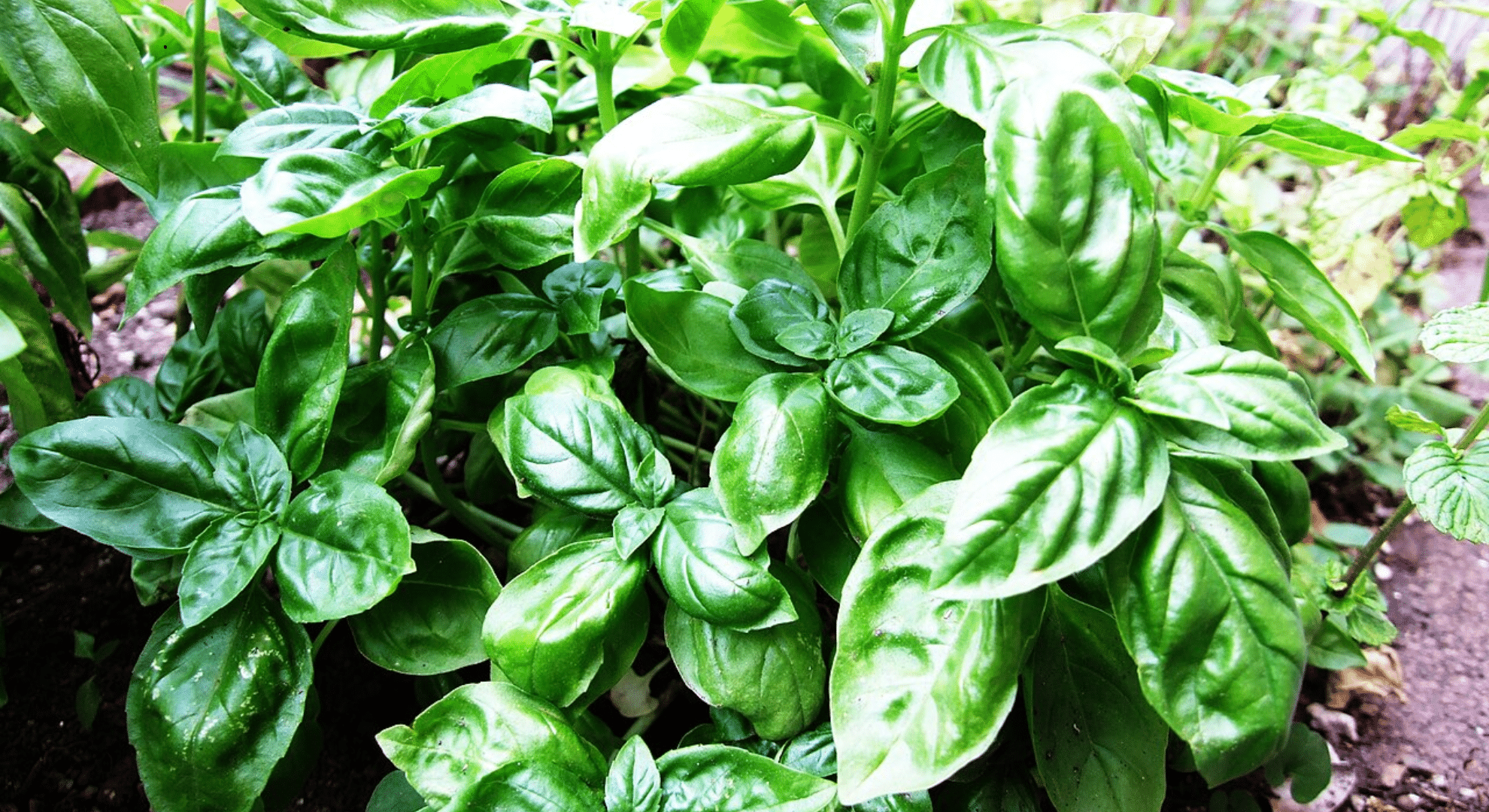
How crushing leaves helps:
Basil smells nice, but the real power comes out when you pinch or crush the leaves. That releases oils that are strong enough to help.
Best use near tables and doors:
Put pots of basil on outdoor tables, window ledges, or next to doors. You can even keep small pots on outdoor dining tables for both food and bug defense.
Mint
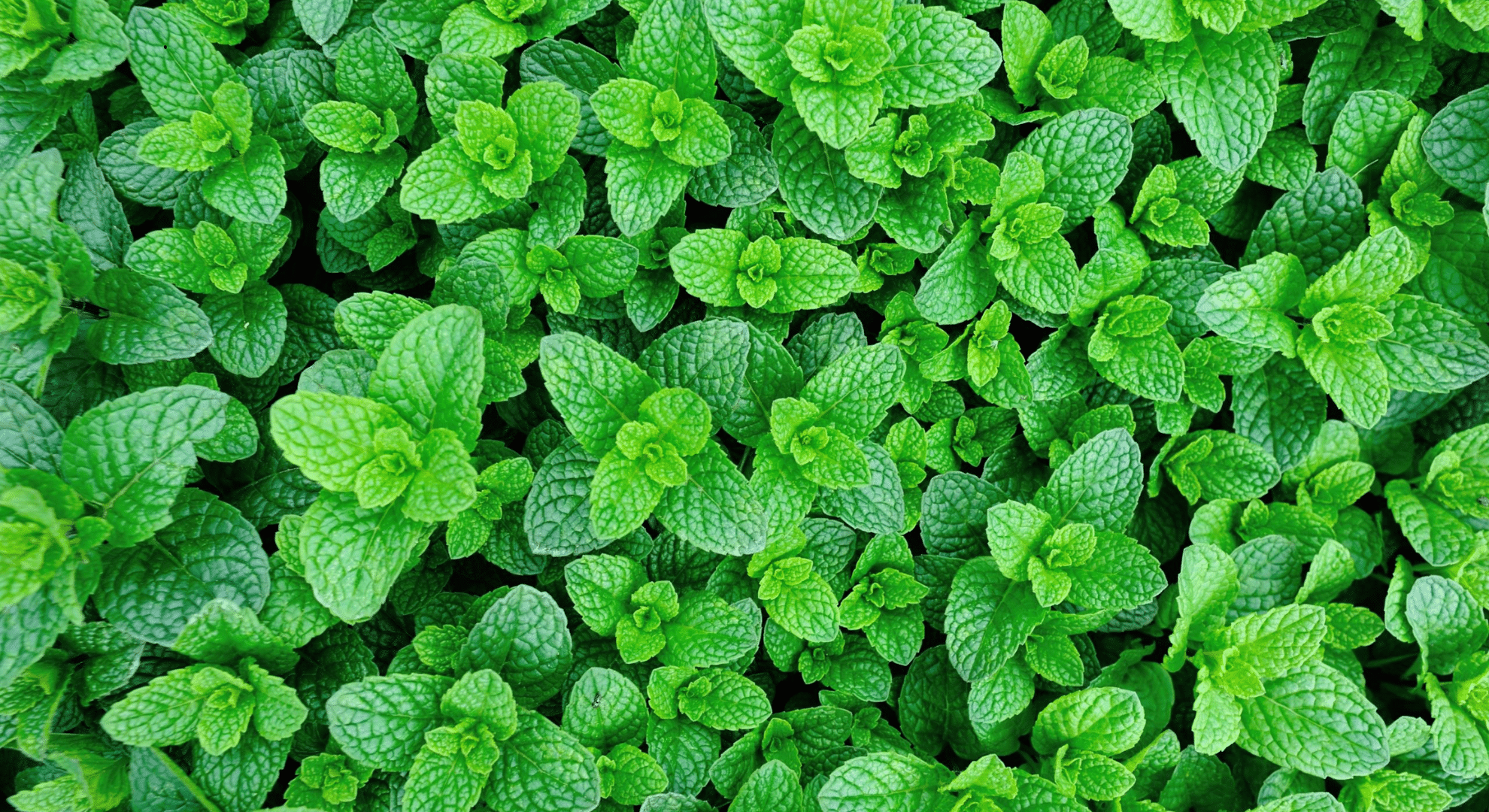
Container warnings:
Mint spreads fast and can take over garden beds. Always plant it in containers unless you want it everywhere.
Scent strength and spread:
When crushed or brushed, mint gives off a strong, sharp scent. The smell doesn’t travel far on its own, so place it close to your sitting area or doorway.
Rosemary
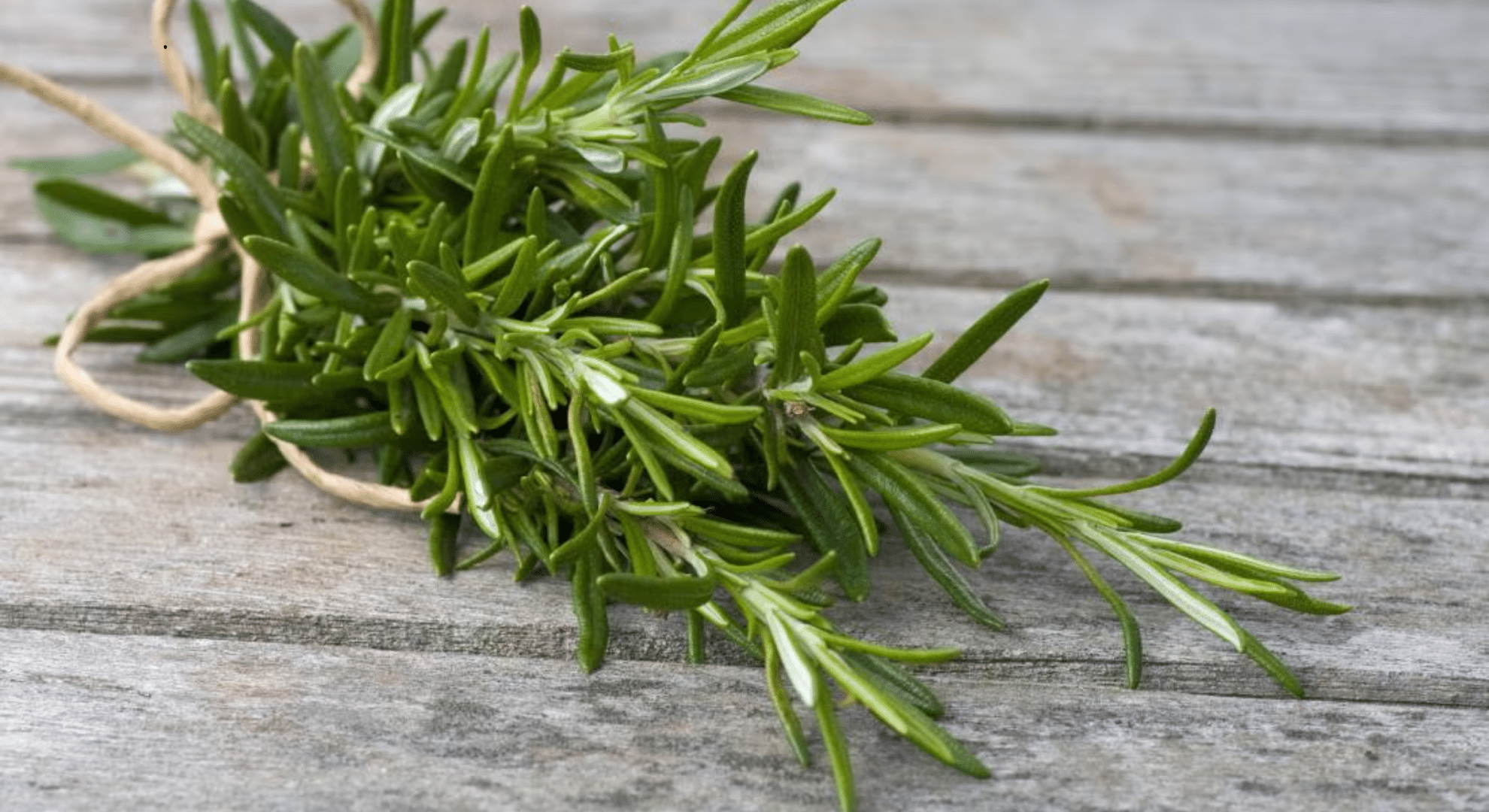
Ideal placement near grills and patios:
Mosquitoes hate the strong pine-like scent of rosemary. It’s perfect near barbecue areas. The bonus? You can also use it in your cooking.
Set it on the grill station, a patio corner, or near steps. The heat from the grill helps release more of the plant’s natural oils into the air.
Catnip
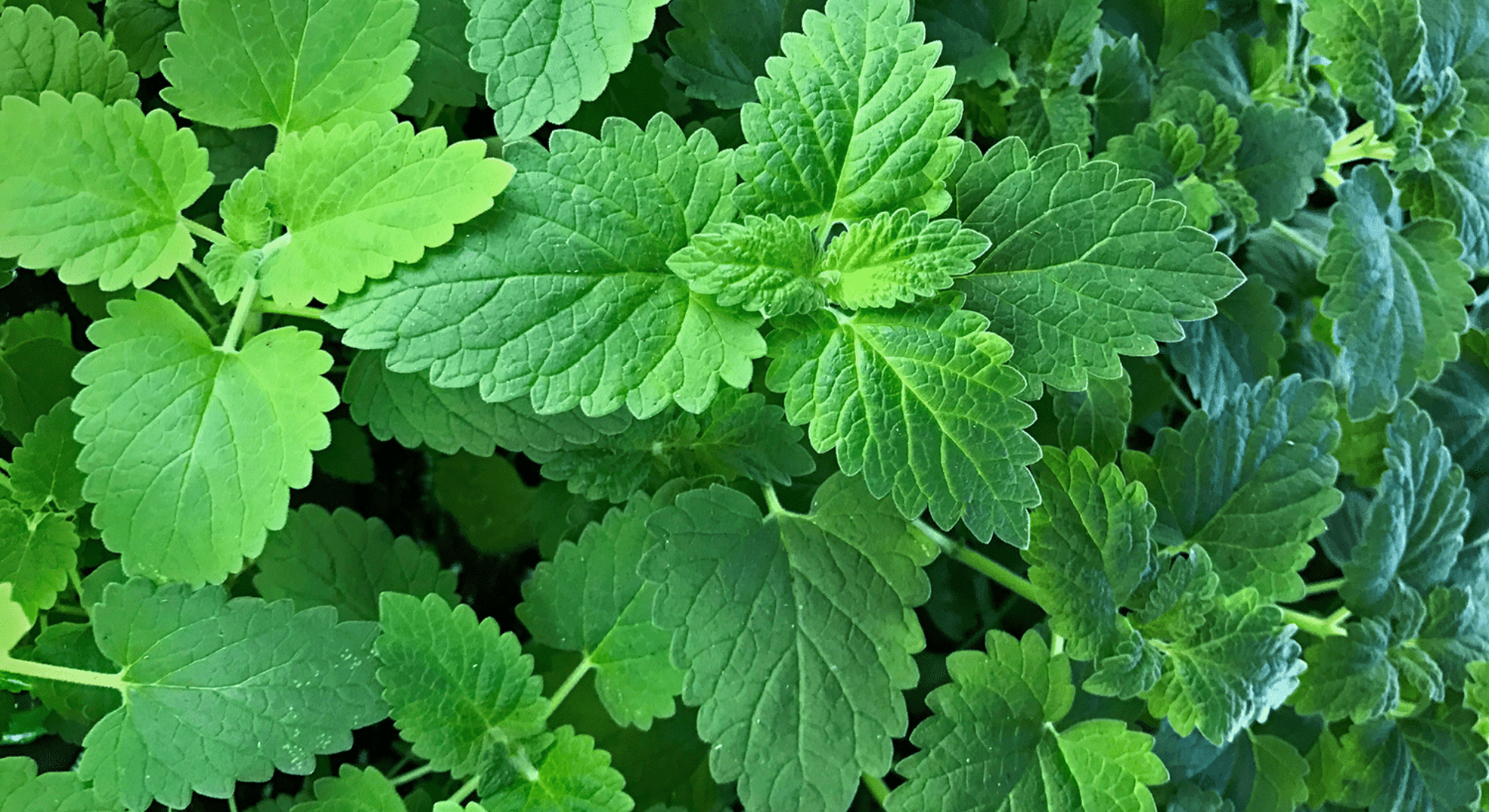
Why it’s strong:
Catnip has a natural oil called nepetalactone, which repels mosquitoes even better than some sprays. It smells minty but also earthy.
Where it works best and where it doesn’t:
Catnip grows well in full sun near patios or along paths. It does not work well in high-traffic spots indoors or where cats may knock it over. If you have cats, be ready, they love it.
These plants won’t replace all your bug protection, but placing them smartly in outdoor spaces can really help reduce bites. Use a few together, keep them near where you sit, and remember, crushing a leaf or two goes a long way.
Using Mosquito-Repelling Plants in Small or Enclosed Areas
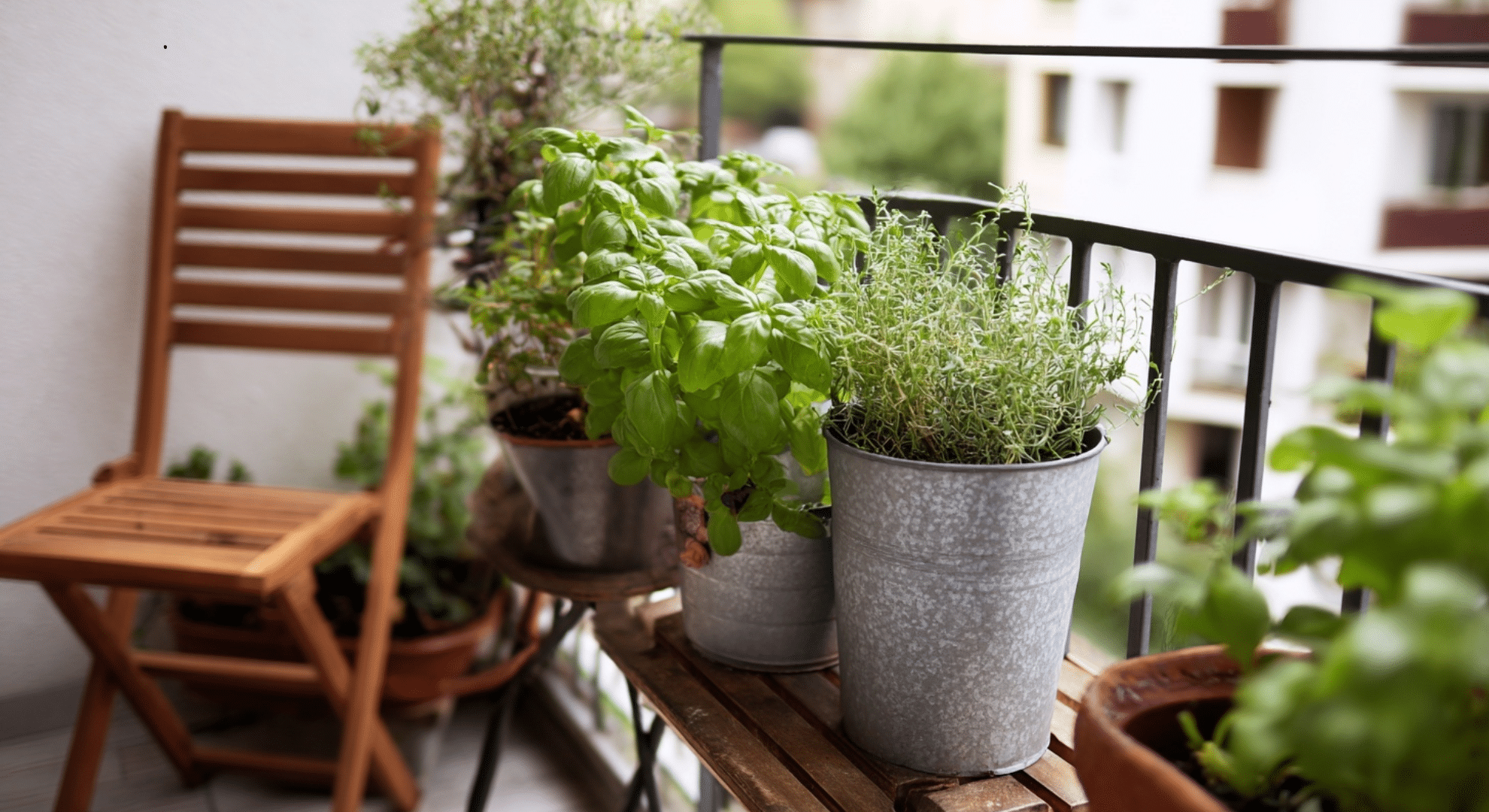
Small spaces like balconies, apartment patios, decks, and entryways can still benefit from mosquito-repelling plants, you just need to be smart about how you use them. In tight areas, the scent has a better chance of staying close to you.
But space is limited, so placement and plant choice matter even more.
Balconies
Balconies usually have good airflow, but limited floor space. You don’t need many plants; 2 to 3 small pots with strong scents like mint or lavender can help a lot.
- Group plants together in the corners or along the railing to help the scents mix and spread.
- Use raised pots or hanging planters so the scent sits closer to where you breathe.
- Choose plants that like full sun if your balcony gets a lot of light.
Decks
Decks often have open space, which is great for airflow but can also mean scent spreads too thin.
- Use 4 to 5 plants, placing them near where people gather around tables, chairs, and stairs.
- Don’t scatter them too far apart. Grouping them boosts scent strength.
- Add one taller pot (like rosemary or citronella) and mix in lower ones like basil or mint to create layers of scent.
Apartment Patios
Apartment patios may be shaded or blocked by walls, which can trap heat and hold in scent—a good thing in this case.
- 2 to 3 medium-sized pots near the seating area are usually enough.
- Choose plants like lavender, basil, or marigolds, which do well in pots and offer steady scent.
- Put pots at different heights using stands or shelves to improve airflow and scent spread.
Entryways
Placing mosquito-repelling plants by your front or back door can help keep bugs from following you inside.
- Use 1 or 2 small pots of basil, mint, or rosemary right near the door.
- Make sure they’re off the ground, use a raised stand or ledge.
- Crush a leaf or two when coming or going to refresh the smell.
Key Tips for Small Spaces
- Group plants instead of spacing them out. It boosts scent strength.
- Use different pot heights to help scent reach higher and move with airflow.
- Don’t overplant. A few well-placed pots work better than crowding the space.
- Crush or brush leaves once in a while to keep the scent strong.
Even in small or boxed-in spots, mosquito-repelling plants can help when placed with purpose. A little goes a long way if you put it in the right place.
Do Mosquito-Repelling Plants Work Indoors?
The honest answer is: not very well. Indoors, mosquito-repelling plants have limited impact because there’s very little airflow. The natural oils that help repel mosquitoes stay trapped in the leaves instead of moving through the room.
Without wind or movement, the scent is often too weak to matter.
That said, some plants can still help a little. Basil, mint, rosemary, and lavender are the best indoor options.
They release stronger smells than most plants, especially when you gently rub or crush a leaf.
Placement matters a lot. Keep plants near windows, doors, or entry points, where mosquitoes are more likely to come in. A plant in the middle of the room won’t do much.
Indoor plants are not worth the effort if mosquitoes are already inside in large numbers. In that case, screens, fans, and sealing gaps work much better.
How Many Mosquito-Repelling Plants Do You Actually Need?
One plant alone won’t keep mosquitoes away. That’s a common mistake.
These plants only work at close range, which usually means within 2 to 3 feet. If you’re sitting on the porch and the plant is across the yard, it won’t help at all.
The key is to keep plants near people, not just around the edges.
For a small patio or balcony, 2 to 4 plants placed around seating can make a difference. In a medium yard, aim for 6 to 8 plants spread around tables, doors, and walkways.
More important than the number is how you place them.
Group a few pots near spots where people sit or gather. Crush a few leaves now and then to release more scent.
Think of these plants as part of a barrier, not a full fix. A handful of smartly placed plants works better than a dozen in the wrong spot.
Common Mistakes That Make Mosquito-Repelling Plants Useless
These plants can help, but only if used the right way. Many people don’t get results because of simple mistakes that are easy to avoid. Here are the most common ones:
- Planting them too far from where people sit or walk
- Relying on one plant to do all the work
- Ignoring how airflow moves scent through the space
- Forgetting to check for standing water, which attracts mosquitoes
- Expecting plants to work like bug spray
- Not crushing or brushing leaves to release scent
- Choosing the wrong type of plant for the space
- Letting plants dry out or die in poor spots
Fixing these makes a big difference. Mosquito-repelling plants only work when they’re alive, placed right, and part of a bigger plan.
Keep them close, keep them healthy, and don’t forget to use other bug-fighting habits too.
Combining Plants With Other Natural Mosquito Control Methods
Using mosquito-repelling plants works better when they’re part of a simple system. On their own, they won’t stop bites, but with a few other steps, they make a real difference.
Mosquitoes struggle to fly in moving air. A small fan near your seating area not only pushes them away but also spreads the plant’s scent more effectively.
Even tiny puddles can hold mosquito eggs. Empty trays, buckets, or anything that collects rain.
This stops new mosquitoes from growing near your space.
Mosquitoes are attracted to light after dark. Use soft yellow bug lights or keep lights off when you’re not outside. This keeps bugs from gathering.
Keep chairs close to plant groupings, within 2–3 feet. This is the only range where the scent really helps.
Plants work best as one part of your bug-control plan. When you pair them with fans, clean spaces, and smart lighting, you’ll see better results with less effort.
Are Mosquito-Repelling Plants Safe for Pets?
Some mosquito-repelling plants are safe around pets, but not all.
If you have dogs, basil, rosemary, and lemongrass are generally safe choices. They can be placed near doors or patios without much worry.
Cats are more sensitive. Plants like lavender, citronella, and mint can cause stomach problems or make cats sick if they chew the leaves.
While cats may ignore them, it’s better to be careful, especially indoors.
Avoid placing strong-smelling plants inside the house where pets sleep or eat. Citronella and mint are best used outdoors only if you have curious pets.
For pet homes, place plants in hanging pots, shelves, or raised containers to keep them out of reach.
Keep an eye out for chewing. If your pet is known to nibble on greenery, choose the safest options and skip anything that could cause harm. Always check plant safety with your vet when unsure.
Conclusion
Using plants that repel mosquitoes has made my time outside way more comfortable.
I didn’t need fancy tools, just smart placement, the right types of plants, and a few simple habits. It’s not about doing everything perfectly. It’s about making small changes that add up.
Now you know what works, what doesn’t, and how to get the most out of each plant.
Think about your space, where you sit, where the wind moves, where water collects. That’s where these plants will help you the most.
One thing to keep in mind: plants do better when they’re part of a simple system, not your only line of defense.
Want more ideas that are easy, natural, and useful? Check out my other blogs for tips you can use right away!