There’s something deeply satisfying about turning one snake plant into many, watching new roots emerge, seeing baby plants take shape, and knowing you’ve mastered one of nature’s most forgiving processes.
Snake plants practically want to multiply, making them the perfect starting point for anyone new to plant parenthood or building an indoor jungle.
Their sculptural leaves and near-indestructible nature have made them beloved in plant communities everywhere, and propagating them is surprisingly simple.
Ready to learn exactly how to multiply your Sansevieria collection? Let’s walk through everything you need to know, from choosing your method to celebrating those first tiny roots.
Can You Propagate a Snake Plant?
Absolutely, snake plants are among the easiest houseplants to propagate, though they do require a bit more patience than pothos or philodendrons.
Most varieties root successfully with minimal effort, but expect timelines of several weeks to months rather than days.
Standard green varieties like Sansevieria trifasciata propagate beautifully through leaf cuttings, water, or division. Variegated types with yellow edges can be trickier, as leaf cuttings often lose their striping and revert to solid green.
The slowest part? Root development happens at a leisurely pace, so don’t worry if you don’t see action immediately.
Success rates are high once you understand the waiting game.
Best Time to Propagate Snake Plant
Snake plants follow natural growth rhythms, and timing your propagation right can make a noticeable difference in how quickly you see results.
Here’s when to propagate for the best success:
| Factor | Best Choice | Why It Matters |
|---|---|---|
| Season | Spring to early summer | An active growing season means faster root development and new growth |
| Winter propagation | Possible but slower | Dormancy slows everything down; expect double the waiting time or more |
| Temperature | 65-80°F (18-27°C) | Warmth encourages root formation; below 60°F can stall progress completely |
| Light conditions | Bright, indirect light | Supports energy production without scorching vulnerable new cuttings |
| Backup plan | Fall (September-October) | Still workable if you give cuttings a heat mat and supplemental light |
Propagating Snake Plant: Tools & Supplies You’ll Need
Getting your setup right from the start makes propagation smoother and helps avoid those frustrating failed attempts.
Here’s everything you’ll want to gather before you begin:
- Sharp, sterilized scissors or knife – Wipe with rubbing alcohol before cutting
- Glass jars or clear containers – For water propagation
- Small pots with drainage holes – Terracotta works especially well
- Well-draining soil mix – Cactus/succulent blend or add perlite to regular potting soil
- Rooting hormone (optional) – Can speed things up, but is not necessary
- Labels or markers – You’ll forget which is which
Snake Plant Propagation Methods
Snake plants give you three reliable ways to multiply your collection, each with its own timeline and benefits. Choose based on how patient you are and what kind of plant material you’re working with.
Method 1: Water Propagation
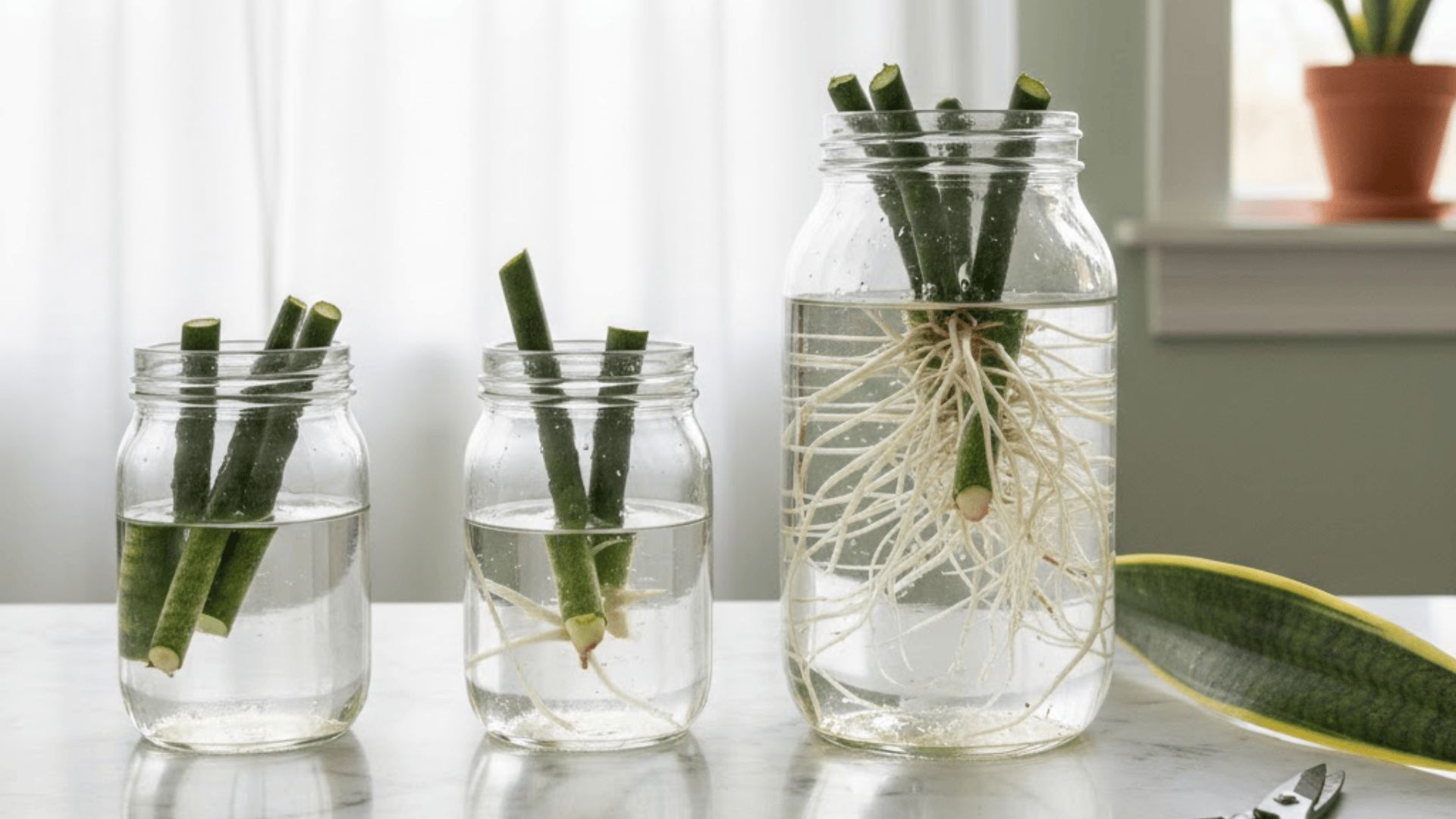
Timeline: 3-8 weeks for roots, 2-3 months for soil-ready plants
The most visually rewarding method is where you can watch every stage of root development happen right before your eyes.
Perfect for beginners who want to monitor progress and catch any issues early.
Propagation Step-by-Step:
- Step 1: Cut a healthy leaf into 3-4 inch sections, marking which end was facing down
- Step 2: Let cuttings dry for 24-48 hours until the cut ends form a callous
- Step 3: Place in a jar with 1-2 inches of water, keeping the bottom inch submerged
- Step 4: Change water weekly and wait for roots to reach 1-2 inches before transplanting
Pros: Easy to monitor, no soil mess, great for troubleshooting
Cons: Transition to soil can shock plants, higher rot risk if water isn’t changed regularly
Method 2: Leaf Cutting Propagation in Soil
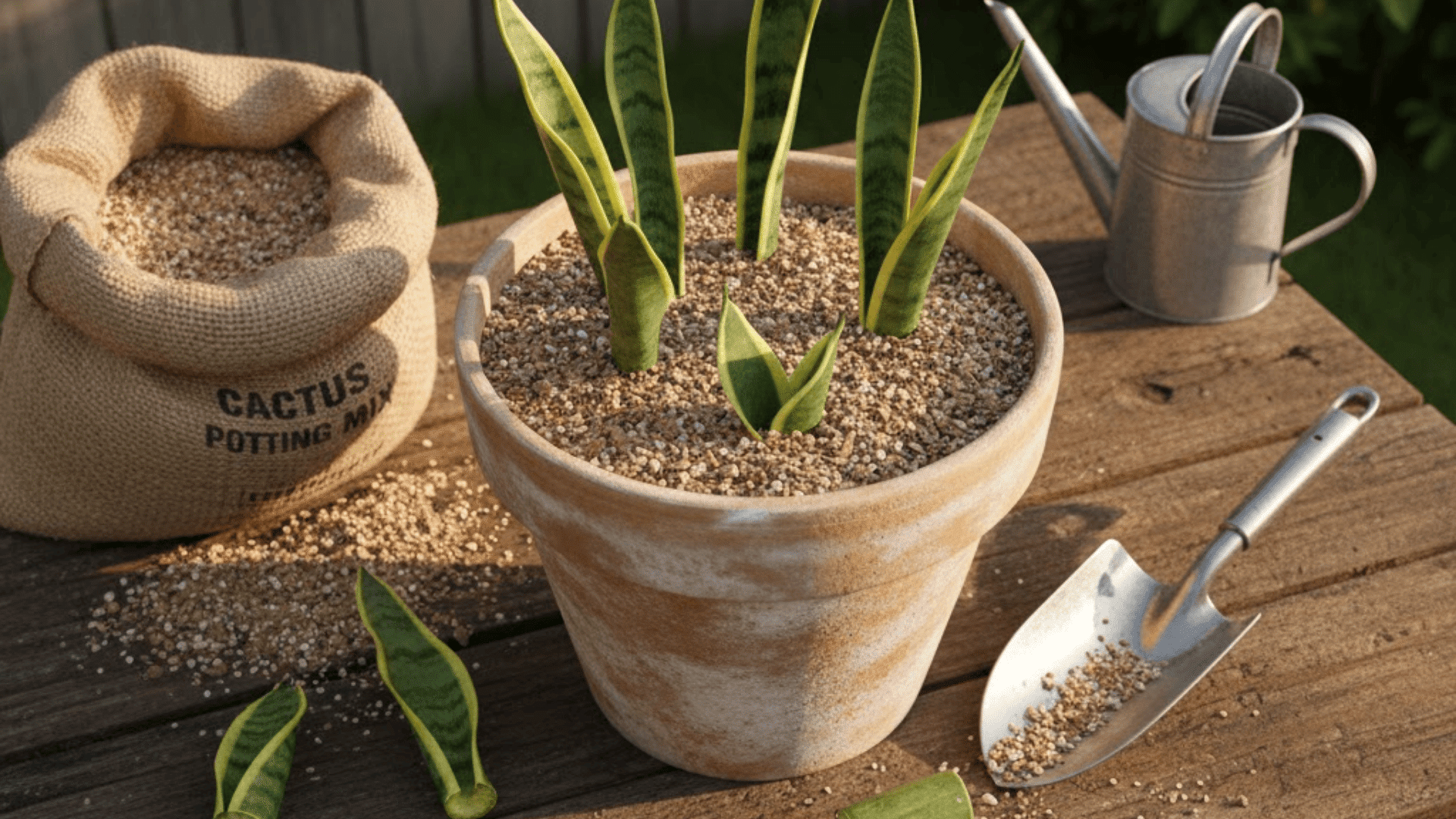
Timeline: 4-8 weeks for roots, 2-4 months for visible pups
A more hands-off approach that skips the water-to-soil transition and lets cuttings root directly where they’ll grow.
Ideal if you want to set it and mostly forget it.
Propagation Step-by-Step:
- Step 1: Cut healthy leaves into 3-4 inch sections with clean, straight cuts
- Step 2: Let cuttings callous for 2-3 days in a dry spot away from direct sun
- Step 3: Plant the cut end 1 inch deep in a well-draining cactus mix
- Step 4: Water lightly every 2-3 weeks, keeping soil barely moist until roots establish
Pros: No transition shock, mimics natural growth conditions, lower maintenance
Cons: Can’t see root progress, takes longer to show results, variegated patterns may be lost
Method 3: Propagation by Division
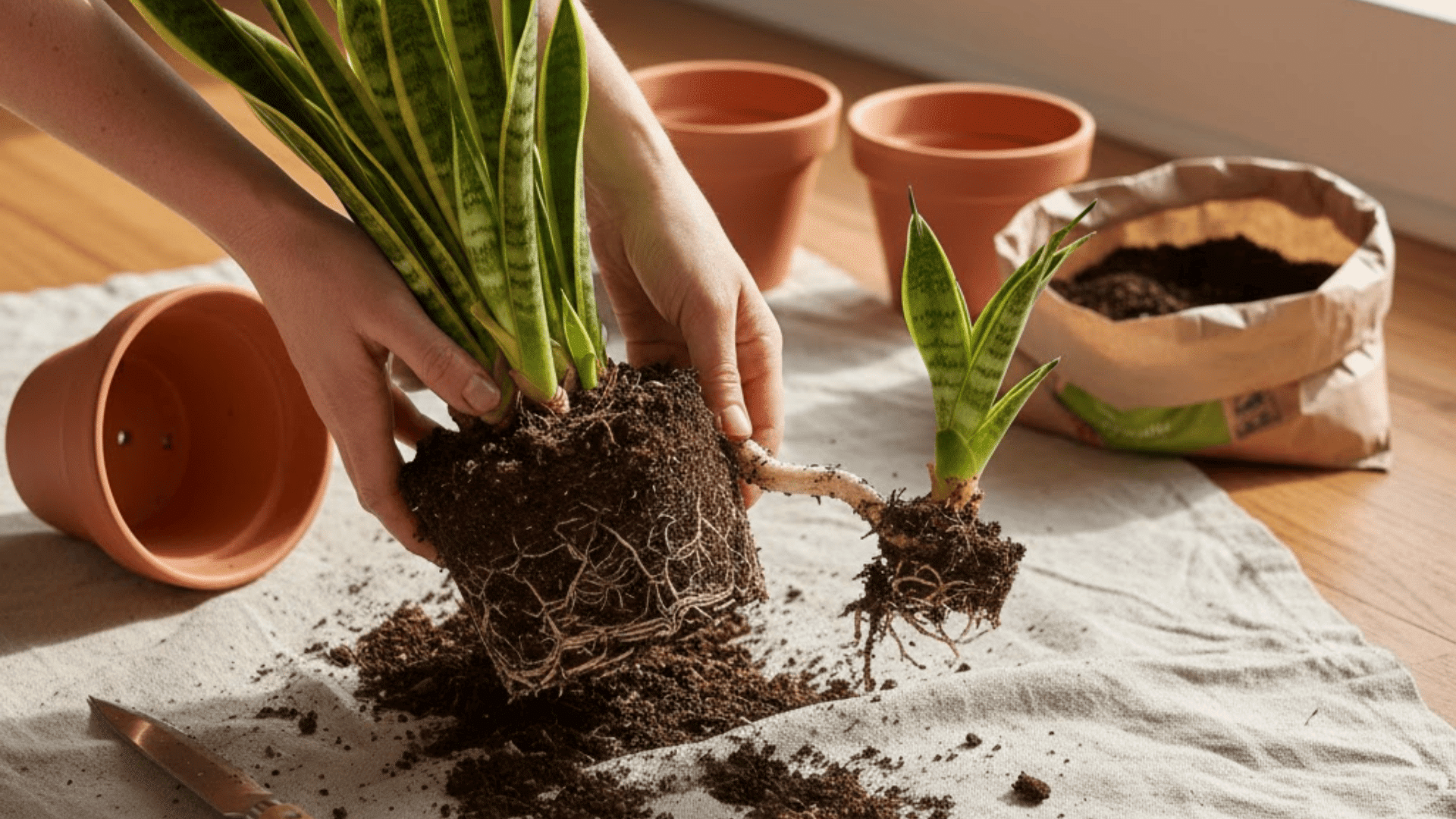
Timeline: Immediate transplant, 2-4 weeks for recovery
The fastest way to create full-sized plants is by separating existing pups from the mother plant.
This is the only method that reliably preserves variegation in striped varieties.
Propagation Step-by-Step:
- Step 1: Remove plant from pot and gently brush away soil to expose rhizomes
- Step 2: Identify natural separation points where pups have their own root systems
- Step 3: Use a clean knife to cut through rhizomes connecting the parent and the pup
- Step 4: Pot divisions immediately in fresh soil and water lightly
Pros:Keeps variegation intact, fastest method, creates mature plants instantly
Cons: Requires an established plant with offsets, can stress the parent plant temporarily
How Long Does Snake Plant Propagation Take?
Snake plant propagation is a lesson in patience. Water propagation shows roots in 3-8 weeks, while soil cuttings take 4-8 weeks underground, where you can’t see them.
The real waiting game? Those baby pups can take 2-4 months to emerge after roots form. Division is your speed demon, giving you instant plants that recover in just a few weeks.
Temperature, light, and season all affect timing, so if your cutting seems stalled, it probably is, and that’s normal. The plant community consensus?
Expect things to take longer than you think, then be pleasantly surprised.
Common Snake Plant Propagation Mistakes
Even the easiest propagation method has pitfalls that can derail your progress.
Here are the most common mistakes that trip up beginners:
- Overwatering Cuttings: Treat them like established plants; too much moisture causes rot before roots can form.
- Skipping the Callousing Step: Fresh cuts need 1-2 days to dry and seal before going into water or soil.
- Using Regular Potting Soil: Heavy mixes retain too much water; always add perlite or use cactus blend.
- Expecting Variegation from Leaf Cuttings: Only division preserves yellow stripes; leaf propagation reverts to solid green.
- Placing Cuttings in Direct Sun: Vulnerable new growth needs bright indirect light to avoid scorching.
Avoid these missteps and your success rate jumps dramatically. Most failed propagations come down to too much water or too much sun.
Why Variegated Snake Plants Lose Color?
Variegated snake plants have a sneaky secret that catches most plant parents off guard. Here’s why your yellow-striped beauties keep producing plain green offspring:
| Aspect | What Happens | Why It Matters |
|---|---|---|
| Genetic reversion | Variegation exists only in certain tissue layers | Leaf cuttings can’t replicate the stripe pattern |
| Leaf cutting results | New growth emerges solid green every time | Variegation genes aren’t passed through leaf tissue |
| Water vs. soil | Both produce green plants from leaf cuttings | The medium doesn’t affect genetics |
| Division method | Separates pups with original genetics intact | Only way to preserve yellow edges reliably |
Think of it this way: variegation is like a recipe that only exists in the plant’s root system, not in individual leaves.
Aftercare Tips for Newly Propagated Snake Plants
Your newly propagated snake plants need a gentler touch than their established counterparts.
Here’s how to care for them during those critical first months:
- Light Requirements – Bright indirect light is ideal; avoid direct sun until roots are well-established.
- Watering Schedule – Water sparingly every 2-3 weeks, only when the soil is completely dry.
- Fertilizing Timeline – Wait at least 2-3 months before feeding; new plants need time to settle, not nutrients.
- Repotting Window – Hold off for 6-12 months or until roots fill the current container.
- Temperature Consistency – Keep above 60°F and away from cold drafts or heating vents.
Treat them like the babies they are. Less intervention almost always leads to healthier, stronger plants in the long run.
Troubleshooting Snake Plant Propagation Problems
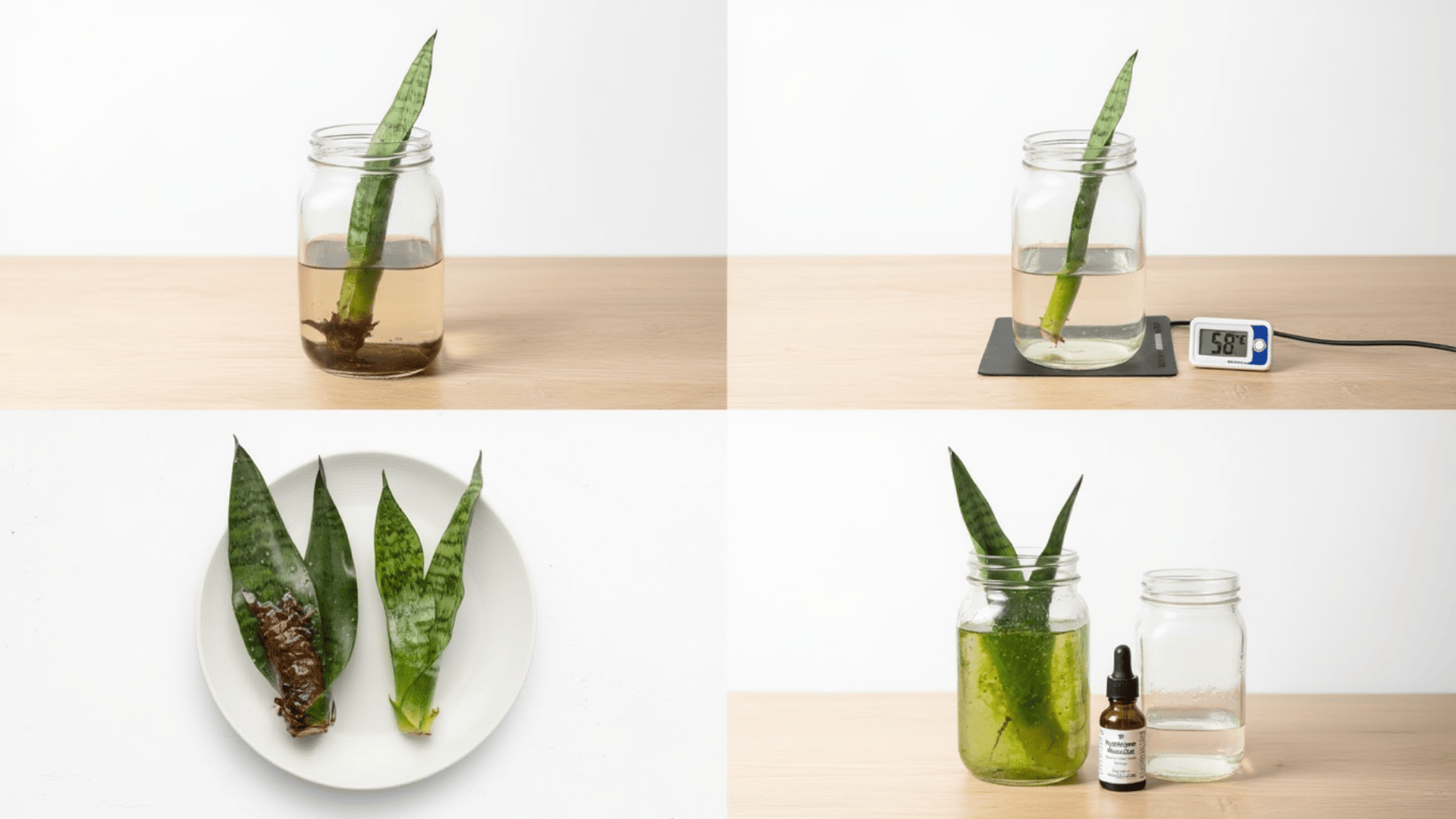
Even the most resilient plants hit snags sometimes. Here’s how to diagnose and fix the most common propagation hiccups:
Problem 1: Cuttings Rotting
The Fix: Pull the cutting immediately, trim away mushy sections, let it dry for 2-3 days, then start fresh with less water or drier soil.
Problem 2: No Roots After Weeks
The Fix: Check your temperature (needs 65°F minimum) and try adding a heat mat or moving to a warmer spot; patience is key, but warmth speeds things up.
Problem 3: Mushy or Wrinkled Leaves
The Fix: Mushy means overwatering, so reduce moisture drastically; wrinkled means underwatering, or the cutting is using stored energy, which is normal early on.
Problem 4: Mold or Algae in Water Jars
The Fix: Change water immediately, rinse the jar thoroughly, and switch to weekly water changes; a tiny bit of hydrogen peroxide helps prevent regrowth.
Indoor vs. Outdoor: Propagate Snake Plant
Location can surprisingly affect your propagation success, though snake plants are flexible enough to root almost anywhere.
Here’s what to consider for indoor versus outdoor setups:
| Factor | Indoor Propagation | Outdoor Propagation |
|---|---|---|
| Temperature control | Consistent warmth, easier to maintain 65-80°F | Subject to fluctuations; only viable in warm months |
| Humidity levels | Lower indoor humidity is actually ideal for snake plants | Higher outdoor humidity can increase rot risk |
| Light exposure | Easier to control with curtains and placement | Direct sun can scorch cuttings; needs shade protection |
| Best spots | Bright windowsills (east or west-facing) work perfectly | Covered balconies or patios with filtered light |
| Weather factors | No rain, wind, or pest concerns | Rain can overwater; wind can dry out or topple containers |
Quick Insight: Indoor propagation gives you more control, but a sheltered outdoor spot during spring can work beautifully. Just bring cuttings inside if temperatures drop below 60°F at night.
Final Thoughts
Growing your snake plant collection through propagation is one of those rewarding experiences that gets better with each attempt.
You’ve learned how to propagate snake plants using three main methods, mastered the patience game, and picked up troubleshooting tricks along the way.
Whether you choose water, soil, or division, you’re now equipped to multiply your leafy friends with confidence.
Start with one cutting, watch the roots develop, and before long, you’ll have plants to share with friends or fill every corner of your space.
Have questions or want to share your propagation wins? Drop a comment below and let’s keep the conversation growing.