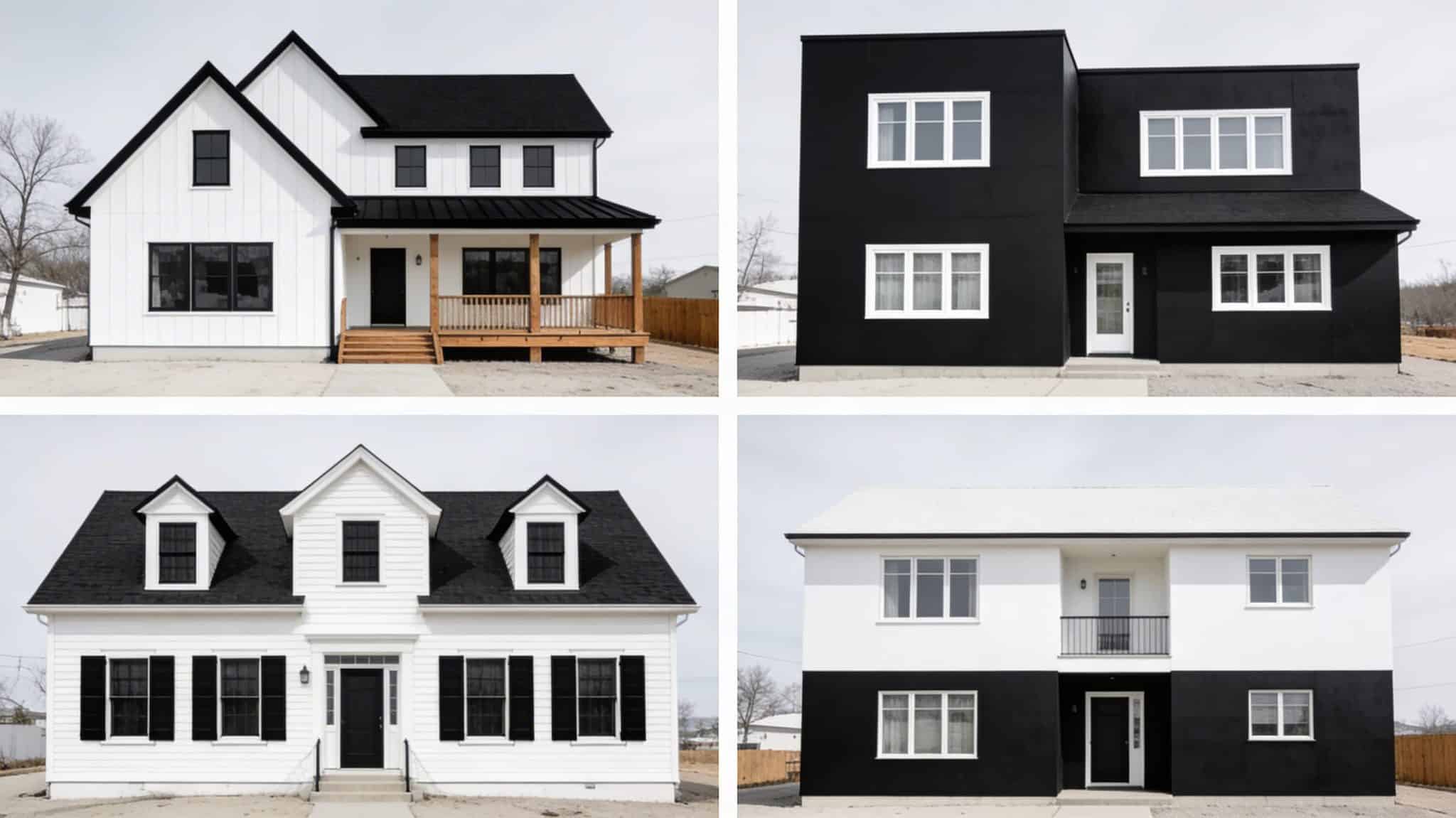
Every mark on your home tells a story. Fading paint hints at years of sun exposure. Dark streaks under vents suggest trapped moisture. These small signs rarely stop there. They point to problems that spread quietly until repairs demand attention.
You can break that cycle. Learning to read these clues gives you the upper hand. A quick inspection today can save months of damage later. Treat your home’s exterior as your first line of defense. When you protect it early, you preserve its beauty, value, and strength against the elements that test it every season.
Faded or Peeling Paint
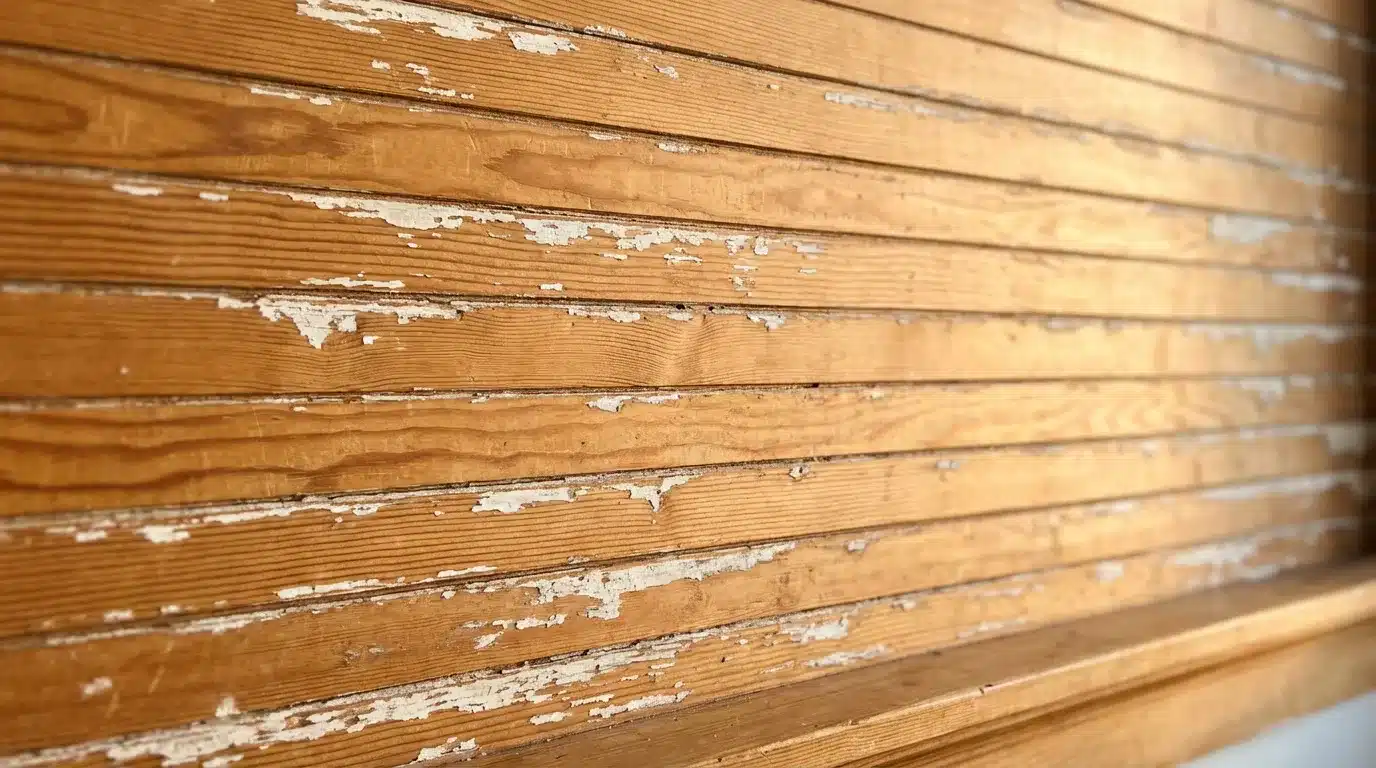
Paint protects more than it decorates. When it fades or peels, it signals that your home’s outer shield is wearing thin. It shows neglect in home exterior maintenance. Sun exposure, moisture, and fluctuating temperatures break down paint over time. Once that layer fails, wood and siding absorb water, leading to swelling, cracking, and eventual rot. What starts as a color issue quickly turns into structural damage.
Look closely at south-facing walls and trim, where sunlight hits hardest. Check window sills, fascia boards, and porch railings for curling edges or exposed material. These areas are usually the first to reveal signs of weakness. A simple scrape test helps. If paint lifts easily, it’s time to act.
Refreshing your paint isn’t only cosmetic. It seals out humidity, blocks UV rays, and restores your home’s clean lines. When choosing replacements, go for premium exterior paint formulated for your climate. Choose lighter tones to reduce heat absorption and extend surface life. A weekend of repainting today prevents a costly rebuild tomorrow.
Stains, Mildew, and Discoloration
Stains on siding or brick often reveal where water lingers. Mold and mildew thrive in shaded areas, especially near gutters, vents, or places where condensation drips from HVAC lines. These dark patches may seem harmless at first, but they signal trapped moisture and poor ventilation. Left alone, the buildup eats into the paint, softens the wood, and weakens the wall beneath.
Check under roof edges, around air-conditioning lines, and near hose connections. If stains return after cleaning, something deeper feeds them. Hidden leaks, slow-draining gutters, or faulty plumbing may be at fault. When moisture traces back to those systems, professionals like those at TheElitePros.com can identify and repair the source before it spreads.
Clean exterior surfaces with a gentle wash that removes residue without stripping protective coatings. Use mold-resistant treatments if you live in a humid area. More importantly, solve the cause, not the symptom. Once moisture has a path, it keeps finding its way back.
Cracked Caulking and Gaps in Trim
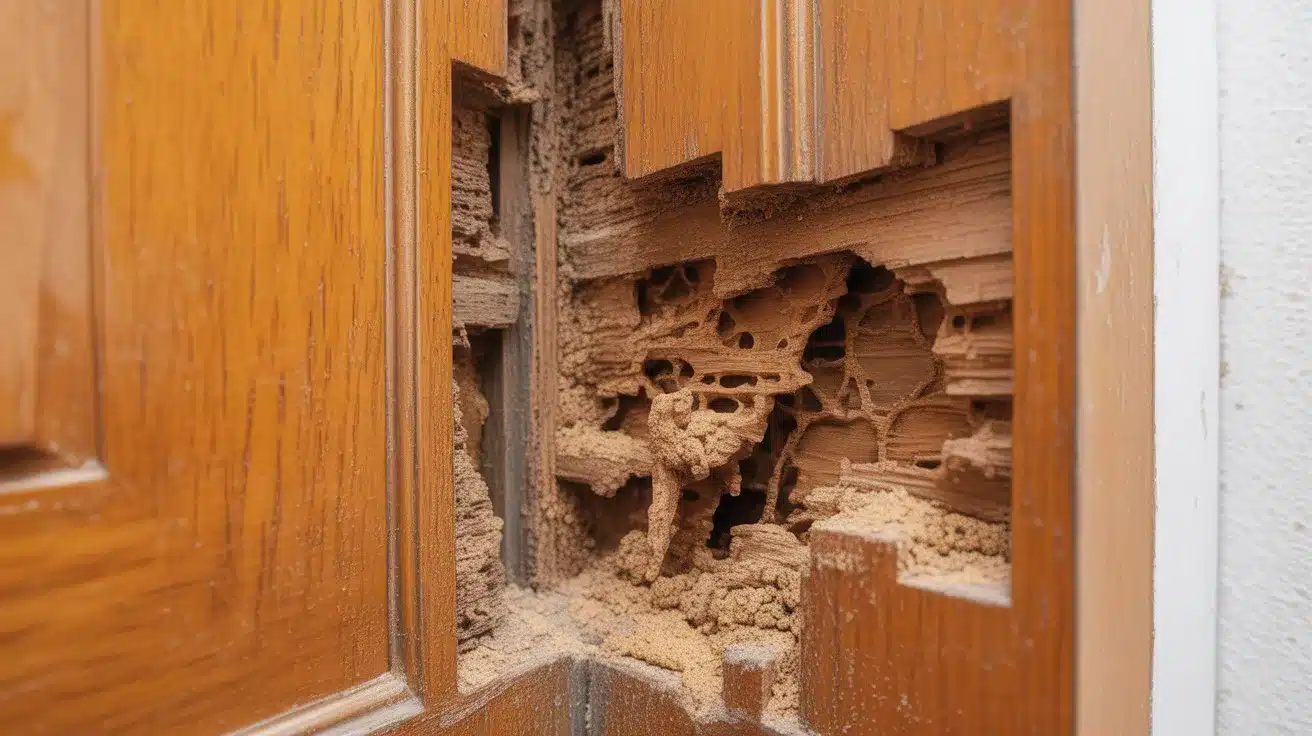
Caulk keeps the elements out. When it cracks or separates, water, insects, and air slip through the gaps. Over time, this weakens insulation and invites moisture that leads to rot. You’ll often spot it along window frames, doorways, and where siding meets corners. Even small openings can create big problems once rain and humidity start working their way in.
Test those areas by pressing gently along seams. If the seal feels brittle or flakes away, it’s no longer doing its job. Old caulk hardens and shrinks, leaving thin openings that are easy to miss. Replace it with an exterior-grade, paintable sealant that flexes with temperature changes.
Repairing gaps does more than prevent leaks. It keeps conditioned air inside and pests outside. Once you reseal, inspect the surrounding trim for soft spots or discoloration. A few hours of careful sealing and repainting restore both protection and polish, ensuring your home remains energy-efficient through every season.
Rusted or Outdated Exterior Fixtures
Metal fixtures tell their own story. Rust on light casings, door handles, or railings means moisture is settling where it shouldn’t. Corrosion weakens mounts, exposes wiring, and stains nearby surfaces. Left unchecked, these small flaws dull your home’s appearance and compromise safety. A rusted light can short out, and a loose mailbox or railing becomes a hazard.
Inspect every metal detail under your porch, along pathways, and around entryways. Touch fixtures to check for wobbling or signs of moisture. Replace rusted screws and sand corroded areas before repainting. When parts no longer tighten or show deep pitting, replacement is safer than repair.
Choose high-quality materials built to resist weather, such as powder-coated metals or treated aluminum. Select designs that match your home’s character and spacing. Adding updated fixtures enhances curb appeal while reducing long-term maintenance. Those small upgrades make your exterior look cared for and function as it should, season after season.
Damaged Landscaping Borders and Bed Edges

Your landscaping frames the entire exterior. When borders crumble or shift, the yard looks neglected and unsightly. Cracked stones, sinking bricks, or uneven lines signal soil movement or poor drainage. Over time, rainwater erodes the base, pushing the edging out of place. What starts as a loose border can soon allow mulch to wash away and roots to dry out.
Walk the perimeter after heavy rain. Look for exposed roots or sections where water pools. Straighten leaning borders, reset loose pieces, and compact the soil beneath them. Repairing early keeps your beds contained and prevents erosion from spreading to walkways and siding.
Replace broken edging with materials that resist shifting, like steel, concrete, or composite. Refresh plant beds with clean lines and firm boundaries. Well-defined edges strengthen the entire presentation of your home. They guide the eye, protect the soil, and complete the refreshed look you’ve worked to restore.
Wrapping Up
Homes age in quiet ways. Paint dulls. Caulk splits. Hardware rusts. Each detail signals exposure to the elements and the gradual wear that comes with time. These aren’t flaws to ignore. They’re early warnings that let you act before the damage deepens.
A clean surface or sealed joint isn’t just for looks. It keeps the structure intact. Every repair, from repainting to replacing fixtures, adds years of protection. Treat those updates as maintenance, not decoration. They build strength where it’s fading.
Step back and view your home as a whole system. When every layer works together, beauty follows naturally, and durability lasts far longer.