There’s a quiet pull happening right now, drawing people away from the buzz of modern life and toward something more grounded.
Maybe you’ve felt it too: that longing to grow your own food, learn forgotten skills, or simply slow down enough to watch seeds become dinner.
Homesteading isn’t about perfection or turning back time. It’s about reclaiming small pieces of self-reliance in whatever space you have, whether that’s a backyard, a balcony, or a few acres in the countryside.
We’ll walk you through the real deal: the mindset shifts that matter, the skills worth learning first, what it actually costs to get started, and those crucial first steps that turn daydreams into dirt under your fingertips.
What is Homesteading Today?
Modern homesteading looks different than it did a century ago. You’re not required to abandon your wifi or live off-grid completely.
Today’s homesteaders blend old skills with new conveniences, choosing which parts of self-sufficiency fit their lives.
Rural homesteading might mean raising livestock and preserving harvests on acreage. Suburban versions often focus on backyard gardens, chicken coops, and food preservation in typical neighborhood lots.
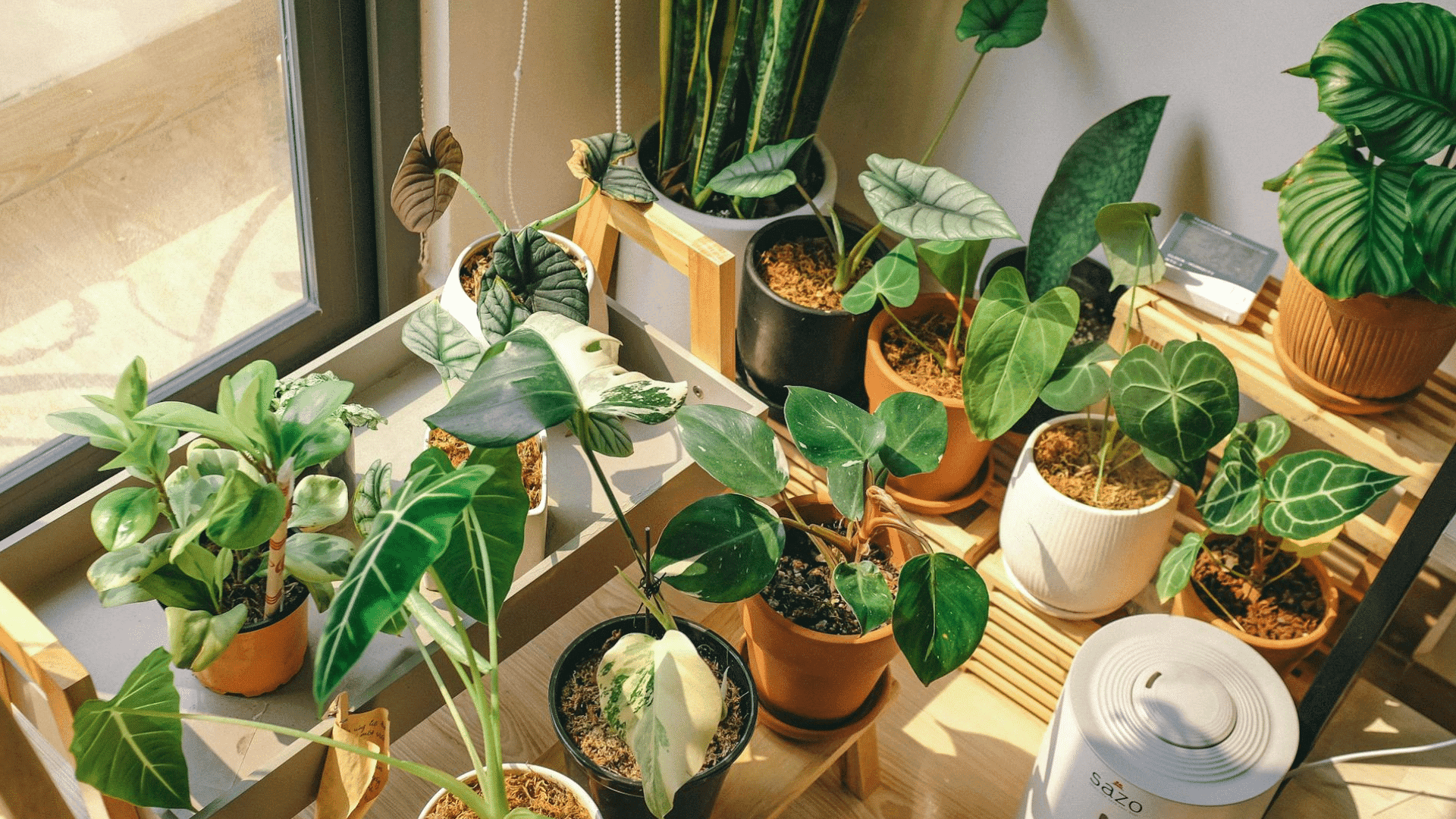
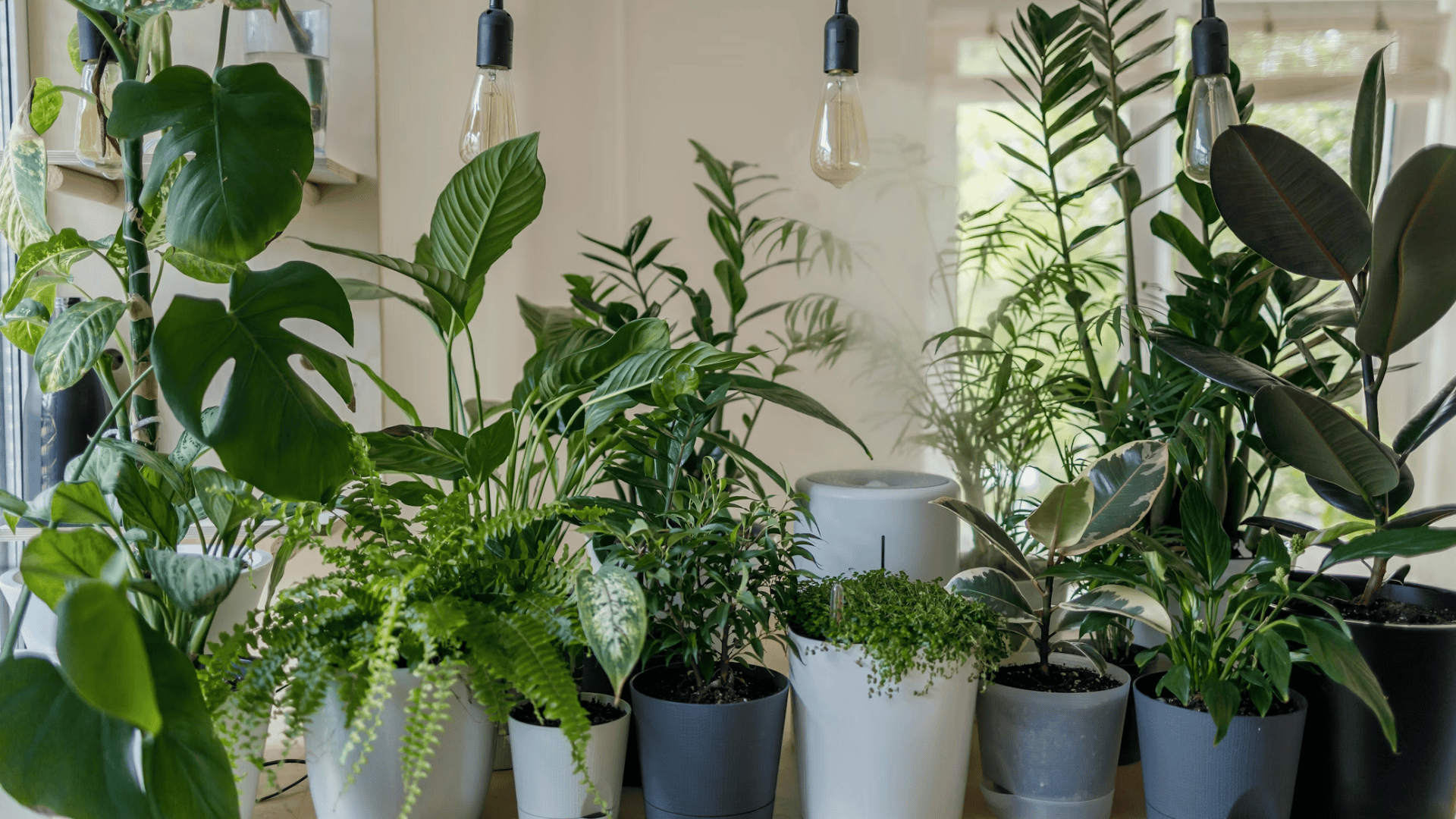
Even urban homesteaders are thriving with container gardens on balconies, indoor herb systems, and fermentation projects in apartment kitchens.
The scale changes, but the heart stays the same: growing, making, and knowing where your essentials come from.
Is Homesteading Right for You?
Homesteading asks more of you than weekend hobbies or occasional projects.
Before you jump in, consider what daily life actually looks like when you’re responsible for living things and seasonal rhythms.
- Animals Don’t Take Vacations: Chickens need daily care, gardens demand consistent attention, and preserving harvests happens on nature’s timeline, not yours.
- The Learning Curve is Steep and Humbling: You’ll kill plants, lose crops to pests, and make expensive mistakes before things finally click.
- Your Body Will Feel It: Digging, hauling, bending, and lifting become part of your routine, and soreness is just Tuesday.
- Mental Resilience Matters as Much as Physical Strength: Failed harvests, predator losses, and unpredictable weather test your patience and problem-solving constantly.
Homesteading rewards those who can adapt, troubleshoot, and find joy in the process rather than just the harvest. If that sounds like a challenge you’re ready for, you’re already thinking like a homesteader.
How to Start Homesteading: Beginner Overview
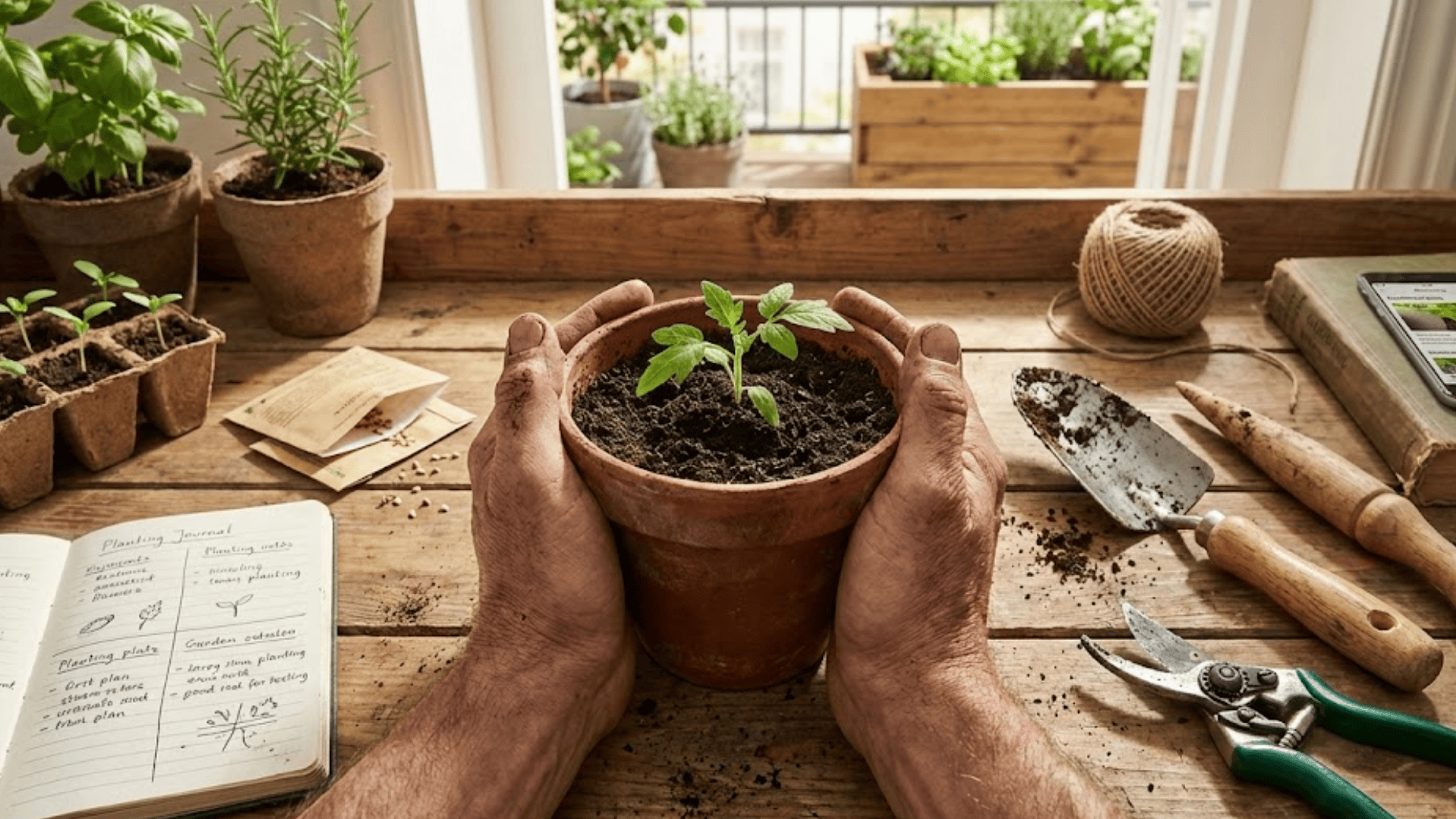
Homesteading doesn’t require a farm or a fat bank account to begin. It starts with looking around at what you already have and building from there, one skill at a time.
Start Where You Are With What You Have
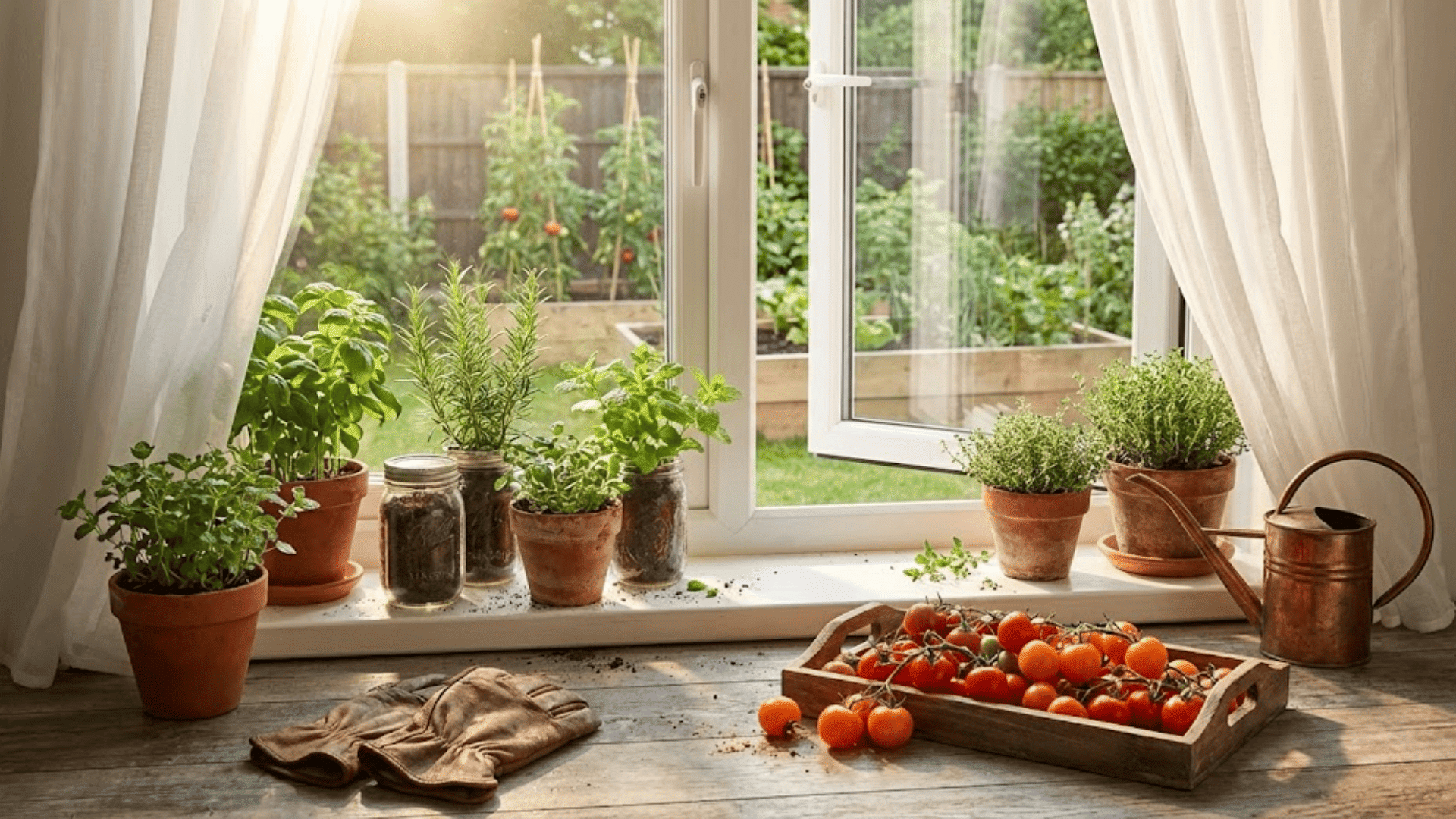
Stop waiting for the perfect property or ideal conditions. A sunny windowsill can grow herbs. A corner of your yard can become a garden bed. Your kitchen counter can ferment vegetables.
Most successful homesteaders started in apartments or rental homes, not sprawling acreage. The average urban balcony gets enough sunlight for container vegetables that can produce pounds of food per season.
What matters isn’t square footage but willingness to experiment with your actual space right now.
Choosing One or Two Skills to Begin With
Trying to master everything at once is how beginners burn out within six months. Focus creates competence, while scattered efforts create frustration and wasted money.
- Pair a Growing Skill With a Preservation Skill: Learn to grow tomatoes and can them, raise herbs and dry them, or tend chickens and pickle their eggs.
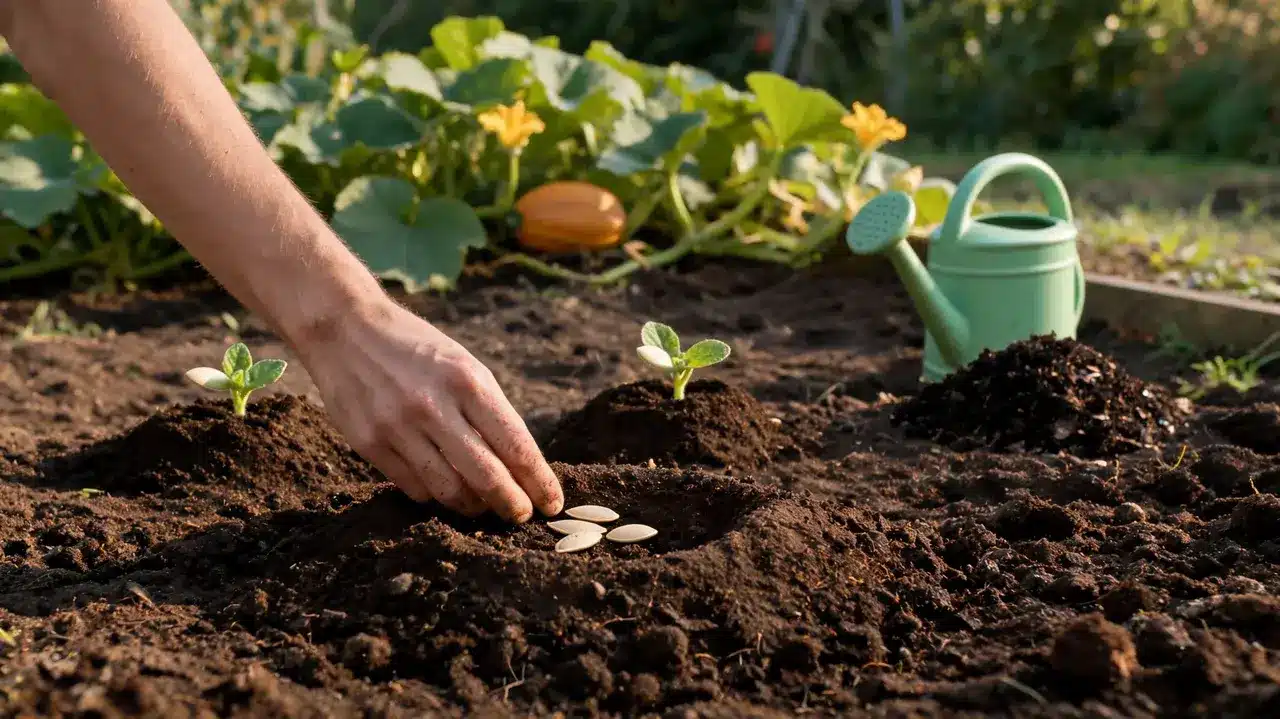
- Master Seed Starting Before Adding Animals: Plants are more forgiving than livestock, and gardening teaches you observation skills that transfer to animal care.
- Pick Skills That Build on Each Other: Understanding soil pH helps with composting, basic carpentry for garden beds prepares you for coop building later.
- Give Each Skill 3 to 6 Months: Research shows this timeline allows you to experience a full cycle, troubleshoot problems, and decide if you want to expand or pivot.
Build Your Homestead Gradually Over the Years
Most first-year homesteaders who quit do so because they overcommitted too fast.
Plants take months to mature. Animals need years of experience to manage well.
Your soil improves gradually, season by season. Rushing leads to buying equipment you won’t use, planting crops that fail, and burning through savings on mistakes.
Homesteaders who stick with it report taking 3 to 5 years before feeling truly competent. That timeline isn’t discouraging; it’s realistic, and knowing it upfront saves you from unfair expectations.
Choosing Your Homesteading Focus
Homesteading looks different for everyone because your focus depends on your space, time, budget, and what genuinely excites you.
Here’s how different paths compare so you can choose what fits your life right now.
| Focus Area | Best For | Space Needed | Time Commitment | Startup Cost |
|---|---|---|---|---|
| Gardening and Food Growing | Beginners wanting quick wins | Balcony to backyard | 5 to 10 hours weekly | $50 to $300 |
| Raising Chickens or Small Livestock | Daily animal caretakers | 100+ sq ft outdoor space | 30 min to 1 hour daily | $300 to $800 |
| Food Preservation Basics | Kitchen experimenters | Counter space | Seasonal batches | $100 to $400 |
| DIY Skills and Home Production | Hands-on makers | Workshop or garage | Project-based | $200 to $600 |
| Renewable and Low-Waste Living | Eco-focused minimalists | Any space | Ongoing lifestyle shifts | $100 to $1,000+ |
Homesteading on Any Size Property
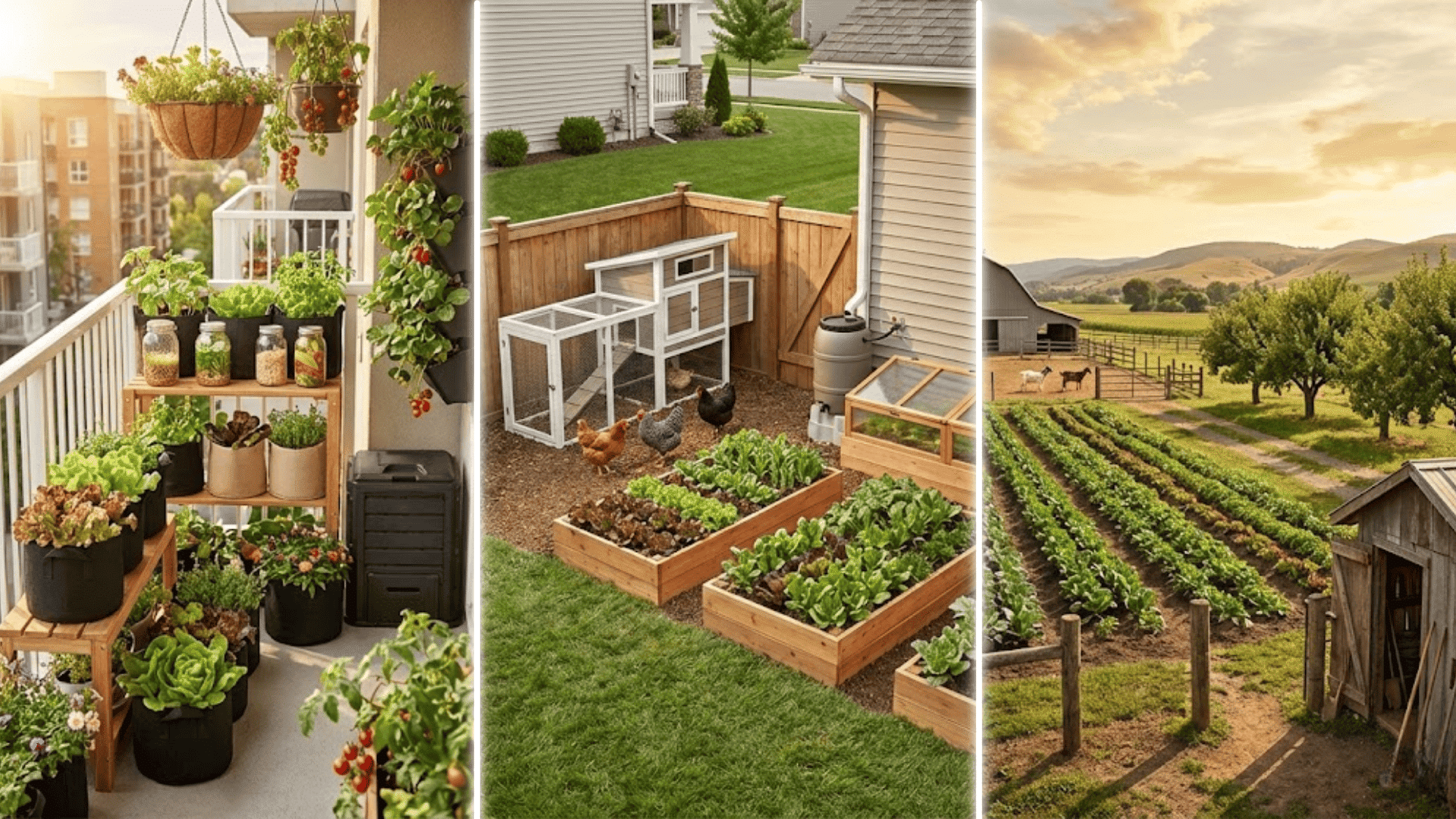
You don’t need acres to homestead. The size of your space simply shapes what you grow, raise, and create, not whether you can do it at all.
1. Apartment and Urban Homesteading Ideas
What You’re Working With: Balconies, windowsills, countertops, shared community garden plots
Container gardening thrives in small spaces with vertical growing systems maximizing every inch. Windowsill herb gardens, countertop sprouting, and indoor mushroom kits produce fresh food year-round.
Fermentation projects like kombucha, sauerkraut, and sourdough need minimal space but deliver serious self-sufficiency.
Many urban homesteaders join community gardens for larger growing areas while keeping preservation and DIY skills at home. Balcony composting systems handle kitchen scraps without outdoor access.
2. Backyard and Suburban Homesteads
What You’re Working With: Quarter-acre to half-acre lots, typical residential yards with some outdoor space
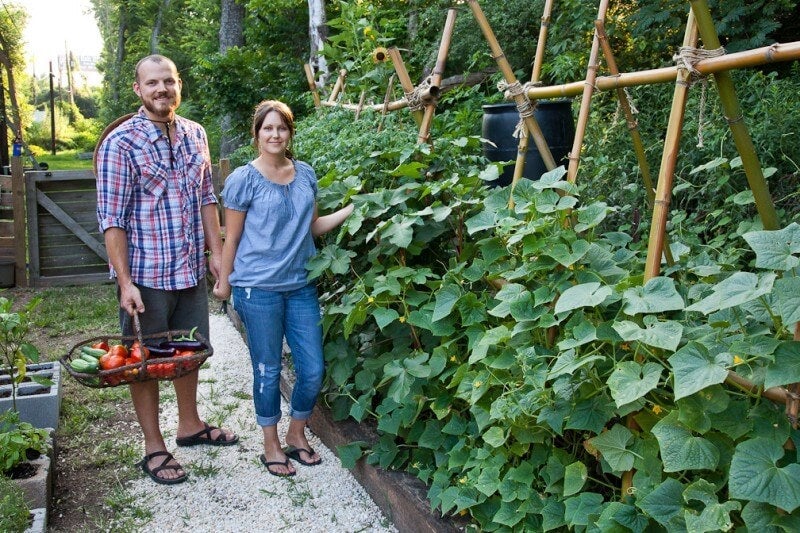
Suburban homesteads balance neighborhood regulations with productive use of available land. Raised bed gardens, small chicken coops (where allowed), berry bushes, and dwarf fruit trees fit comfortably in standard yards.
Many suburbs permit 4 to 6 chickens without roosters. Rain barrels, compost bins, and small greenhouses add functionality.
This scale allows serious food production, with families often growing 30% to 50% of their vegetables and preserving harvests for winter while maintaining curb appeal.
3. Rural and Acreage-Based Homesteading
What You’re Working With: One acre to multiple acres with fewer zoning restrictions
Acreage opens possibilities for larger livestock like goats, pigs, or cattle alongside extensive gardens and orchards. You can add beehives, run serious food production systems, and build outbuildings without neighbor complaints.
Many rural homesteaders aim for 70% to 90% food self-sufficiency over time. The trade-off is more land management, higher equipment costs, and increased physical labor.
Larger properties demand tractors, fencing, water systems, and years of soil building for peak productivity.
Basic Skills Every Beginner Homesteader Learns
These foundational skills form the backbone of homesteading, regardless of what direction you eventually take.
Master these basics, and everything else becomes easier to learn.
- Soil Health and Composting: Understanding what makes soil alive, building functional compost piles, and reading your soil’s pH and nutrient needs.
- Seasonal Gardening Basics: Knowing your frost dates, planting cool versus warm season crops, and succession planting for continuous harvests.
- Simple Food Preservation Methods: Water bath canning, freezing at peak ripeness, dehydrating herbs and fruits, and basic fermentation projects.
- Tool Use and Basic Repairs: Sharpening blades, maintaining hand tools, fixing structures, and troubleshooting equipment failures before calling for help.
These aren’t glamorous skills, but they’re the ones you’ll use weekly for years. Get comfortable with the fundamentals before chasing advanced techniques or expensive equipment.
Costs of Homesteading for Beginners
Homesteading costs vary wildly depending on your goals, but understanding where money goes upfront versus over time helps you budget realistically without sticker shock.
| Cost Category | Startup Investment | Ongoing Annual Costs | Budget-Friendly Alternatives |
|---|---|---|---|
| Garden Setup | $100 to $500 | $50 to $150 | In-ground beds, saved seeds, free compost |
| Chickens | $300 to $800 | $200 to $400 | Reclaimed coop materials, started pullets, free-ranging |
| Food Preservation | $150 to $400 | $30 to $100 | Freezing first, borrowed canners, reused jars |
| Hand Tools | $100 to $300 | $20 to $50 | Estate sales, restored vintage tools, borrowing |
| Water Systems | $50 to $500 | $10 to $50 | Food-grade buckets, hand-watering, and mulching |
Tip: Most beginners overspend on things they don’t need yet. Invest in quality soil amendments and a good pair of pruners first. Everything else can wait until you know what you’ll actually use regularly.
Learning From the Homesteading Community
The homesteading community is one of the most generous you’ll find online and locally.
Blogs and forums like r/homesteading offer real-time troubleshooting when your tomatoes wilt or your chickens stop laying. Shared experience saves you from repeating costly mistakes others have already made.
Someone in your climate zone has already figured out what grows best, when to plant, and which pests to expect.
Local connections matter even more. Finding a mentor who can walk your property, answer questions in person, and share surplus seeds or starter plants accelerates your learning faster than any book.
Homesteaders love helping beginners because someone once helped them, too.
Seasonal Expectations for New Homesteaders
The first year of homesteading feels chaotic because you’re learning in real time while nature moves on its own schedule.
Expect to kill plants, lose crops to weather, and find that animals are far more work than YouTube made them look.
- Spring: Planting deadlines arrive before you’re ready, seedlings need constant attention, and everything demands immediate action all at once.
- Summer: Harvests overwhelm you faster than you can process them, weeds grow relentlessly, and watering becomes a daily non-negotiable task.
- Fall: Preservation work piles up when you’re already exhausted, gardens need cleanup and prep for winter, and you’re racing against the first frost.
- Winter: Finally, some breathing room to plan, repair tools, review what worked and what didn’t, and prepare for a smarter second year.
Every failure teaches you something that your specific land, climate, and setup needed you to learn. By year two, the rhythm starts making sense.
By year 3, you’re working with the seasons instead of scrambling behind them.
Final Thoughts
Homesteading for beginners isn’t about doing everything perfectly or changing your life overnight. It’s about showing up consistently, learning from what doesn’t work, and celebrating the small wins along the way.
Your first harvested tomato, your first dozen eggs, your first jar of preserves: these moments stick with you because you made them happen with your own hands.
Start small, stay curious, and give yourself permission to mess up. The process matters more than the end goal.
What’s one thing you’re excited to try first? Drop a comment below and let’s talk about where you’re starting.