Have you ever looked around your house and wondered which changes are actually worth the effort, and which ones just feel good for a little while? Time and money go into updates, but not every improvement pays back in ways that last.
In Traverse City, homeowners often find themselves wondering if they should take the leap toward home improvements. Property values have remained strong, and homeowners are careful about how they invest in their houses. Many older homes sit alongside newer builds, which puts pressure on updates to actually hold value over time. Improvements that make daily living easier, reduce maintenance, and appeal to future buyers tend to matter most here, especially when the goal is staying put while still protecting long-term equity.
Updates That Make the Home More Practical and Functional
The improvements that last tend to remove effort from everyday routines. A home that’s easier to heat, easier to move through, and easier to maintain quietly saves time and money over the years. These changes don’t always stand out visually, but they shape how the house performs. Buyers notice this too, even if they can’t name it. A house that feels solid, efficient, and low-maintenance tends to stand apart from one that looks updated but asks for constant attention. Long-term value often shows up as fewer problems, not more features.
Bathrooms That are Aesthetic, Safe, and Practical
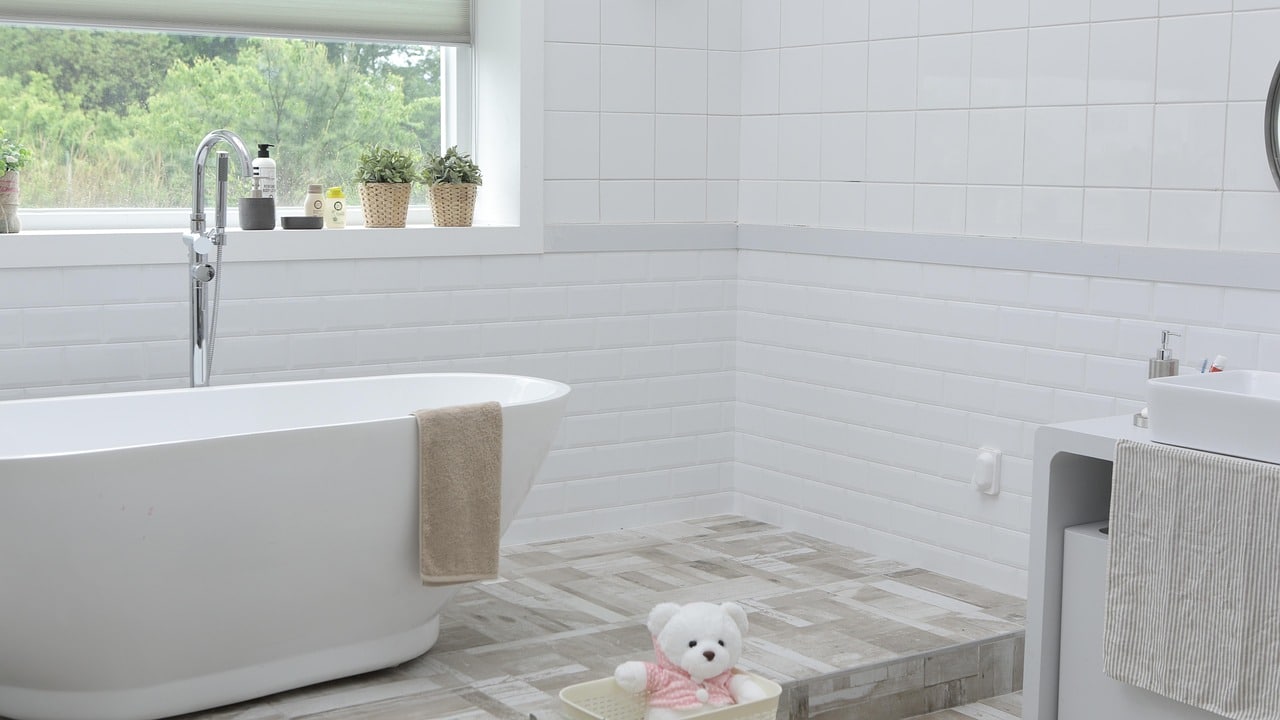
One area where long-term value often shows up is in older bathrooms. Worn surfaces and tight layouts don’t always cause immediate problems, but they narrow who the home works for over time. People adapt quietly, stepping carefully or avoiding certain uses, until those workarounds become limiting.
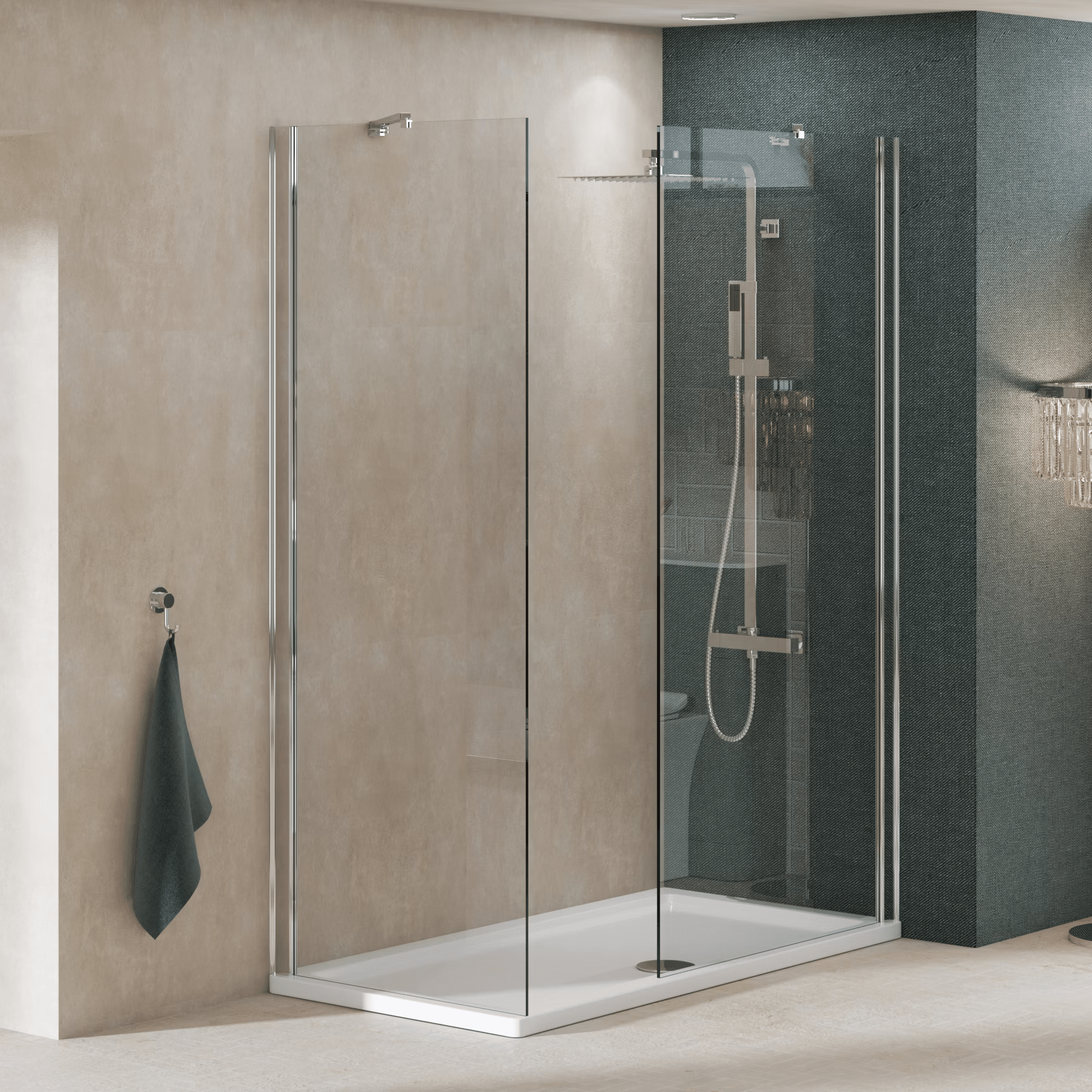
That’s when updates focused on access and safety come into play. Opting for professional bath conversions in Traverse City is a good way to not only make your space more functional but also boost overall property value. Changes like this can extend how long a home remains usable for its current owners while also appealing to future buyers who value practicality over flash.
Energy Efficiency That Holds Up Year After Year
Energy-related improvements tend to age well. Better insulation, sealed gaps, and efficient systems reduce monthly costs and stabilize comfort. Unlike cosmetic upgrades, these changes continue paying back long after they’re completed.
They also protect other parts of the house. Stable temperatures and controlled moisture reduce wear on finishes, flooring, and structural elements. Over time, that preservation becomes part of the home’s value, even if it’s invisible on a listing.
Layout Changes That Improve Flow
Homes built years ago often reflect routines that no longer match how people live now. Movement gets interrupted in small ways. Hallways feel tighter than expected. Doors open into the wrong space. Shared areas ask people to wait for their turn. None of this feels dramatic, but it adds friction to daily routines. People adjust without thinking, stepping aside, or changing direction, even though the space itself is causing the slowdown.
Small layout changes can quietly fix that. A doorway shifted slightly. A path opened where one didn’t exist before. Fixtures moved just enough to clear movement. These updates don’t change the house’s character, but they change how it behaves. The home becomes easier to move through, which helps it stay useful as lifestyles shift over time.
Materials Chosen for Durability, Not Trend Cycles
Some materials age better than others. Finishes that scratch easily, stain quickly, or require constant care tend to lose their appeal fast. Durable surfaces that clean easily and hold up to daily use keep a home looking better longer. This isn’t about choosing the most expensive option. It’s about choosing materials that tolerate real life. Homes that wear well need fewer updates over time, which protects value by reducing future costs.
Storage That Supports Real Habits
Storage problems don’t announce themselves as problems. They show up as piles, half-used spaces, and rooms that feel tighter than they should. People work around it by setting things down wherever there’s room, which slowly changes how the house feels. When storage matches how people actually live, that pressure eases. Items land where they’re used. Spaces feel calmer. Over time, this kind of improvement keeps rooms flexible instead of frozen in one purpose, which helps the home adjust as routines and needs shift.
Updates That Reduce Ongoing Maintenance
Some homes feel like they’re always asking for attention. Paint needs touching up again. Seals fail sooner than expected. The same repairs show up year after year. That cycle wears people down, even if each task seems small on its own. Choosing updates that reduce upkeep changes that relationship. Durable materials and simpler designs don’t demand constant follow-up. The house holds together with less effort. That steadiness adds value quietly, because future owners inherit fewer chores and fewer surprises.
Lighting and Visibility Improvements
Lighting shapes how a home feels more than most people realize. Dim corners slow movement. Harsh glare makes tasks uncomfortable. Poor visibility adds effort to routines that should be simple. When lighting is adjusted thoughtfully, rooms start working better without looking dramatically different. You move more confidently. Spaces feel more open. These improvements don’t depend on trends or finishes. They support daily use, which is why they tend to age well and remain valuable long after styles change.
Systems That Work Quietly in the Background
The systems that matter most are the ones people stop thinking about. When heating, cooling, and air flow stay steady, the house feels dependable. There’s no constant adjusting. No guessing. That reliability signals care, even if it goes unnoticed day to day. Buyers often ask about these systems early because they know what problems feel like when they’re missing. Quiet performance doesn’t draw attention, but it builds trust. Over time, that trust becomes part of the home’s long-term value.
The most valuable improvements are rarely the most dramatic. They’re the ones that make the home easier to live in year after year. They reduce effort, prevent damage, and keep the house flexible. Homes that age well do so because of thoughtful, practical choices made over time. Those choices don’t chase attention. They hold steady, which is exactly what long-term value tends to do.