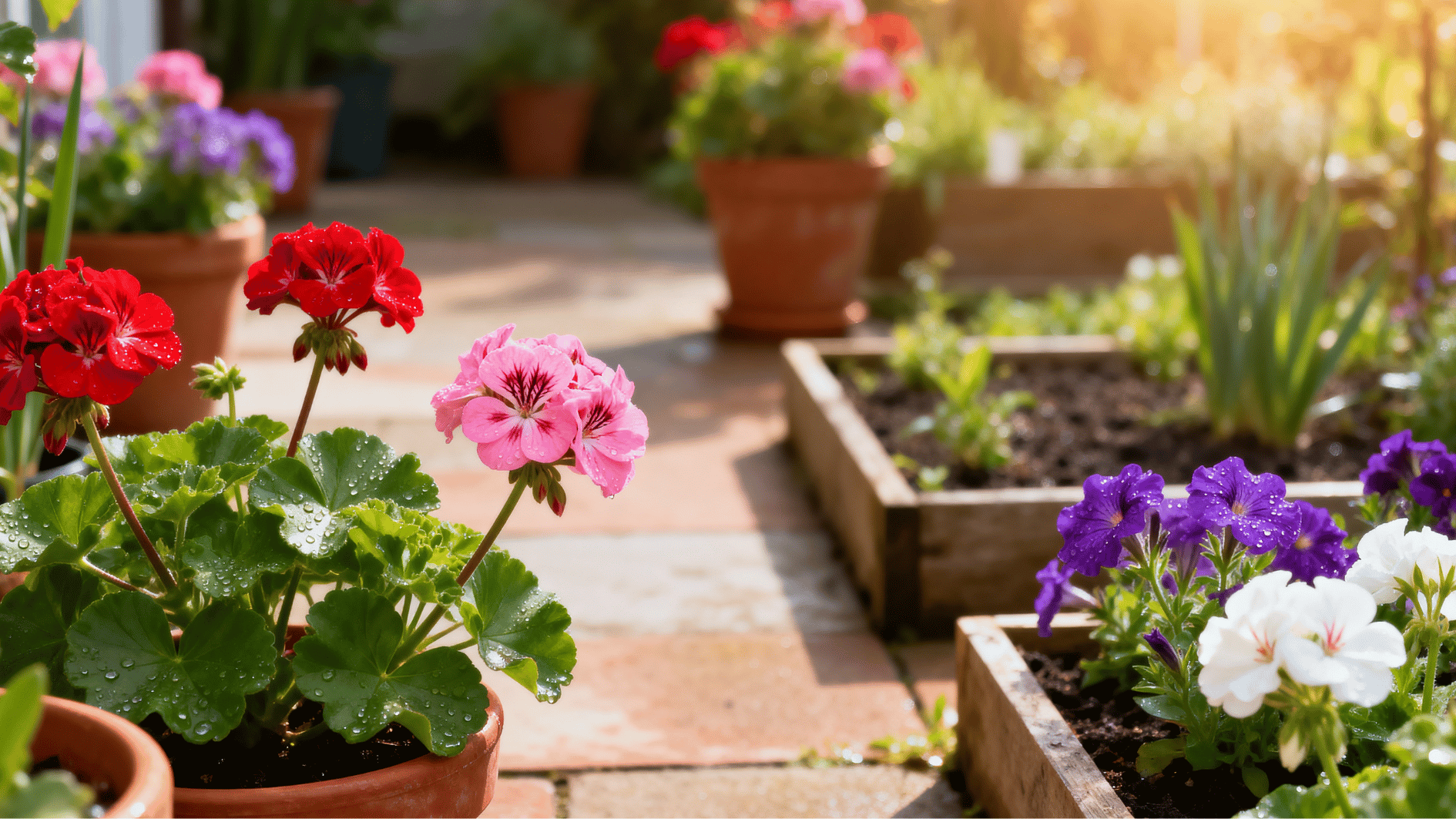
Starting a flower garden sounds fun until the plants die within weeks.
Dead petals, brown leaves, and wasted money feel frustrating when you just wanted some color outside. But some flowers practically refuse to die, no matter how often you forget to water them.
This guide covers flowers that survive beginner mistakes and busy schedules.
You’ll learn what makes certain flowers easier than others, when to plant them based on your location, and how long before you see actual blooms.
We’ll also show you the best spots for growing flowers without fancy garden beds or perfect soil.
What Makes Flowers Easy to Grow?
Not all flowers demand constant attention or expert skills. Easy flowers to grow share specific traits that make them forgiving for beginners and busy gardeners alike. These plants thrive with basic care and bounce back from minor mistakes. They give you beautiful blooms without the stress of complicated routines.
- Minimal watering and feeding needs: These flowers survive on rainfall alone in many climates and need fertilizer only once or twice per season.
- High germination or transplant success: Seeds sprout quickly and reliably, while transplants establish roots fast with minimal shock or wilting.
- Tolerance to heat, drought, or inconsistent care: They keep growing even when you forget to water or when temperatures swing unexpectedly during the season.
- Fewer pest and disease issues: These plants naturally resist common garden problems, so you spend less time treating bugs or fungal infections.
- Long or repeat blooming periods: They produce flowers for weeks or months, and many rebloom after deadheading or cutting back spent stems.
- Adaptability to different garden spaces: They grow well in containers, raised beds, borders, or directly in the ground without special soil amendments.
Where Easy Flowers Grow Best
Understanding where flowers thrive helps you choose the right spots in your yard or patio. The easiest flowers adapt to various locations, but they perform best in certain conditions.
| Growing Location | Best Flowers for This Spot |
|---|---|
| Containers and Pots | Petunias, marigolds, nasturtiums, geraniums |
| Full Sun Garden Beds | Zinnias, sunflowers, cosmos, California poppies |
| Partial Shade Areas | Sweet alyssum, daylilies, some cosmos varieties |
| Borders and Edges | Marigolds, sweet alyssum, calendula |
| Raised Beds | Black-eyed susans, coneflowers, bachelor’s buttons |
| Window Boxes | Petunias, sweet alyssum, nasturtiums |
| Open Ground Plantings | Daylilies, coneflowers, black-eyed susans |
14 Easy Flowers to Grow for Beginners
Looking for flowers that practically grow themselves? These 14 picks are perfect for anyone starting their first garden or short on time. Each one brings color and life to your space without demanding expert care.
1. Zinnias
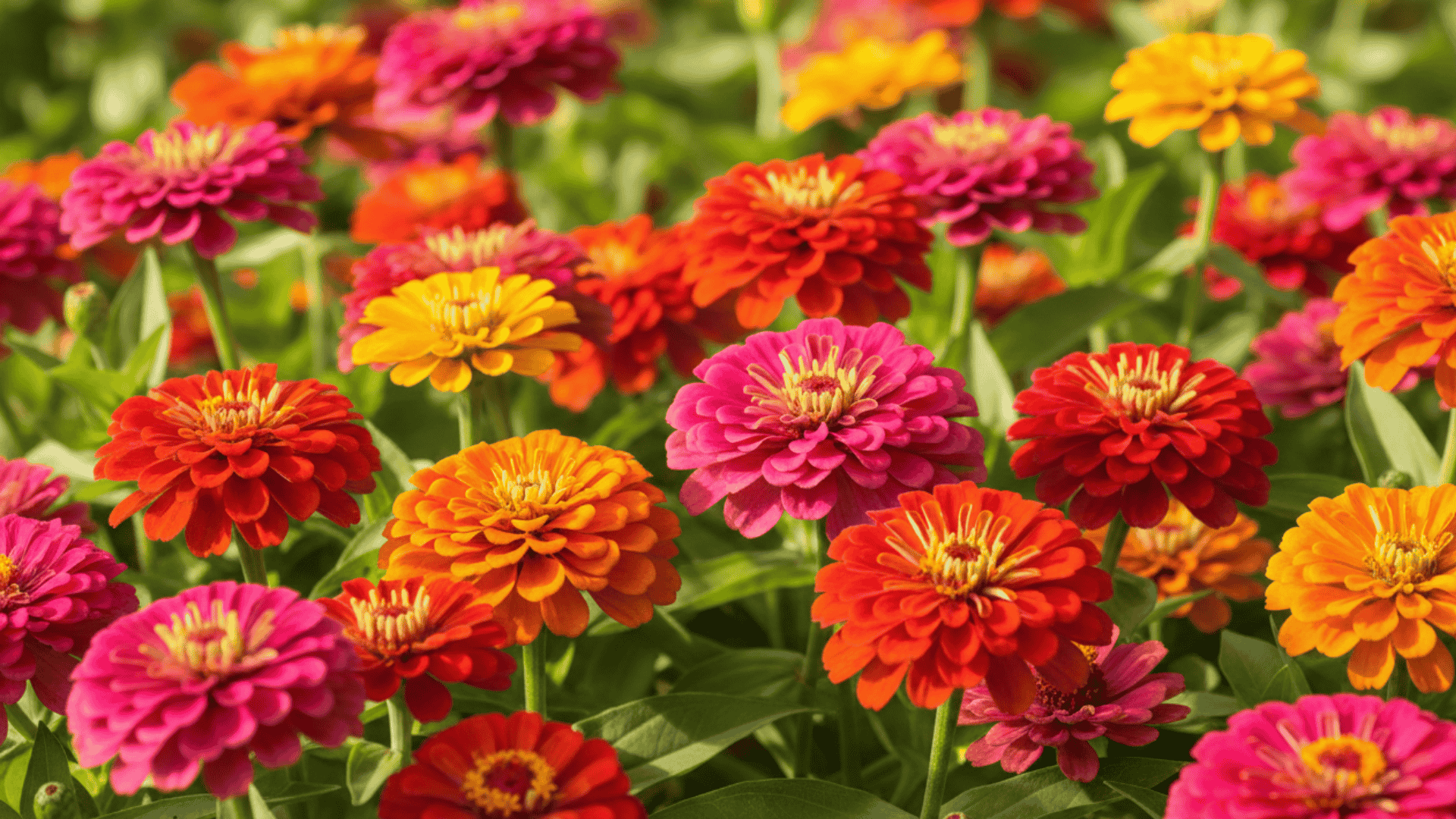
Zinnias are fast-growing annuals that bloom continuously from summer until frost. They come in bright colors and various heights. These flowers need very little care once established. You can cut them for bouquets, and they keep producing more blooms.
How to Grow Zinnias
- Plant seeds directly in the garden after the last frost when the soil feels warm to the touch.
- Space seeds 4 to 6 inches apart in full-sun locations with good drainage.
- Water the soil level rather than overhead to prevent mildew on leaves.
- Deadhead spent blooms weekly to encourage continuous flowering throughout the growing season.
2. Marigolds
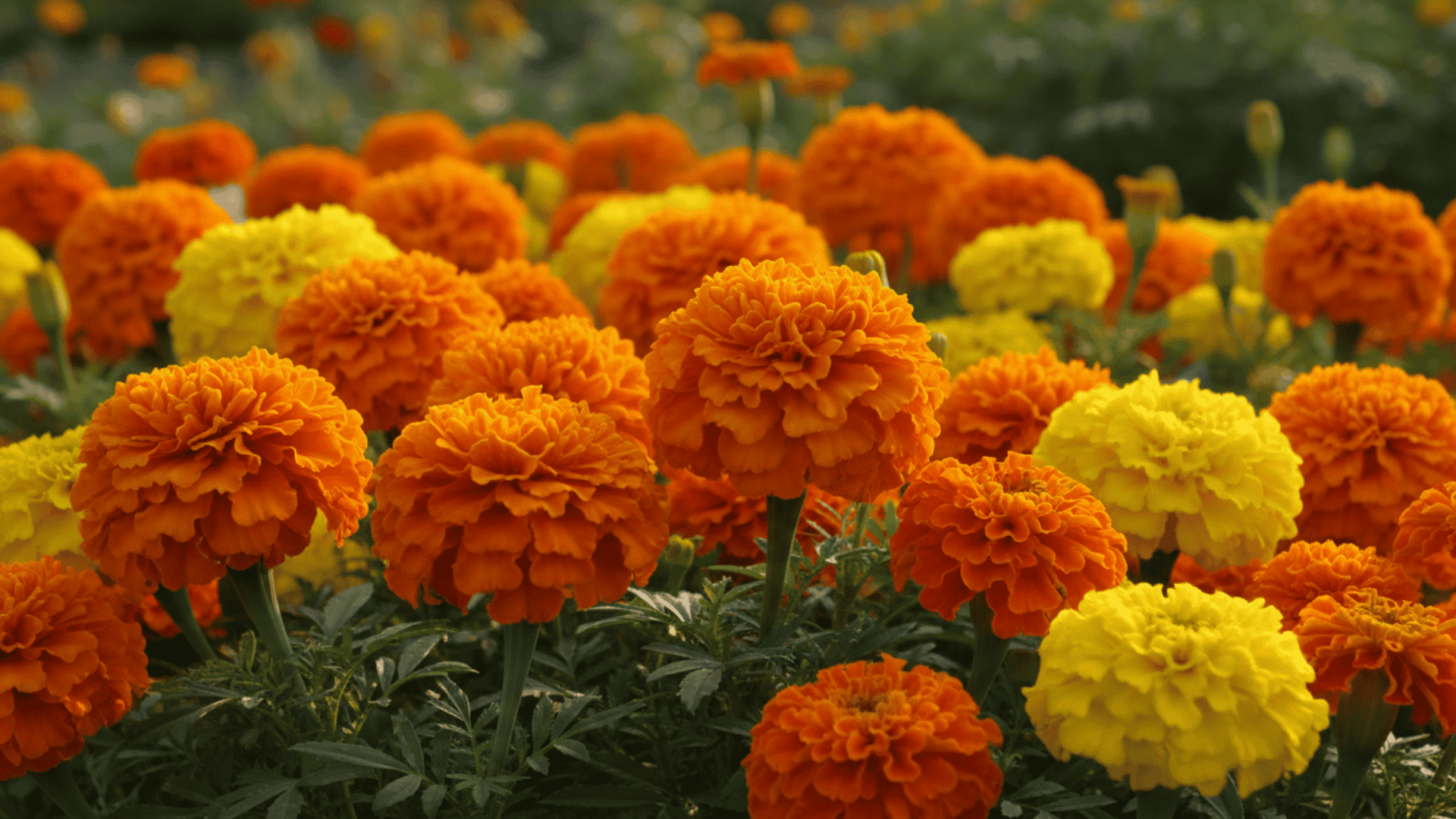
Marigolds tolerate heat, poor soil, and irregular watering better than most flowers. They produce orange, yellow, or red blooms all summer long. These tough plants even help repel certain garden pests naturally. Marigolds work well as border plants or container fillers.
How to Grow Marigolds
- Sow seeds outdoors after frost danger passes or start indoors 4 weeks earlier.
- Choose any sunny spot since marigolds adapt to almost any soil type.
- Water moderately only when the top inch of soil feels dry.
- Remove faded flowers to keep plants blooming longer and looking tidy.
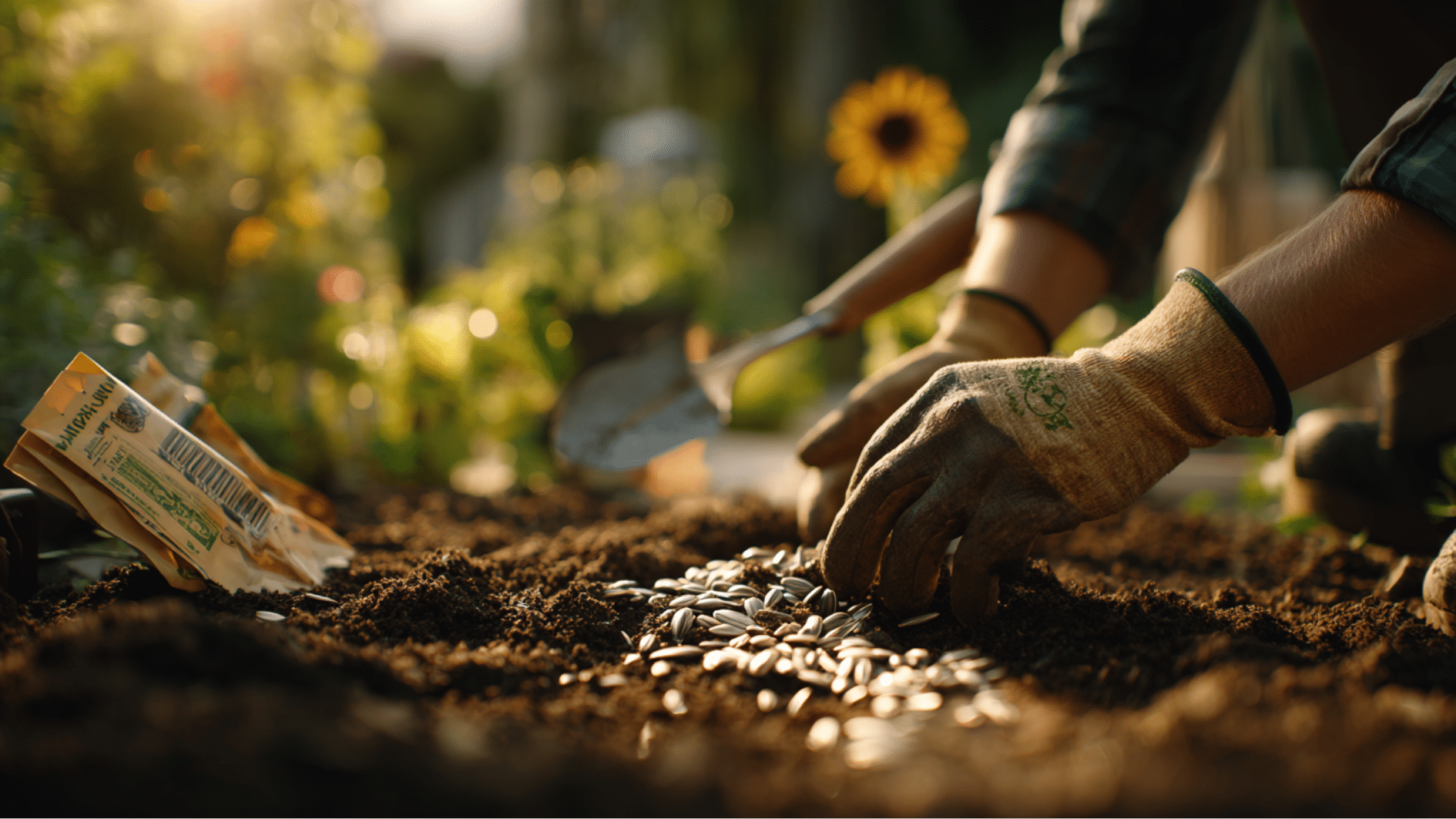
3. Sunflowers
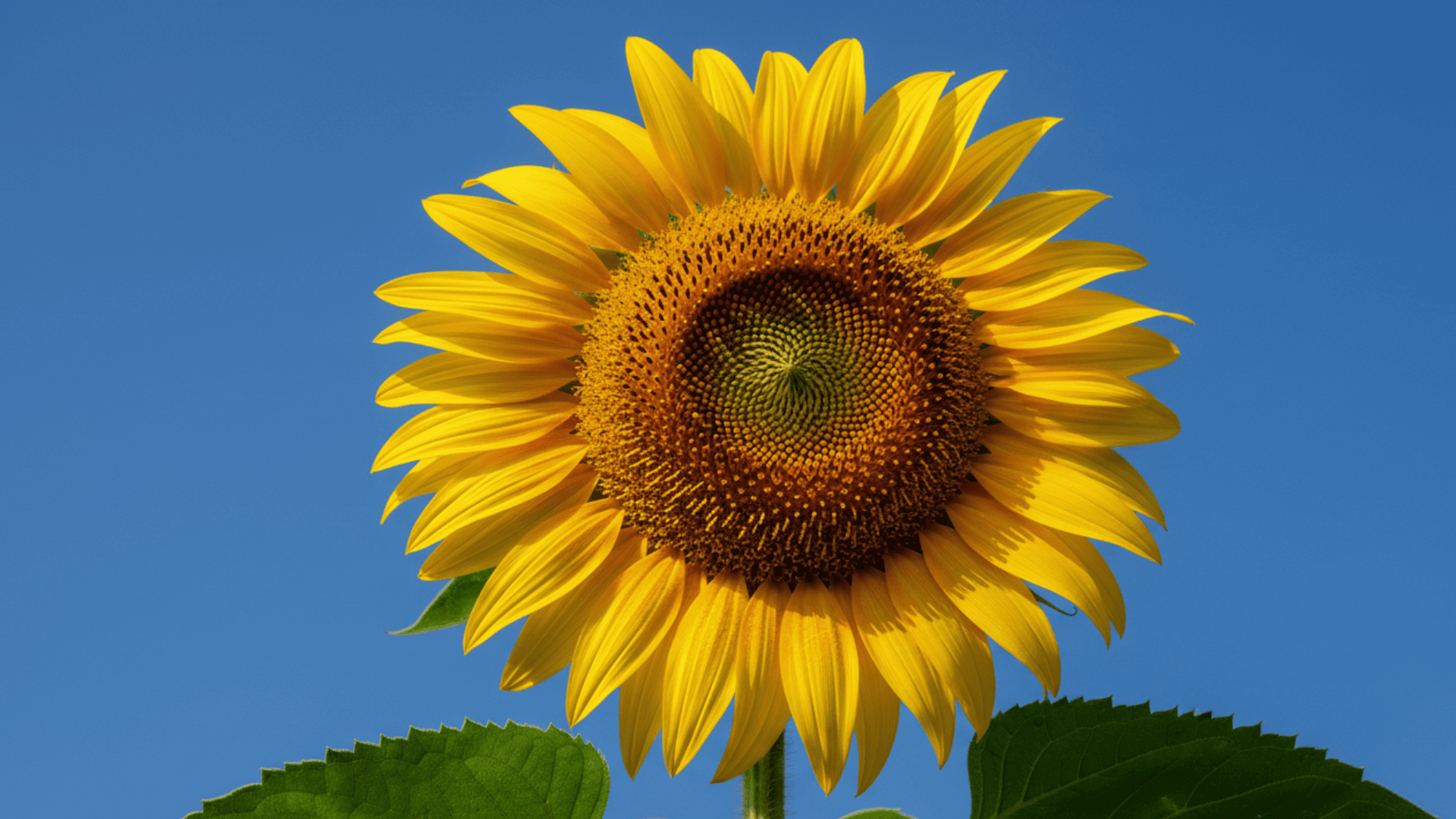
Sunflowers sprout quickly from large seeds and grow tall within weeks. They produce cheerful yellow blooms that follow the sun across the sky. These plants require minimal maintenance once their roots have established. Sunflowers also attract pollinators and provide seeds for birds later.
How to Grow Sunflowers
- Plant seeds 1 inch deep directly in the ground after frost risk ends.
- Space plants 6 to 12 inches apart, depending on the variety size you choose.
- Water deeply once per week rather than shallow watering every day.
- Stake tall varieties if your area experiences strong winds or storms.
4. Cosmos
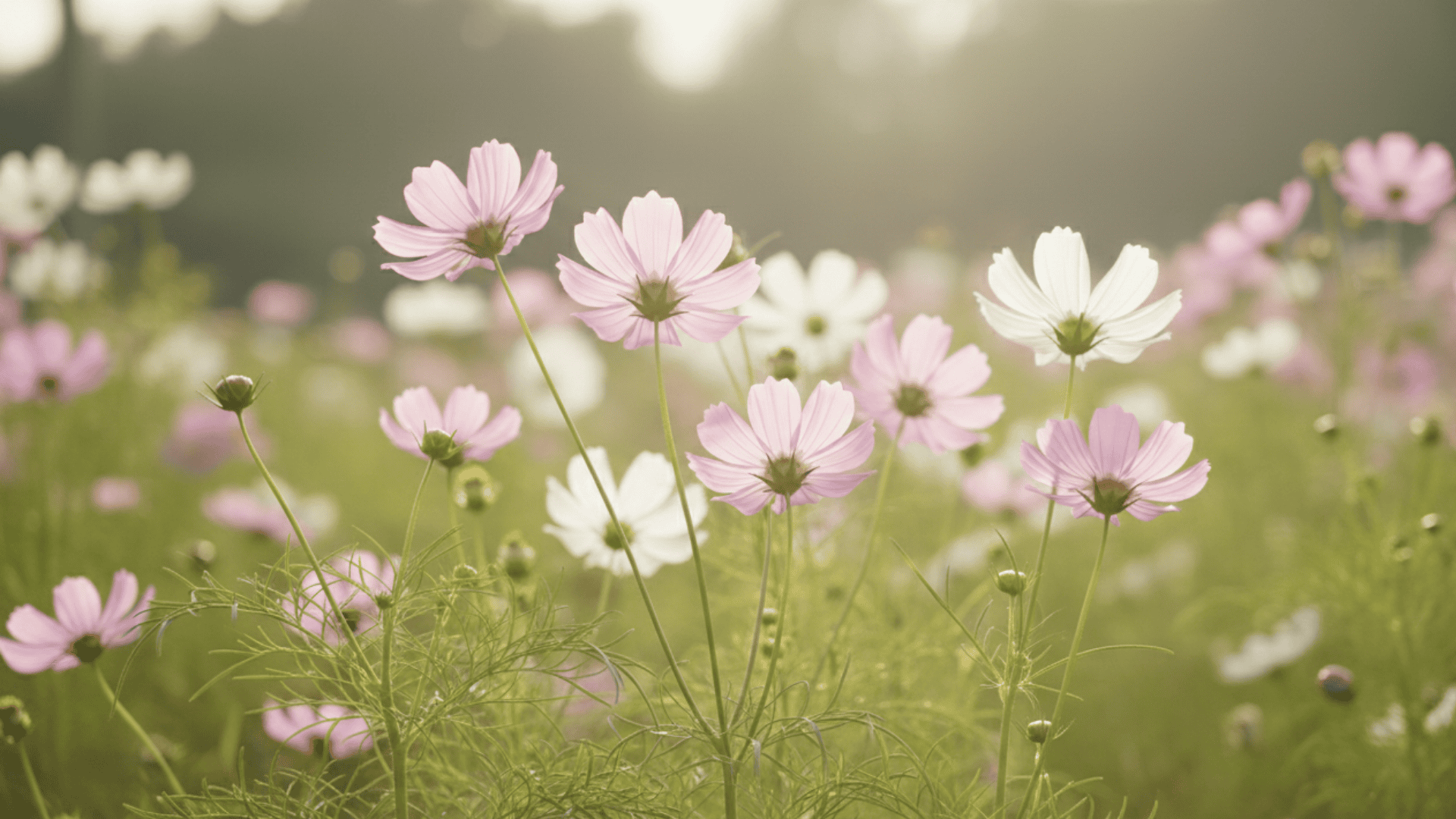
Cosmos are light, airy flowers with feathery foliage and daisy-like blooms. They thrive even when you forget to water them once in a while. These plants self-seed readily and may return next year without replanting. Cosmos attract butterflies and make excellent cut flowers for indoor displays.
How to Grow Cosmos
- Scatter seeds on prepared soil after the last spring frost date.
- Press seeds lightly into the soil surface without covering them completely.
- Water gently until seedlings emerge, then reduce watering frequency.
- Avoid fertilizing, as rich soil tends to make cosmos produce more leaves than flowers.
5. Nasturtiums
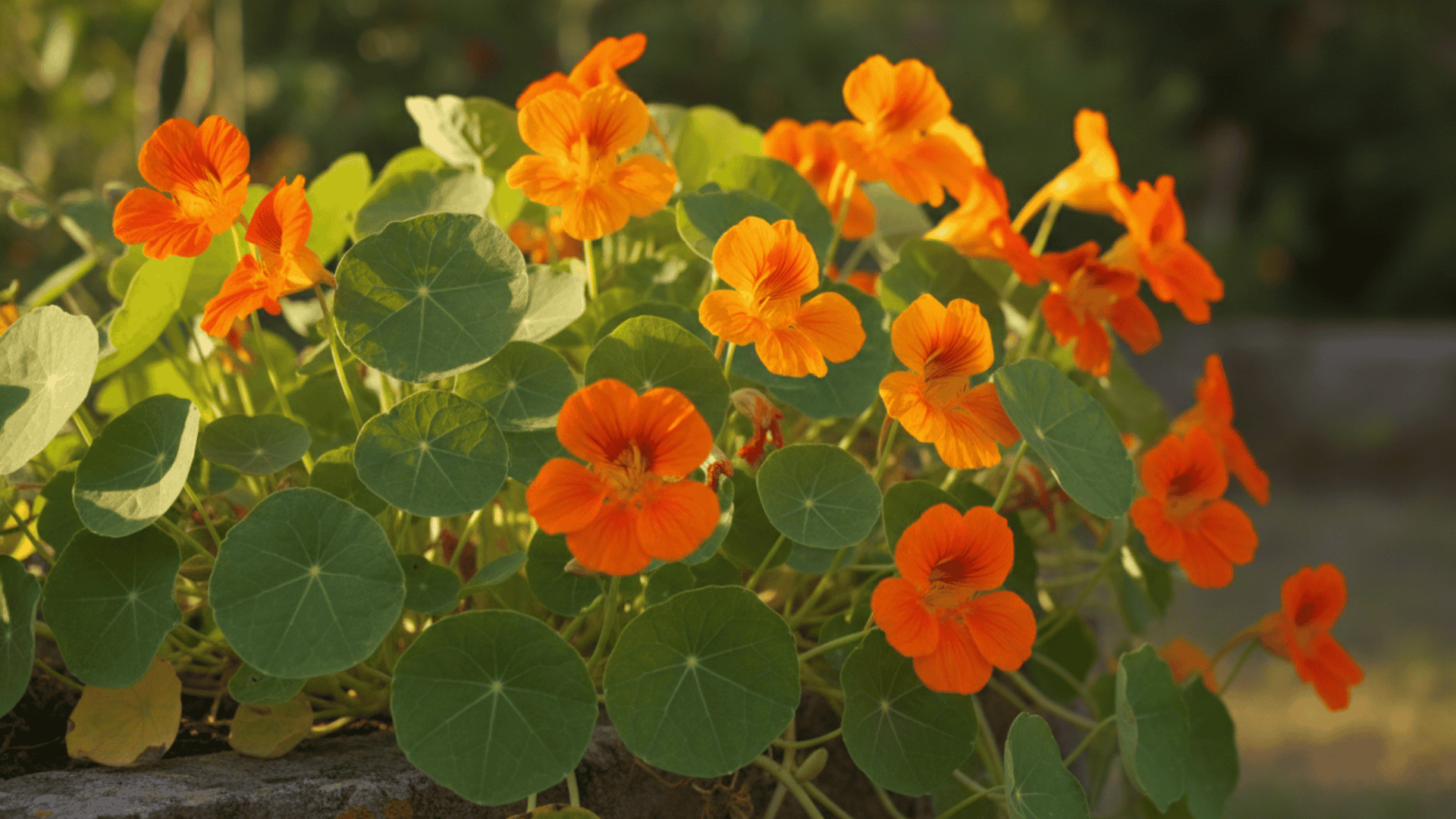
Nasturtiums grow well in containers, hanging baskets, or directly in garden beds. They produce round leaves and bright flowers in orange, yellow, or red. These plants grow quickly and bloom abundantly with little effort. Both the flowers and the leaves are edible and have a peppery taste.
How to Grow Nasturtiums
- Soak seeds overnight in water before planting to speed up germination.
- Plant seeds 1/2 inch deep in full sun or partial shade areas.
- Use poor to average soil, as rich soil significantly reduces flowering.
- Water only during dry spells, as nasturtiums prefer drier conditions.
6. Petunias
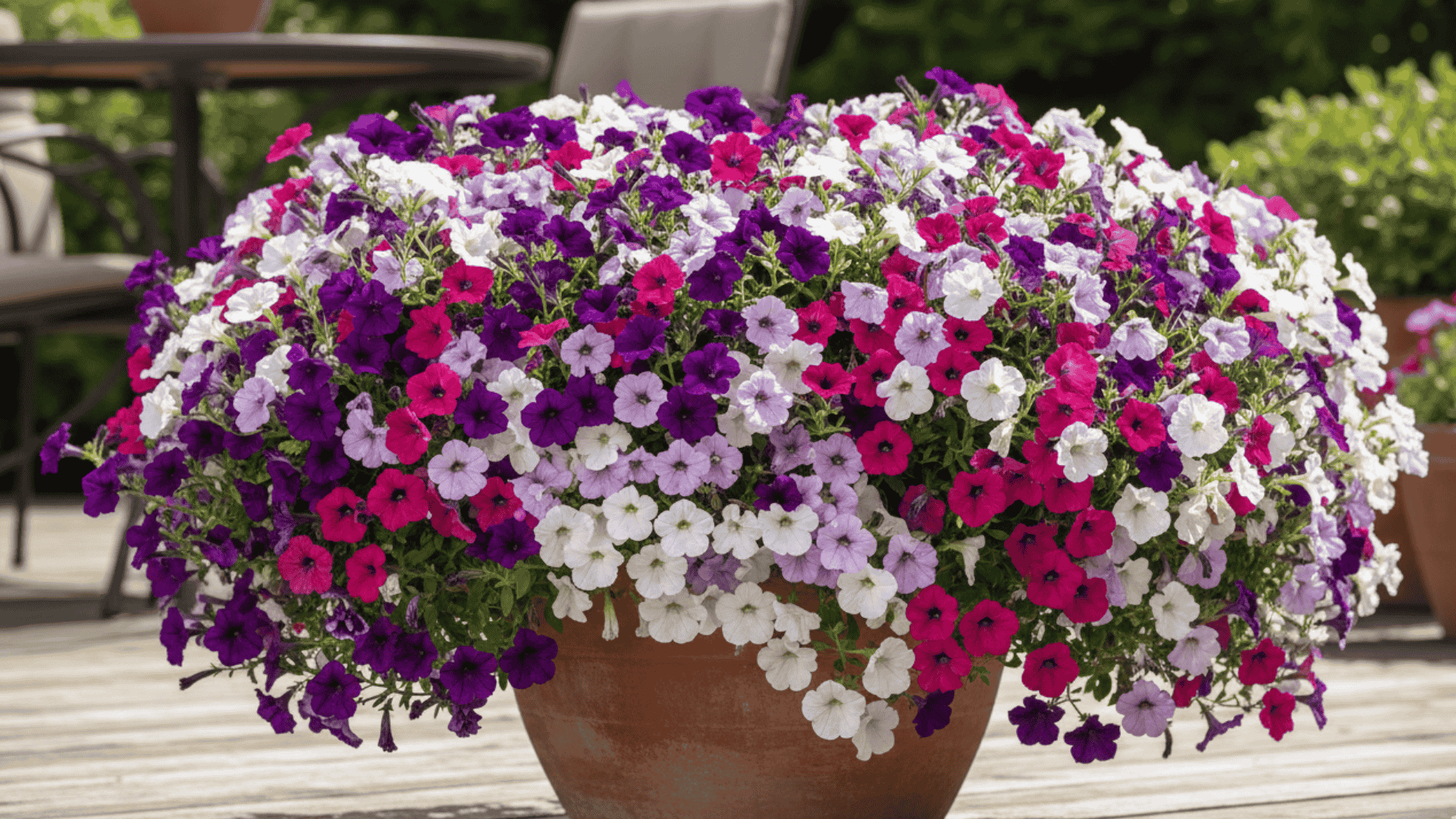
Petunias are reliable flowering plants that bloom continuously from spring until fall frost. They come in many colors and patterns for every garden style. These flowers perform well in pots, hanging baskets, and border plantings. Petunias tolerate both heat and occasional dry periods.
How to Grow Petunias
- Start with transplants from nurseries rather than seeds for faster results.
- Plant in full sun locations with well-draining soil for best performance.
- Water the soil surface when it dries and apply liquid fertilizer every 2 weeks.
- Pinch back leggy stems midseason to encourage bushier growth and more blooms.
7. Black-Eyed Susans
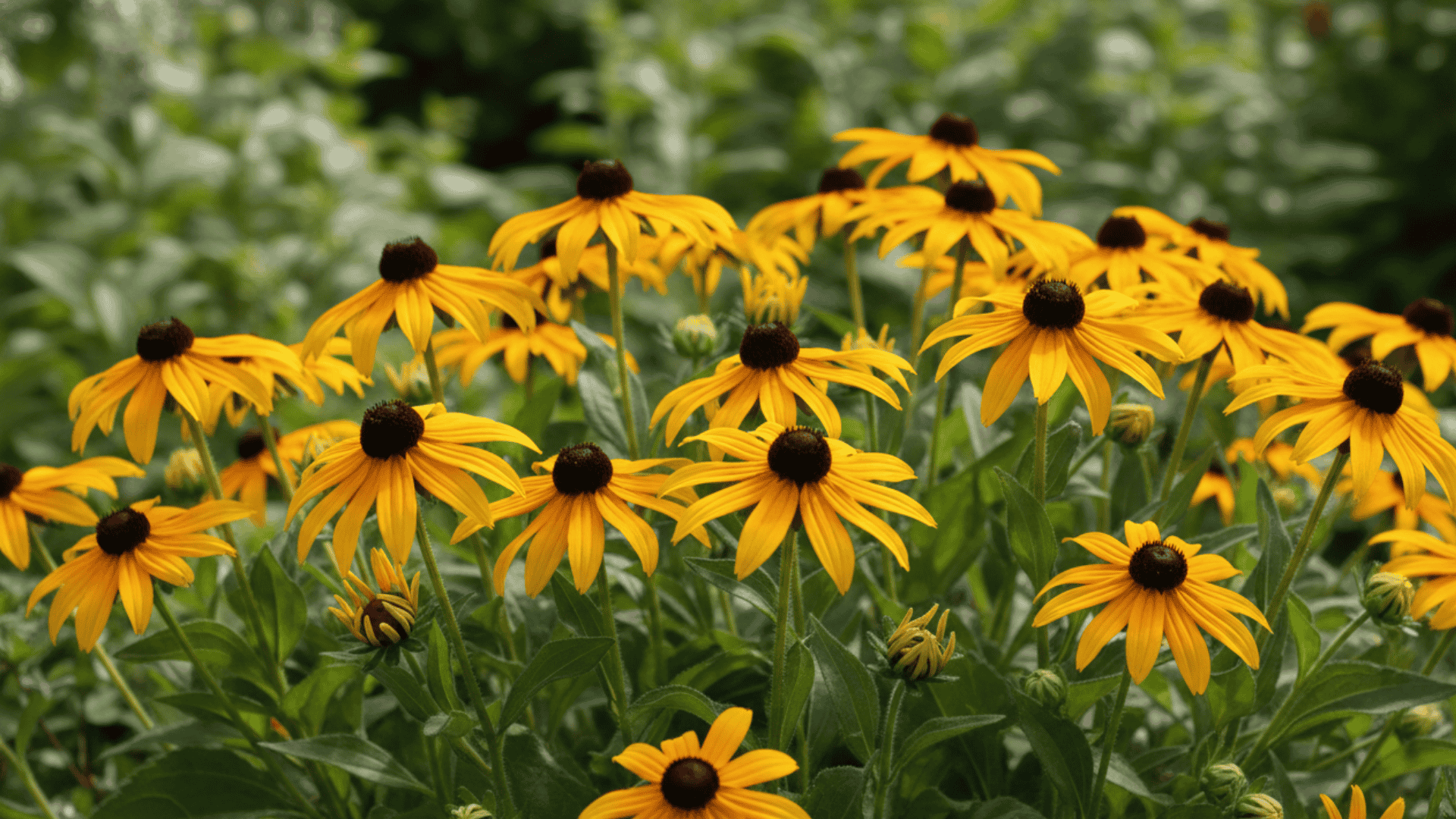
Black-Eyed Susans are hardy perennials that return each year with golden petals and dark centers. They bloom from mid-summer through fall without much attention. These plants tolerate poor soil, drought, and even light shade. Black-Eyed Susans spread gradually to fill bare spots naturally.
How to Grow Black-Eyed Susans
- Plant nursery transplants in spring or sow seeds directly in early summer.
- Choose locations with full sun to partial shade and average soil.
- Water during establishment for the first month, then only during extended droughts.
- Divide clumps every 3 years to maintain vigor and prevent overcrowding.
8. Coneflowers
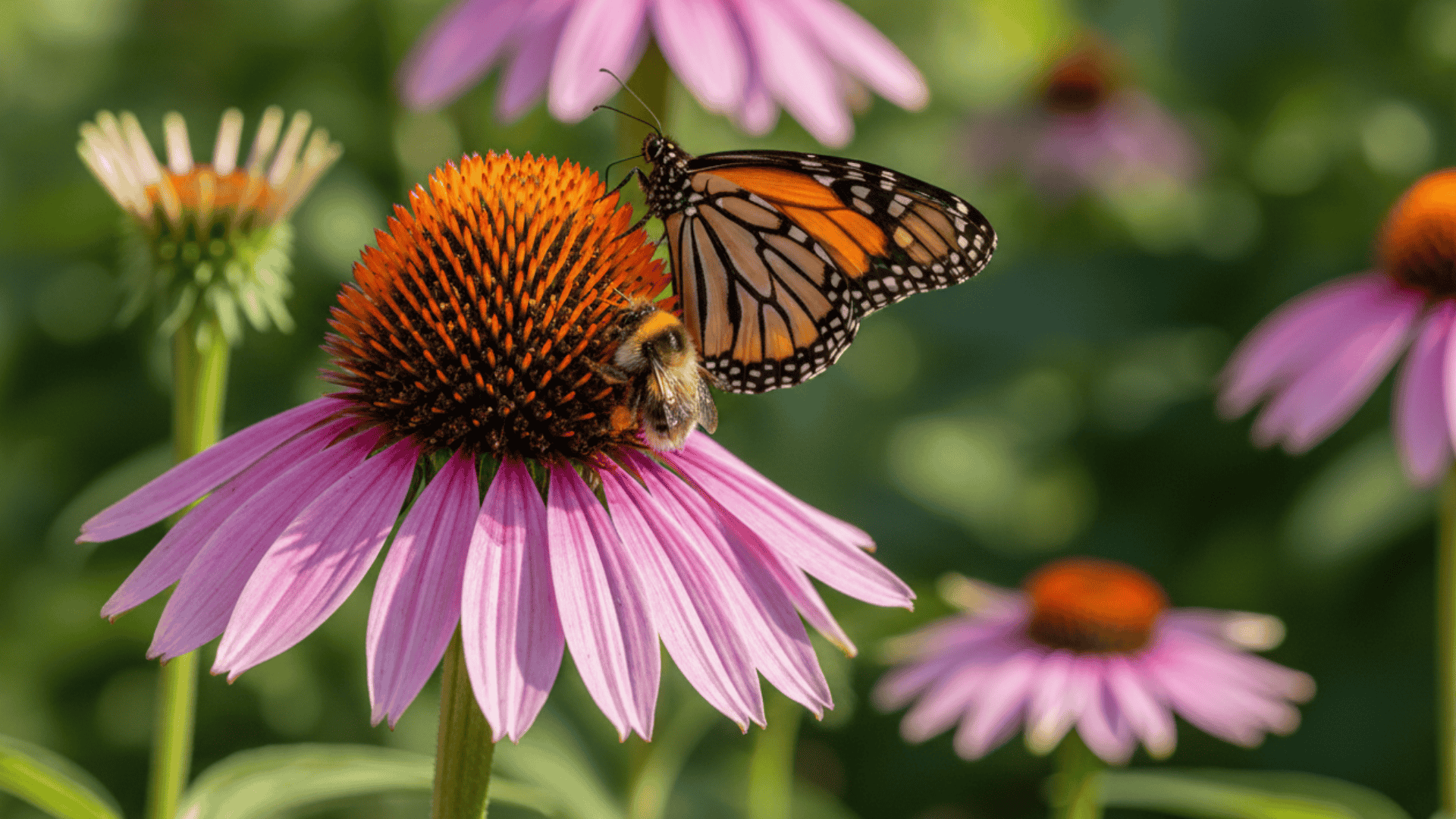
Coneflowers are strong, drought-tolerant plants with colorful petals surrounding raised centers. They bloom for weeks and attract butterflies and bees to your garden. These perennials survive harsh conditions that would kill less hardy flowers. Coneflowers also make long-lasting cut flowers for arrangements.
How to Grow Coneflowers
- Plant in spring or fall using transplants or seeds directly in the ground.
- Select sunny spots with well-draining soil for optimal growth.
- Water regularly during the first season, then only during severe droughts.
- Leave seed heads standing in fall to feed birds and provide winter interest.
9. Sweet Alyssum
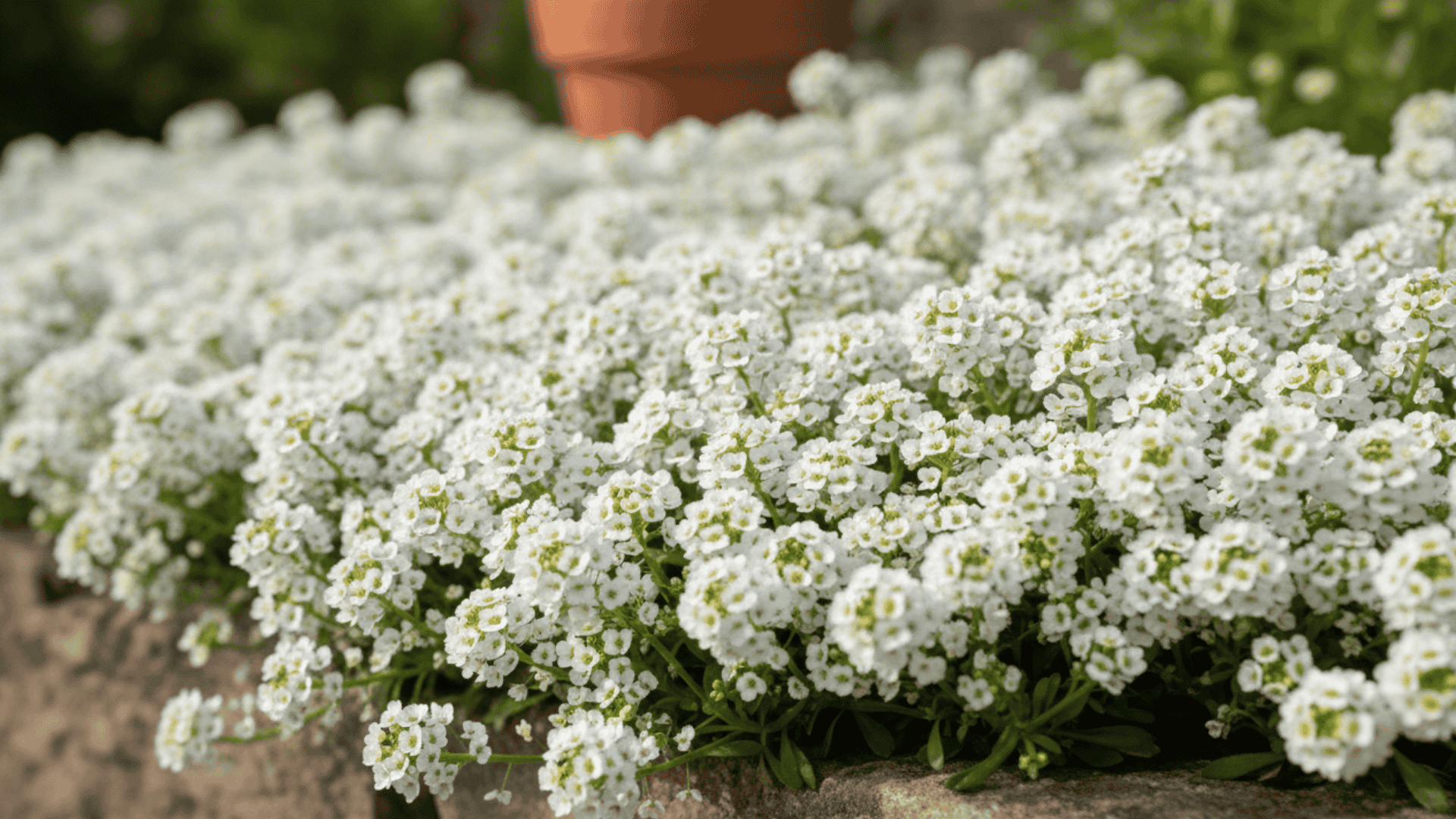
Sweet Alyssum grows as an easy ground cover with clusters of tiny white, pink, or purple flowers. These plants spread quickly to fill empty spaces between larger plants. They release a honey-like fragrance that attracts beneficial insects. Sweet Alyssum tolerates light foot traffic in pathways.
How to Grow Sweet Alyssum
- Sprinkle seeds directly on the soil surface after frost danger passes in spring.
- Keep soil moist until seedlings appear, usually within 7 to 10 days.
- Plant in full sun to partial shade, in well-drained soil.
- Shear plants back in midsummer if flowering slows to promote fresh growth.
10. Calendula
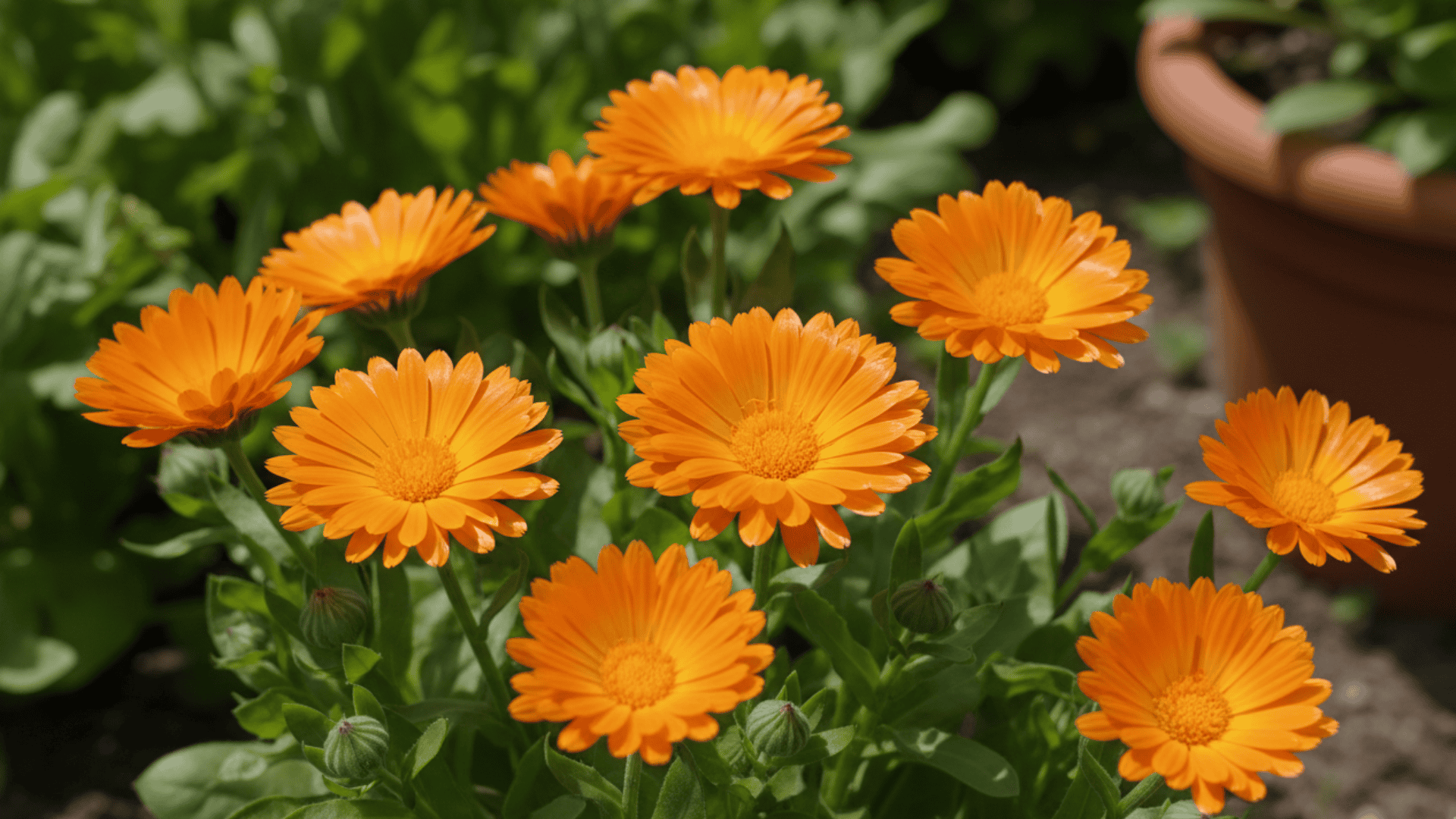
Calendula flowers grow well in cool seasons and produce cheerful orange or yellow blooms. They tolerate frost and often bloom into late fall or early winter. These flowers grow quickly from seed with high germination rates. Calendula petals are edible and have been used medicinally for centuries.
How to Grow Calendula
- Sow seeds directly in early spring or late summer for fall blooms.
- Plant in full sun with average soil that drains reasonably well.
- Water moderately and avoid overwatering, as overwatering can cause root rot.
- Harvest flowers regularly to encourage more buds and extend the blooming period.
11. Bachelor’s Buttons
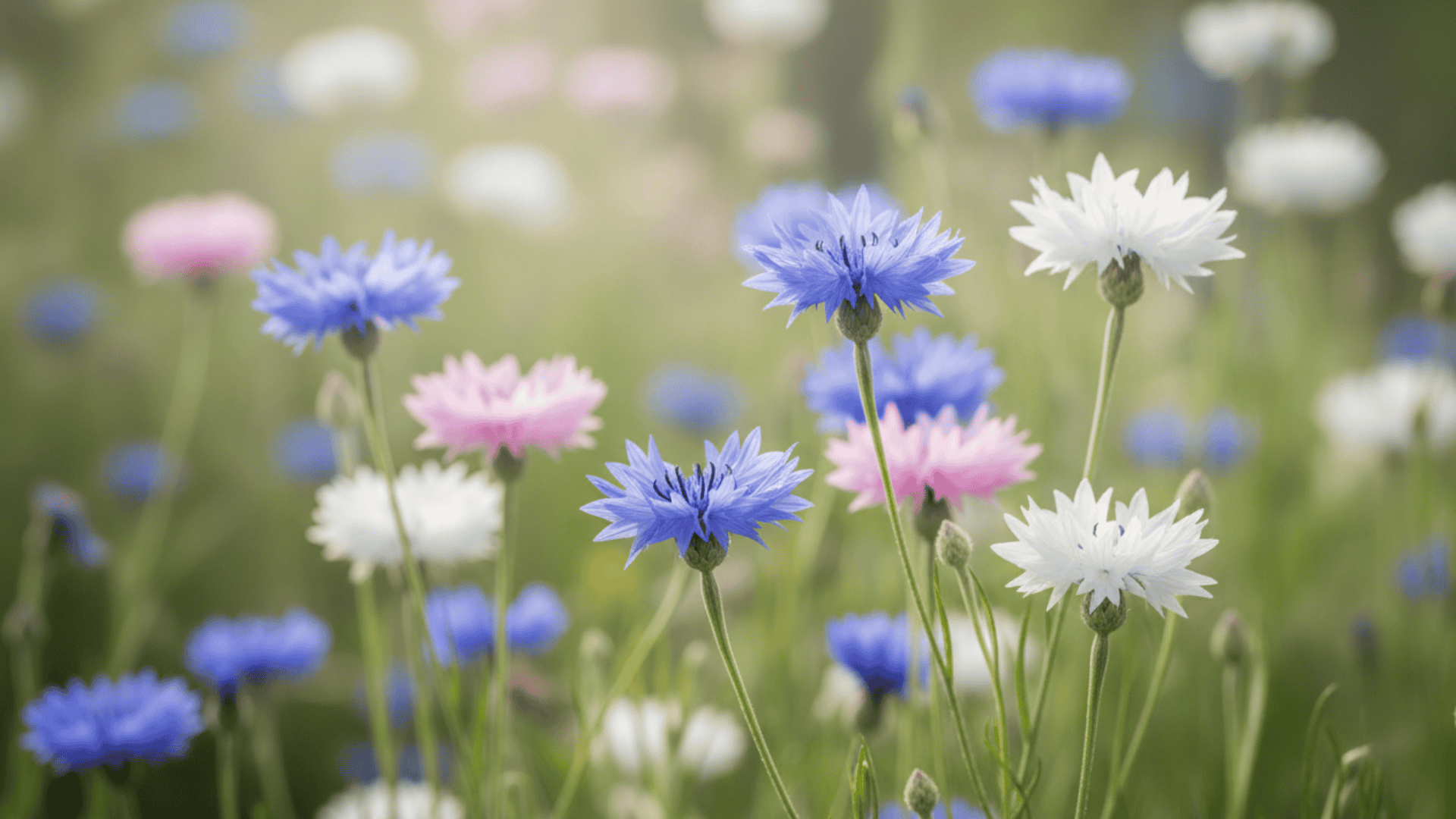
Bachelor’s Buttons grow quickly with simple care requirements and bloom in blue, pink, or white. They thrive in average garden soil without amendments or special treatments. These flowers self-seed freely and may reappear next year without replanting. Bachelor’s Buttons work well as filler flowers in mixed bouquets.
How to Grow Bachelor’s Buttons
- Plant seeds in fall or early spring directly where you want them to grow.
- Space seeds 6 to 12 inches apart in full sun locations.
- Water occasionally since these plants tolerate dry conditions once established.
- Cut flowers frequently for indoor use while encouraging more buds to form.
12. Daylilies
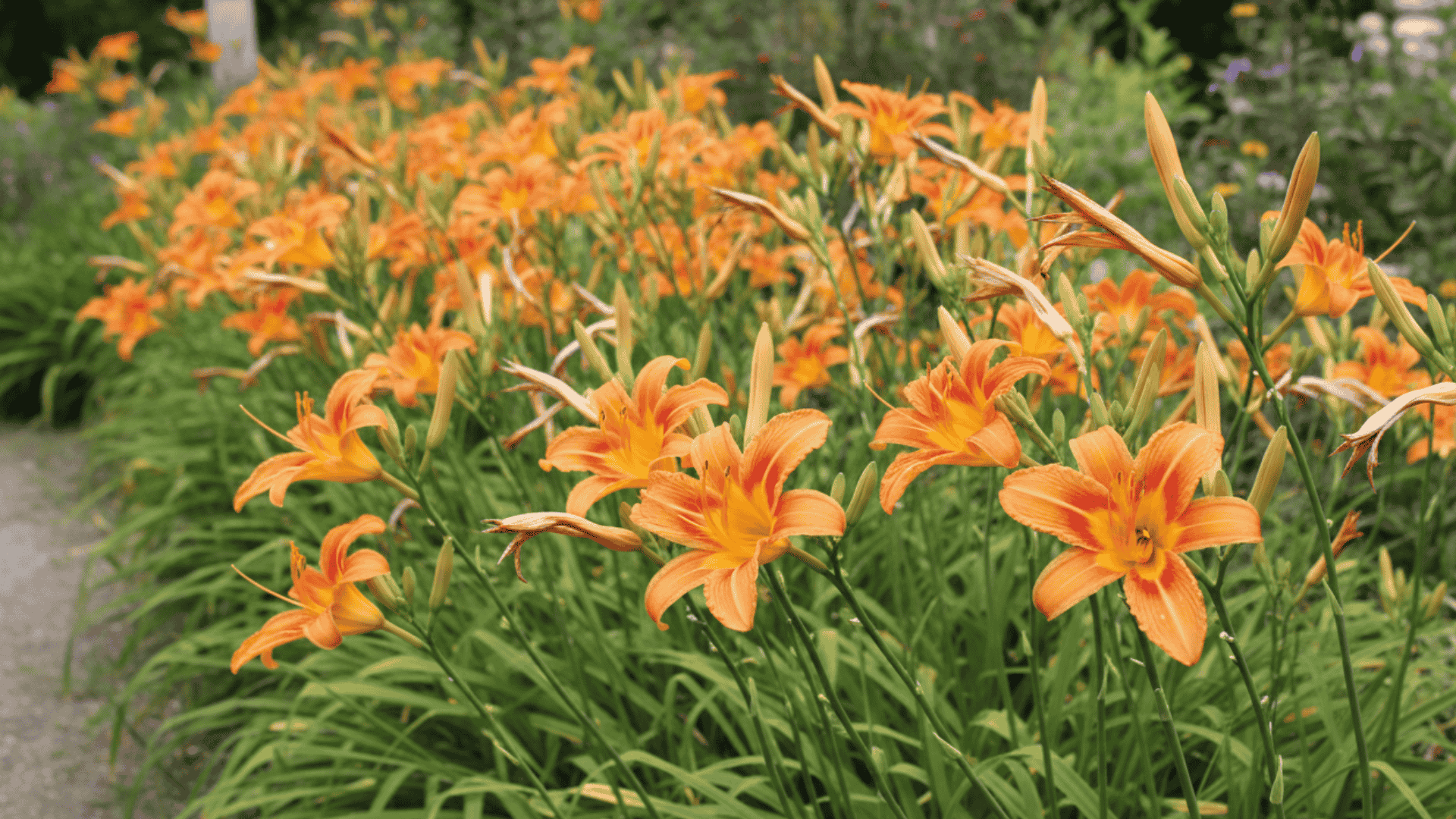
Daylilies are extremely forgiving perennials that survive neglect, poor soil, and irregular watering. Each flower lasts only one day, but plants produce many buds over several weeks. They multiply quickly and form thick clumps that suppress weeds. Daylilies come in hundreds of colors and bloom times.
How to Grow Daylilies
- Plant bare roots or transplants in spring or fall in any garden location.
- Dig holes slightly larger than the root system and spread roots outward.
- Water during dry periods, though established plants tolerate drought well.
- Divide overcrowded clumps every 4 to 5 years to maintain blooming vigor.
13. Geraniums
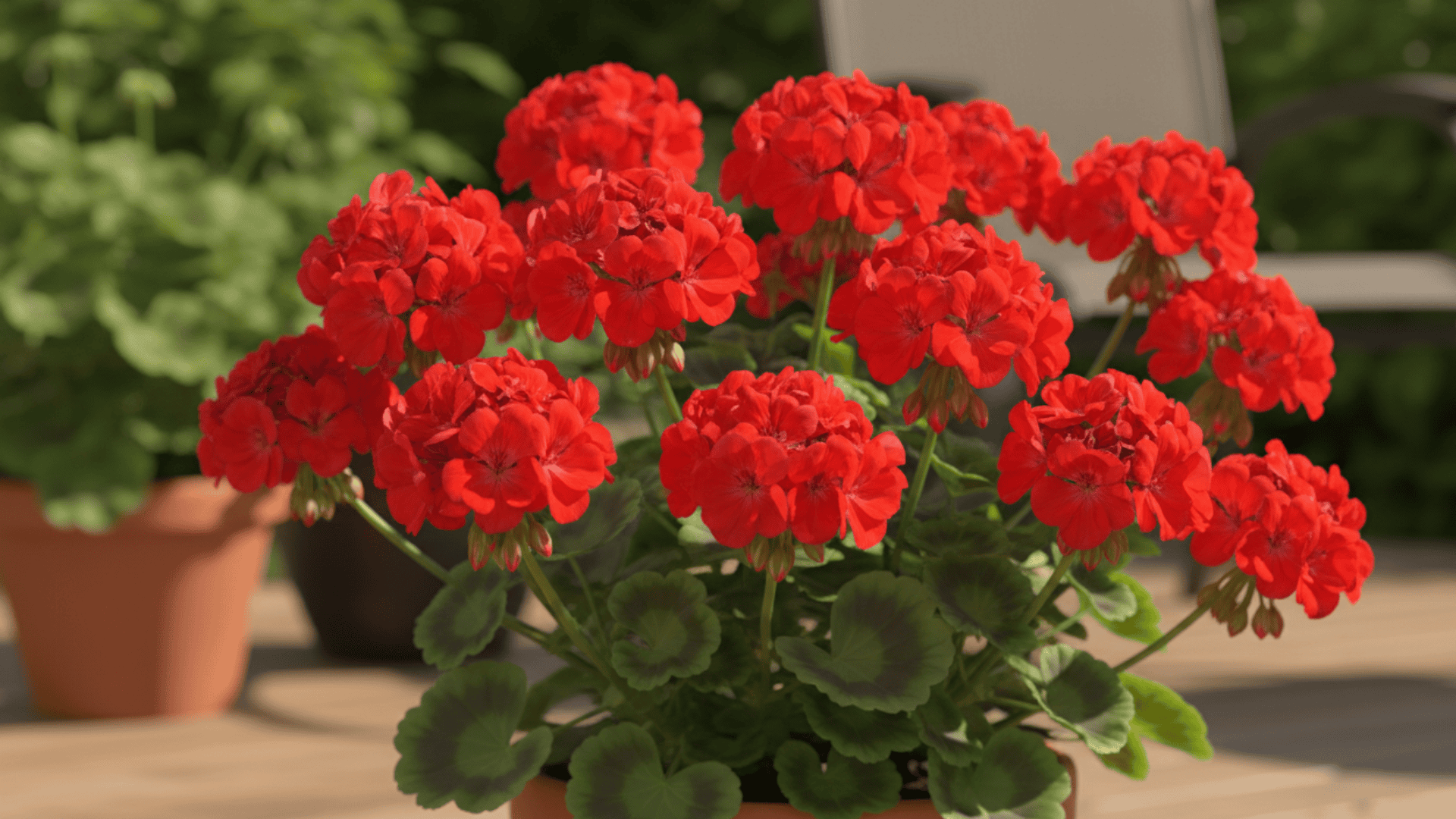
Geraniums are low-maintenance favorites that bloom reliably in containers and sunny garden spots. They produce clusters of flowers in red, pink, white, or salmon shades. These plants tolerate heat and dry conditions better than many annual flowers. Geraniums can overwinter indoors in cold climates if you bring them inside.
How to Grow Geraniums
- Start with nursery plants rather than seeds for quicker flowering results.
- Plant in full sun using well-draining potting mix or garden soil.
- Water the soil when it feels dry to the touch, but avoid soggy conditions.
- Remove dead flower clusters regularly to keep plants blooming continuously.
14. California Poppies

California Poppies are self-seeding flowers that return year after year with minimal intervention. They produce bright orange, yellow, or red blooms that open in sunshine. These flowers thrive in poor soil where other plants struggle. California Poppies need almost no watering once their roots establish.
How to Grow California Poppies
- Scatter seeds directly on bare soil in fall or early spring.
- Choose locations with full sun and excellent drainage for best results.
- Avoid watering after establishment since these plants prefer dry conditions.
- Let plants self-seed at season’s end for natural reappearance next year.
How Long Does Easy Flowers Take to Bloom
Knowing bloom times helps you plan your garden and manage expectations. Some flowers show color within weeks, while others need more patience before their first blooms appear.
| Bloom Speed | Time to First Blooms | Flowers |
|---|---|---|
| Fast Bloomers | 4-6 weeks from planting | Zinnias, Marigolds, Sunflowers, Nasturtiums, Sweet Alyssum, Bachelor’s Buttons, California Poppies |
| Moderate Bloomers | 8-10 weeks from planting | Cosmos, Petunias, Calendula, Geraniums |
| Perennials (First Year) | May not bloom until Year 2 | Black-Eyed Susans, Coneflowers, Daylilies |
Why Perennials Need Patience the First Year
Perennials focus on building strong root systems during their first season. They often produce few or no blooms in year one.
This energy goes underground to establish healthy roots for years of flowering ahead. By the second year, these plants bloom abundantly and return stronger each season.
The wait pays off with flowers that come back reliably without replanting.
Basic Maintenance for Continuous Flower Blooms
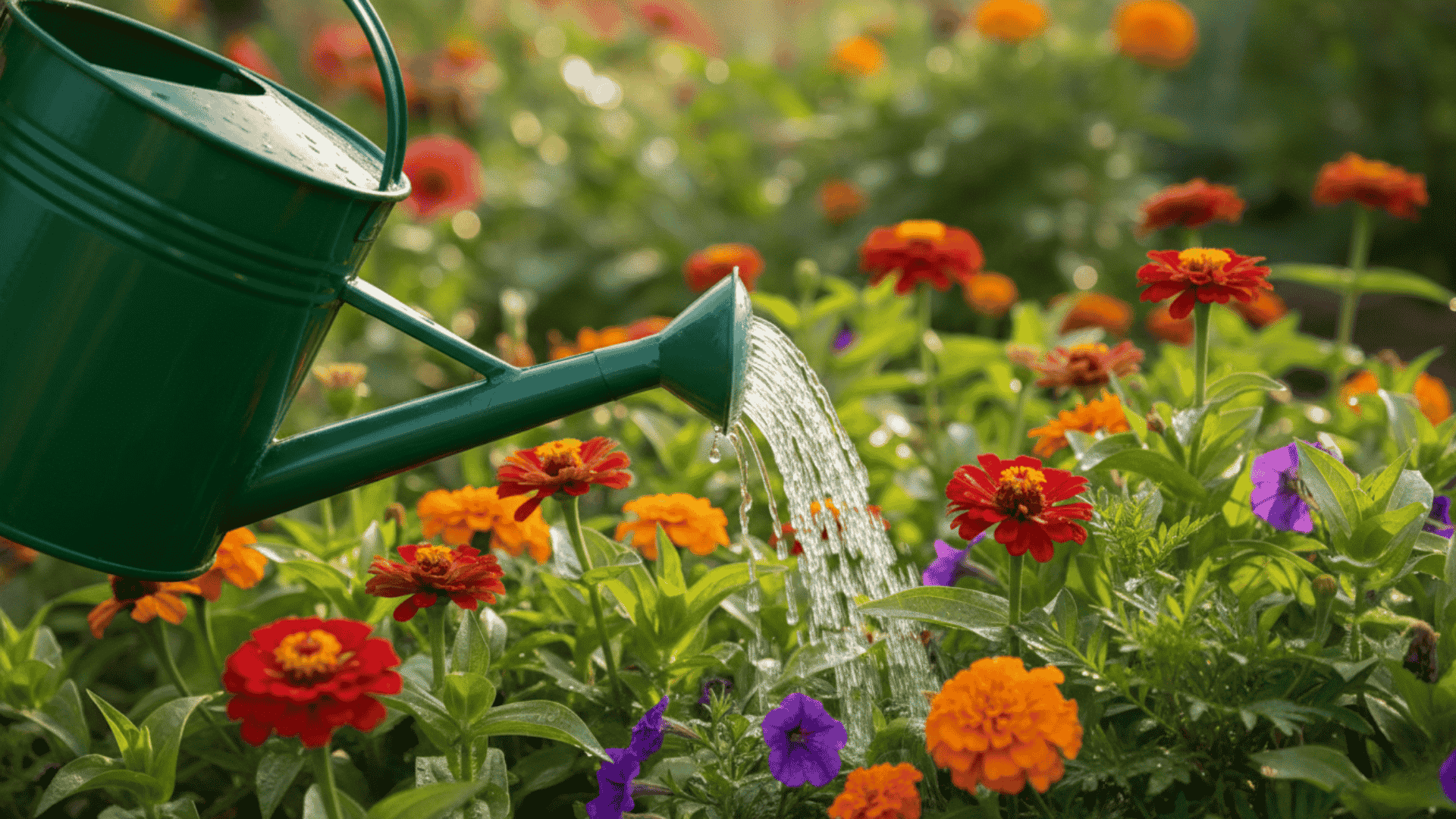
Easy flowers to grow need basic care to look their best throughout the season. Following a few simple practices ensures continuous blooms without spending hours in the garden.
1. Water Deeply but Less Often
Deep watering encourages roots to grow downward, making plants more drought-resistant over time. Water the base of plants early in the morning to reduce the risk of disease. Most flowers need about 1 inch of water per week from rain or irrigation.
2. Deadhead Spent Blooms Regularly
Removing faded flowers redirects energy from seed production back into making new blooms. Pinch or snip off dead flower heads once or twice per week during peak season. This simple task extends the blooming period by several weeks for most annuals.
3. Apply Fertilizer Sparingly
Too much fertilizer creates leafy growth with fewer flowers on most plants. Use a balanced, slow-release fertilizer once at planting time for annuals. Feed container plants with diluted liquid fertilizer every 2 to 3 weeks since nutrients wash out faster.
4. Add Mulch Around Plants
A 2 to 3-inch layer of mulch keeps soil moist, suppresses weeds, and regulates temperature. Apply organic mulch, such as shredded bark or compost, around established plants in spring. Keep mulch a few inches away from plant stems to prevent rot.
5. Cut Back Overgrown Plants
Trimming leggy stems midseason promotes bushier growth and more frequent flowering in many annuals. Shear back petunias, alyssum, and cosmos by one-third if they stop blooming heavily. Cut perennials to ground level after frost kills the foliage in fall.
When to Plant Easy Flowers in the USA
Timing depends on your location and the type of flower you choose. Annual flowers like zinnias, marigolds, and sunflowers should go in the ground after your last spring frost date.
This usually falls between March and May, depending on your region. Perennials like daylilies, coneflowers, and black-eyed susans can be planted in spring or fall.
Cool-season flowers such as calendula and sweet alyssum tolerate light frost and can start in early spring or late summer.
Check your USDA hardiness zone to find your local frost dates. Most seed packets include specific timing recommendations on the back.
Final Thoughts
Growing easy flowers doesn’t require a green thumb or years of experience. These flowers forgive mistakes, survive inconsistent care, and reward you with blooms that last weeks or months.
Start with just two or three varieties that match your sunlight and space. Plant them after your last frost, water when the soil feels dry, and watch them grow without stress or complicated routines.
Your garden doesn’t need to be perfect to look beautiful. Pick up seeds or transplants this weekend and get them in the ground.
Which flower will you try first? Share your choice in the comments below, and let us know how your garden grows this season.