Strawberries have a way of messing with your head. They seem simple at first. Then the season starts, and suddenly nothing feels predictable. Bugs show up. Leaves fade. Fruit comes out uneven.
I’ve learned that most of this comes from stress in the growing space, not bad luck. Strawberry companion plants are not about fancy tricks or perfect pairings. They are about calming things down so strawberries can do what they do best.
When the environment feels balanced, growth steadies and problems slow way down.
In this post, I’ll walk you through the plants that actually help, the ones that quietly cause trouble, and how to arrange everything so it works in a real garden, not just on paper.
Let’s start with a clear, no-nonsense overview.
Quick Answer: Best Companion Plants for Strawberries
If you want the short version before we go deeper, here it is.
Strawberries grow best alongside plants that reduce pests, support pollination, and avoid competing for space.
Good companion plants include:
- Herbs like thyme, chives, basil, dill, and cilantro
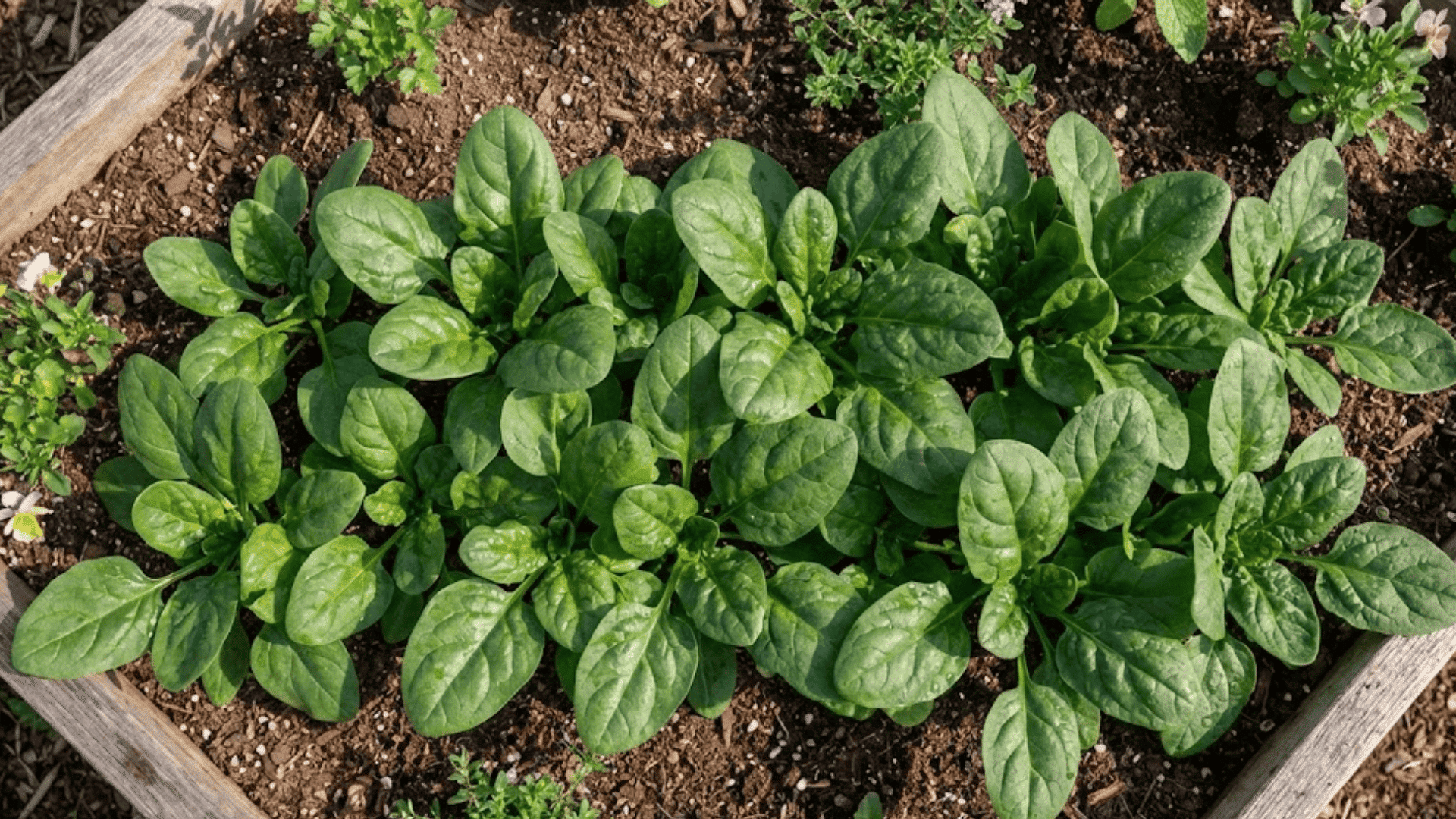
- Vegetables like lettuce, spinach, beans, peas, and asparagus
- Flowers like marigolds, sweet alyssum, nasturtiums, and yarrow
Plants that often cause problems include brassicas like broccoli and cabbage, plus garlic and onions in tight spaces.
Now let’s break down why these work and how to actually use them.
How Companion Planting Helps Strawberries in Real Gardens
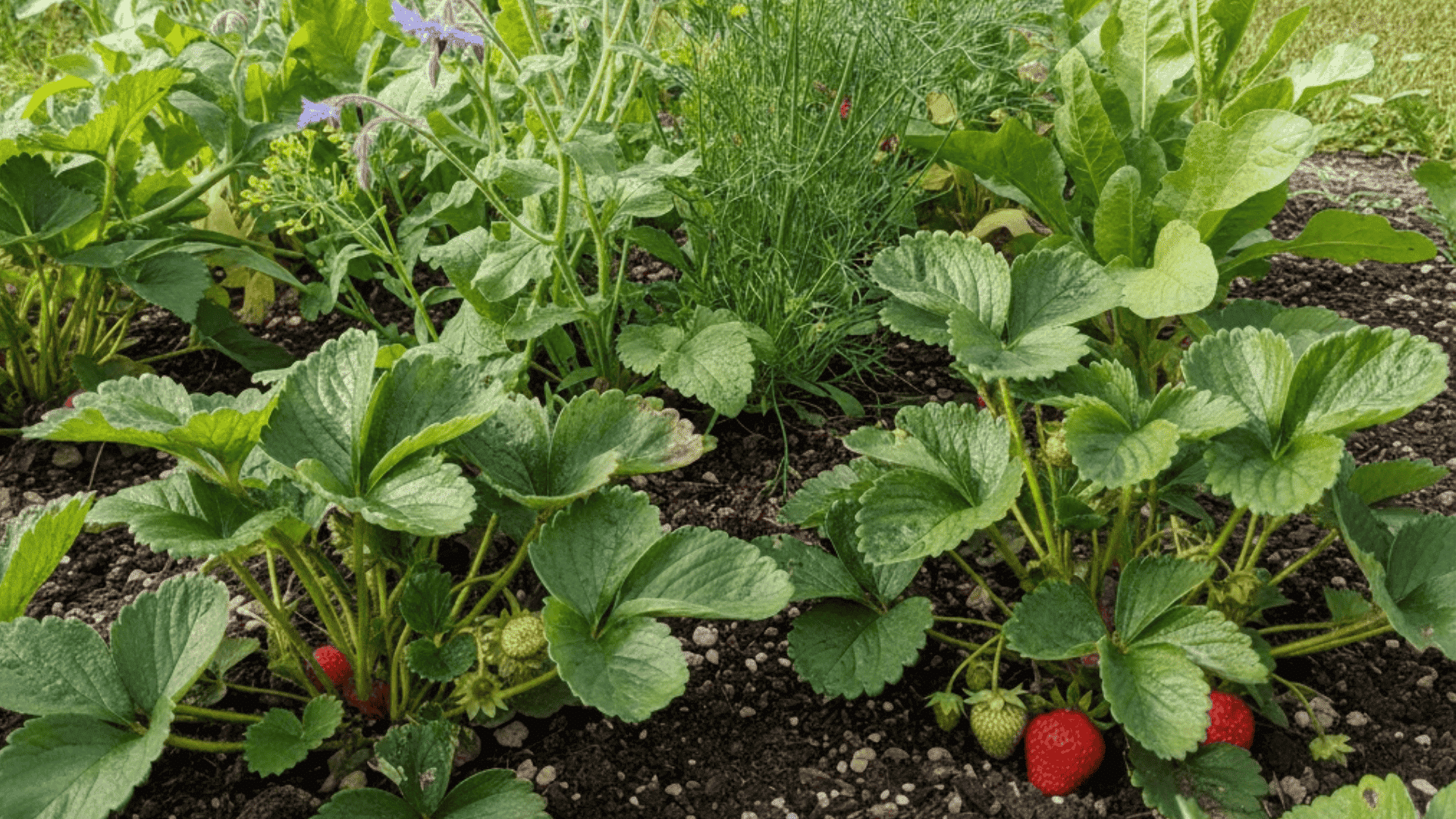
Strawberries are shallow-rooted and sensitive plants. They react fast to their environment. When something feels off, they don’t hide it. Leaves lose color. Growth slows. Fruit quality drops.
Companion planting works when it lowers stress instead of increasing competition. That’s the core idea to keep in mind.
The mistake most people make is treating companion planting like a recipe. Add this. Add that. More plants must mean better results.
In reality, strawberries respond best when their space feels calm and predictable. Companion planting should shape the environment around the plant, not overwhelm it.
1. Reducing Pest Pressure by Breaking Patterns
Most garden pests are not random. They follow patterns. They rely on scent, visibility, and repetition. A neat row of strawberries sends a clear signal that food and shelter are available. That makes it easy for pests to move in and stay.
Companion plants disrupt those signals in a few simple ways:
- Strong-smelling herbs interfere with scent trails
- Flowers change visual cues in the bed
- Trap plants pull pests away from strawberries
This does not eliminate pests completely. That is not the goal. The goal is to prevent pests from settling in and multiplying. When insects keep moving instead of nesting, damage stays limited and manageable.
2. Supporting Pollination in A Natural Way
Pollination issues show up as uneven or misshapen berries. That usually means flowers were only partially pollinated. This often happens when strawberries are the only blooming plants nearby.
When companion flowers are present:
- Pollinators stay in the area longer
- Movement between plants increases
- Flowers receive more consistent visits
You don’t need to manage pollinators directly. You just need to give them a reason to linger. Companion plants do that quietly and effectively.
3. Stabilizing Soil and Moisture Conditions
Strawberry roots sit close to the soil surface. That makes them sensitive to heat, drying, and compaction. Companion plants help smooth out these extremes.
They do this by:
- Shading soil and reducing evaporation
- Pulling nutrients from deeper soil layers
- Improving soil structure over time
When moisture and temperature stay more consistent, strawberries grow more steadily and handle stress better.
Companion Plants that Work Well with Strawberries
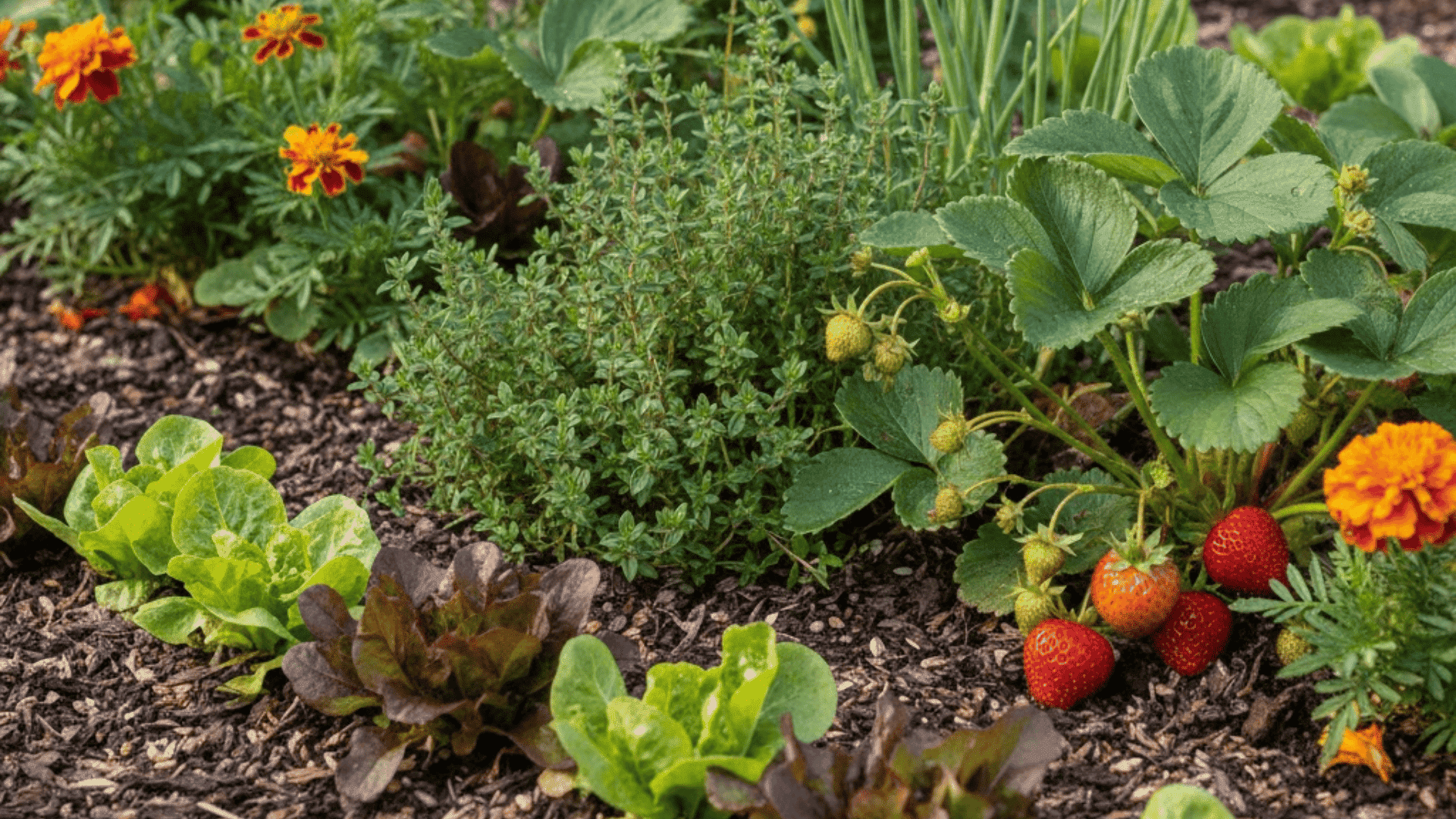
Instead of memorizing long lists, it helps to think in terms of roles. Each companion plant should solve a problem or support a need. Most gardens only need a few well-chosen companions.
Herbs that Support without Competing
Herbs are often the easiest companions to add. Most stay compact, tolerate close planting, and recover quickly from stress. They tend to blend into the system instead of dominating it.
Common herb companions include:
- Thyme, which spreads lightly and helps cover bare soil
- Chives, which add scent that confuses pests
- Basil, which helps reduce general insect pressure
- Dill and cilantro, which attract beneficial insects
- Borage, which supports pollinators and garden activity
Herbs usually fill gaps rather than crowd strawberries, which keeps competition low.
Vegetables and Legumes that Respect Space
Some vegetables work well simply because they grow differently than strawberries. They use space efficiently without competing for the same resources.
Reliable options include:
- Lettuce and spinach, which grow fast and shade soil
- Beans and peas, which support soil health
- Asparagus, which grows deep and avoids root conflict
These plants coexist quietly, which is exactly what strawberries prefer.
Flowers that Influence Insect Behavior
Flowers play a major role in how insects move through the garden. They add visual and scent signals that shape behavior.
Helpful flower companions include:
- Marigolds, which help reduce certain pest pressures
- Sweet alyssum, which attracts beneficial insects
- Nasturtiums, which act as distraction plants
- Yarrow, which supports pollinators
You don’t need many flowers. A small cluster or border is enough to shift the balance.
Companion Plant Cheat Sheet
Use this as a quick reference while planting or planning.
| Plant Type | Example | Main Benefit | Best Placement |
|---|---|---|---|
| Herb | Thyme | Soil cover and insect activity | Between plants |
| Herb | Chives | Pest confusion | Bed edges |
| Vegetable | Lettuce | Moisture retention | Near crowns |
| Legume | Beans | Soil support | Separate row |
| Flower | Marigold | Pest reduction | Bed borders |
| Flower | Nasturtium | Pest distraction | Outer edges |
This setup covers most home garden situations without overcrowding.
Plants that Add Stress Instead of Support
Not every plant belongs near strawberries. Some create constant competition that strawberries struggle to overcome.
Heavy Feeders that Compete Too Hard
Brassicas like broccoli and cabbage demand large amounts of nutrients and water. When planted near strawberries, they pull resources aggressively.
The result is:
- Slower strawberry growth
- Weaker plants
- Lower fruit quality
Once this imbalance starts, it is difficult to correct during the same season.
Why Garlic and Onions Cause Confusion
Garlic and onions often appear on both good and bad companion lists. The difference comes down to spacing and context.
In small gardens, raised beds, and containers:
- Roots compete for limited space
- Growth timing overlaps
- Strawberries often stall
In larger systems with careful spacing, results may vary. For most home gardeners, simpler companions are more reliable.
How to Arrange Companion Plants so They Actually Help
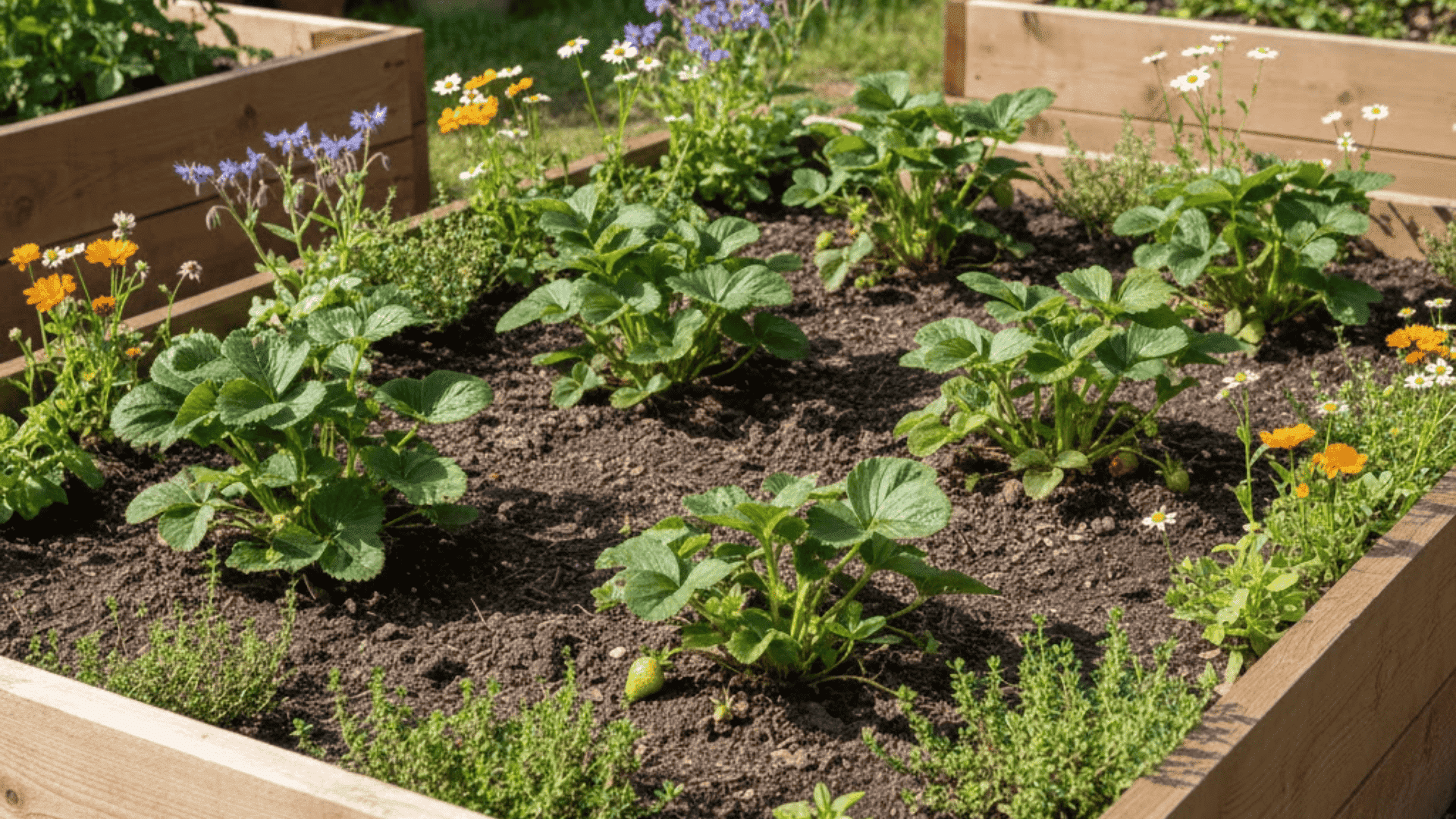
Plant choice matters, but layout determines whether those choices work. Even good companion plants can cause problems if spacing and airflow are ignored.
Raised Bed Layout Tips
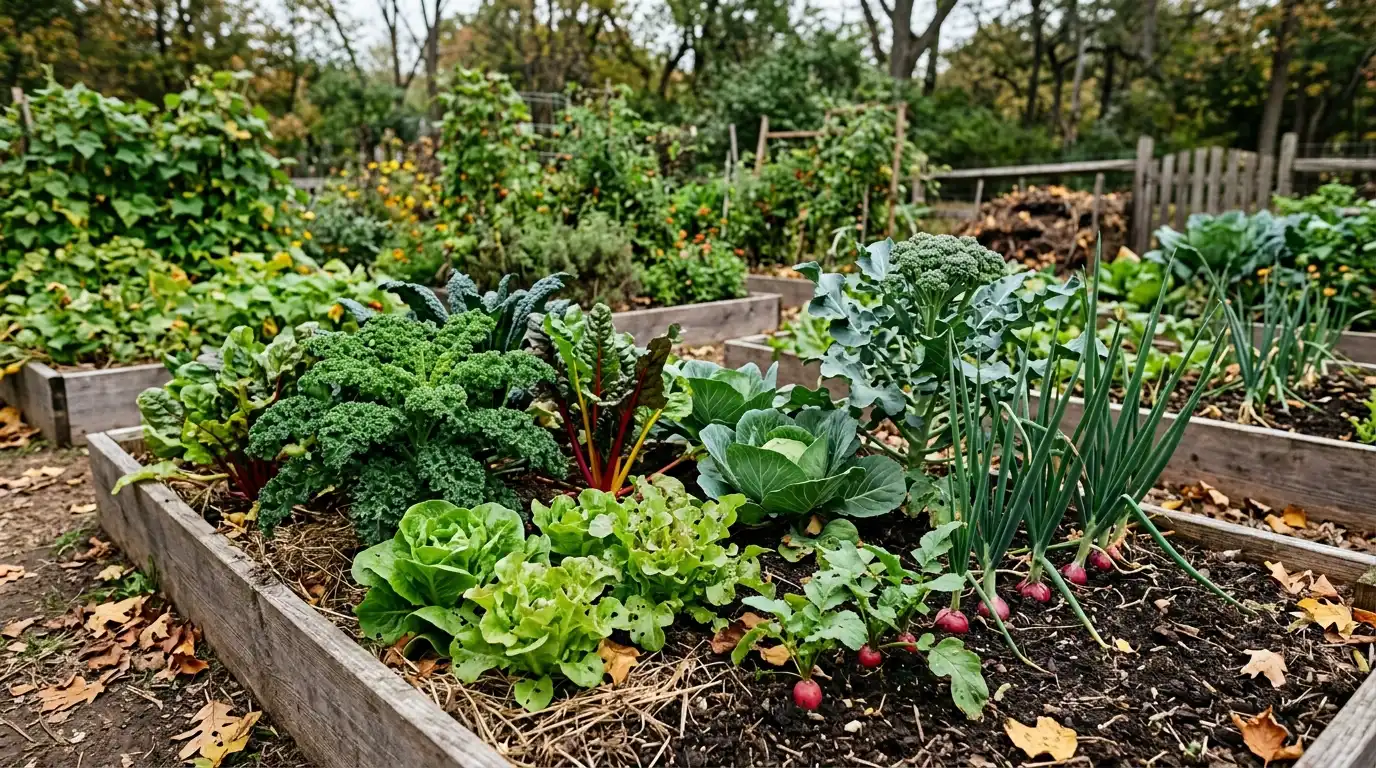
Raised beds fill up fast, which makes overcrowding easy. Clear spacing helps strawberries stay healthy and productive.
Taller plants should stay along the edges so strawberries are not shaded during key parts of the day.
Herbs or low flowers work best as borders because they support beneficial insects without crowding roots or blocking airflow.
It is also important to leave open space around strawberry crowns so air and light can reach them easily. Good airflow reduces disease risk and lowers overall plant stress.
In-Ground Garden Layout Tips
With more space available, loose patterns work well and are easier to adjust over time.
Planting strawberries in rows or small clusters makes spacing simpler and helps you see how plants respond as they grow. Low-growing companion plants can be placed nearby as long as they do not block sunlight.
Avoid long periods of shade, since consistent sun is needed for strong flowering and fruiting. Consistency matters more than complexity in larger garden spaces.
Small Gardens and Containers
Limited space requires restraint, especially when growing strawberries in containers or very small beds. One companion plant is usually enough to provide benefits without creating competition.
Adding too many plants increases pressure on water and nutrients, and stress shows up quickly when space is tight.
Simple layouts give strawberries the best chance to grow steadily and produce well over the season.
Seasonal Timing Matters More than People Think
Companion planting works best when timing is part of the plan. Strawberries need different support at different stages, and planting with the season in mind helps keep stress low.
| Season | What Strawberries Focus On | How Companion Plants Help |
|---|---|---|
| Early Season | Leaf and root growth | Fewer nearby plants reduce competition and help strawberries establish strong growth |
| Mid Season | Flowering and fruit formation | Flowers improve pollination while balanced spacing supports steady fruit development |
| Late Season | Managing heat and moisture | Ground cover shades soil and helps retain moisture during hotter periods |
When companions match what strawberries need at each stage, plants stay calmer and more productive. This approach keeps growth steady instead of forcing strawberries to adapt too fast.
Common Companion Planting Mistakes to Avoid
These patterns show up again and again, especially when gardeners try to do too much too fast instead of letting plants show what they need.
- Adding Too Many Companions At Once: Introducing multiple new plants together makes it hard to see what works, often leading to overcrowding, stress, and confusing results in the strawberry bed.
- Changing Layouts Mid-Season Without Observation: Rearranging plants too quickly interrupts growth patterns and prevents strawberries from adjusting, often creating more stress than the original setup caused.
- Copying Lists Without Considering Space: Following generic companion lists without accounting for bed size, airflow, and sunlight usually leads to competition rather than the balance strawberries need.
Slow, intentional changes make plant responses easier to read and help you build a setup that actually improves over time.
How to Start without Getting Overwhelmed
A simple approach works best:
- Add one herb near strawberries
- Add one flower nearby
- Keep spacing open and clean
Then observe before adding anything else.
Final Thoughts
Strawberry companion plants work best when you stop trying to control everything and start paying attention instead. The garden responds to patience more than force.
When you slow down and watch how plants interact, decisions get easier and mistakes get smaller.
You do not need perfect combinations or crowded beds. You need balance, space, and awareness.
Start with one thoughtful change this season. Let the plants respond before you react. That mindset builds confidence and leads to healthier results with strawberry companion plants.
Frequently Asked Questions
Do companion plants actually improve results?
They can, but the biggest benefit is consistency. Healthier plants handle pressure better. Pollination improves. Pest damage stays manageable. Over time, those small advantages stack up into better harvests.
Can companion plants be overused around strawberries?
Yes. Too many companions create competition for light, water, and nutrients. Strawberries perform best when companions are limited and carefully spaced.
How close should companion plants be to strawberries?
Companion plants should be close enough to provide benefits but not touching strawberry crowns. Leaving space for airflow helps prevent disease and reduces competition.