Some spaces feel good the second you walk in. Others feel off, even if you can’t say why. That’s not an accident. It’s how design works quietly shaping the way we feel in a room without making a big deal about it.
When I first got curious about types of interior design styles, I didn’t know how much they could say about a person or space. Turns out, each style gives off a different mood and purpose.
In this blog, you’ll get a clear look at the main interior design styles that people actually use and how they work. By the end, you’ll know what to look for, what fits your taste, and how to use that style to shape your space in a way that feels like you.
Why You Should Know Your Style Before You Start Decorating
Interior design styles aren’t just for fancy magazines or experts. They actually help make sense of what you like and how to put a room together. Each style shows a certain look and feeling like calm and simple, or bold and rich.
When you don’t have a style in mind before decorating, things can start to clash. One piece looks modern, another feels old-fashioned, and nothing really works together.
Knowing your style early on helps you make better choices. It saves time because you don’t waste hours shopping without a plan. It saves money because you don’t buy things that don’t fit. And it saves stress because you’re not guessing with every little detail.
Your style acts like a map. It helps you pick the right furniture, wall colors, layout, and even little things like lamps or drawer handles so the whole space feels right.
What Are Interior Design Styles?
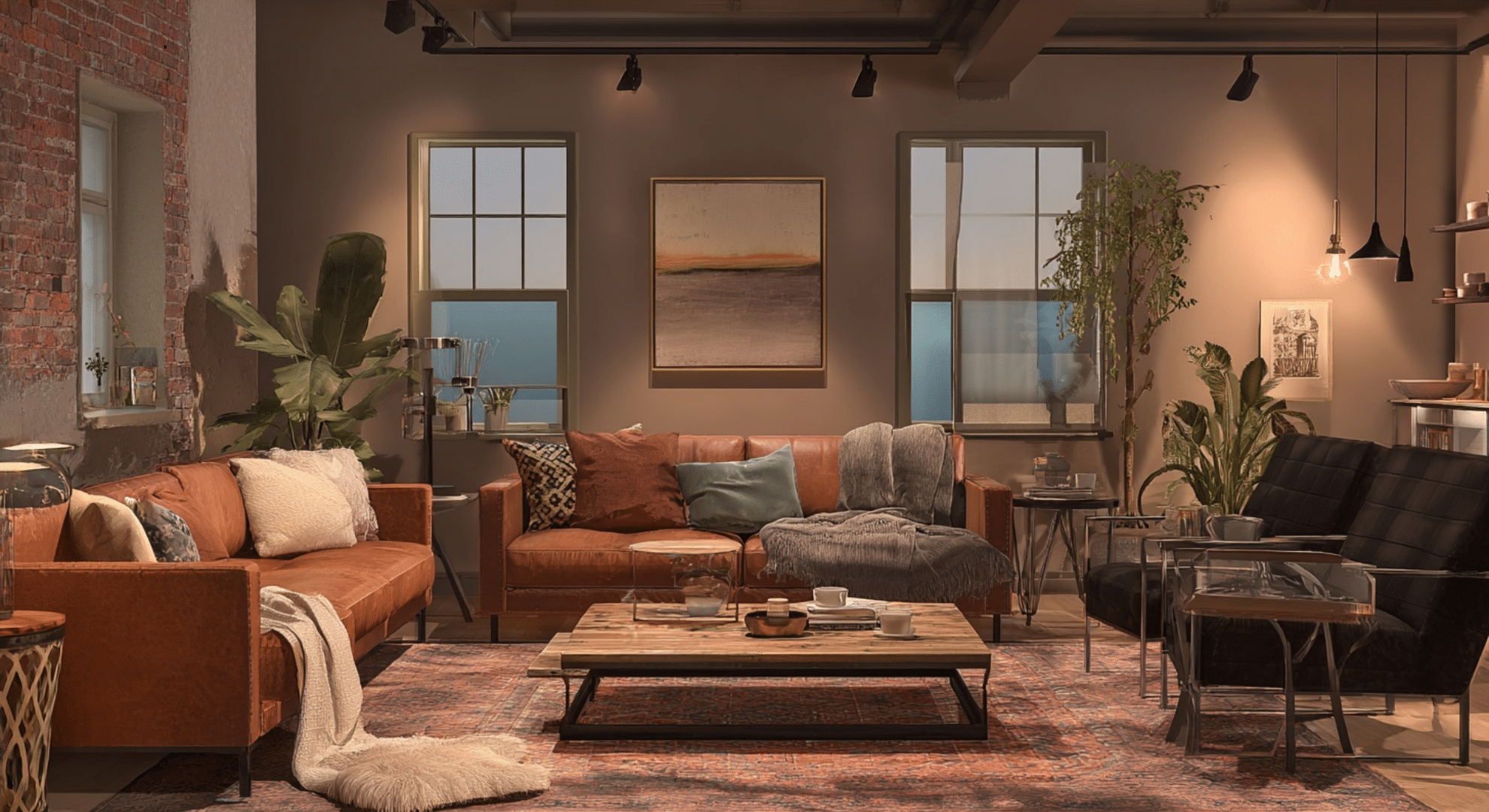
Interior design styles are like “personalities” for your space. Each one has its own look, feel, and way of using color, furniture, and layout. They help give a room a clear and steady vibe, instead of it feeling all over the place.
Styles are shaped by many things like history, culture, and the way people live. For example, some styles come from old traditions, like farmhouse or classic.
Others grow from certain places or ways of living, like coastal or industrial. Even the materials used wood, metal, fabric play a big part in shaping how a style looks and feels.
Over time, styles change. New ideas, tech, and trends make people see their spaces differently. That’s why today, most homes don’t stick to just one style. They mix and match. And that’s okay.
A little of this and that when done with care can still feel balanced, personal, and totally yours.
What Are the 7 Basics of Interior Design?
Before you pick furniture or paint colors, it helps to know the 7 basics that shape every well-designed space. These simple rules guide how a room feels, functions, and flows.
1. Space: This is the foundation. It’s about how much room you have both the empty space (open areas) and filled space (furniture and decor). A good design balances both.
2. Line: Lines create shape and movement. There are three types:
- Horizontal (tables, beds) – bring calm
- Vertical (doors, windows) – add height
- Dynamic (stairs, angles) – bring energy
3. Form: Form means shape. This includes the shape of furniture, decor, or even the whole room. You want a mix of soft (round) and sharp (square) forms for balance.
4. Light: Natural and artificial light both matter. Light affects mood, color, and how big or small a room feels.
5. Color: Color sets the tone. Soft tones calm, bright ones energize. The right colors pull a room together.
6. Texture: This is how things feel—soft, rough, smooth. Texture makes a space feel warm and layered.
7. Pattern: Patterns add interest. They can be bold or simple, like stripes, florals, or checks but should match the rest of the space.
All seven work together. When balanced well, they make a space feel complete, even if the style is simple.
The Main Types of Interior Design Styles You Should Know
Some design styles are used more than others and for good reason. They’ve stood the test of time, changed with people’s needs, and are easy to recognize. These styles aren’t just trends.
They’re strong design choices that shape how a room feels, looks, and works.
Below, you’ll find the most well-known interior design styles. Each one has its own strengths, and by knowing what makes them different, it becomes way easier to figure out what suits you best:
Modern Interior Design
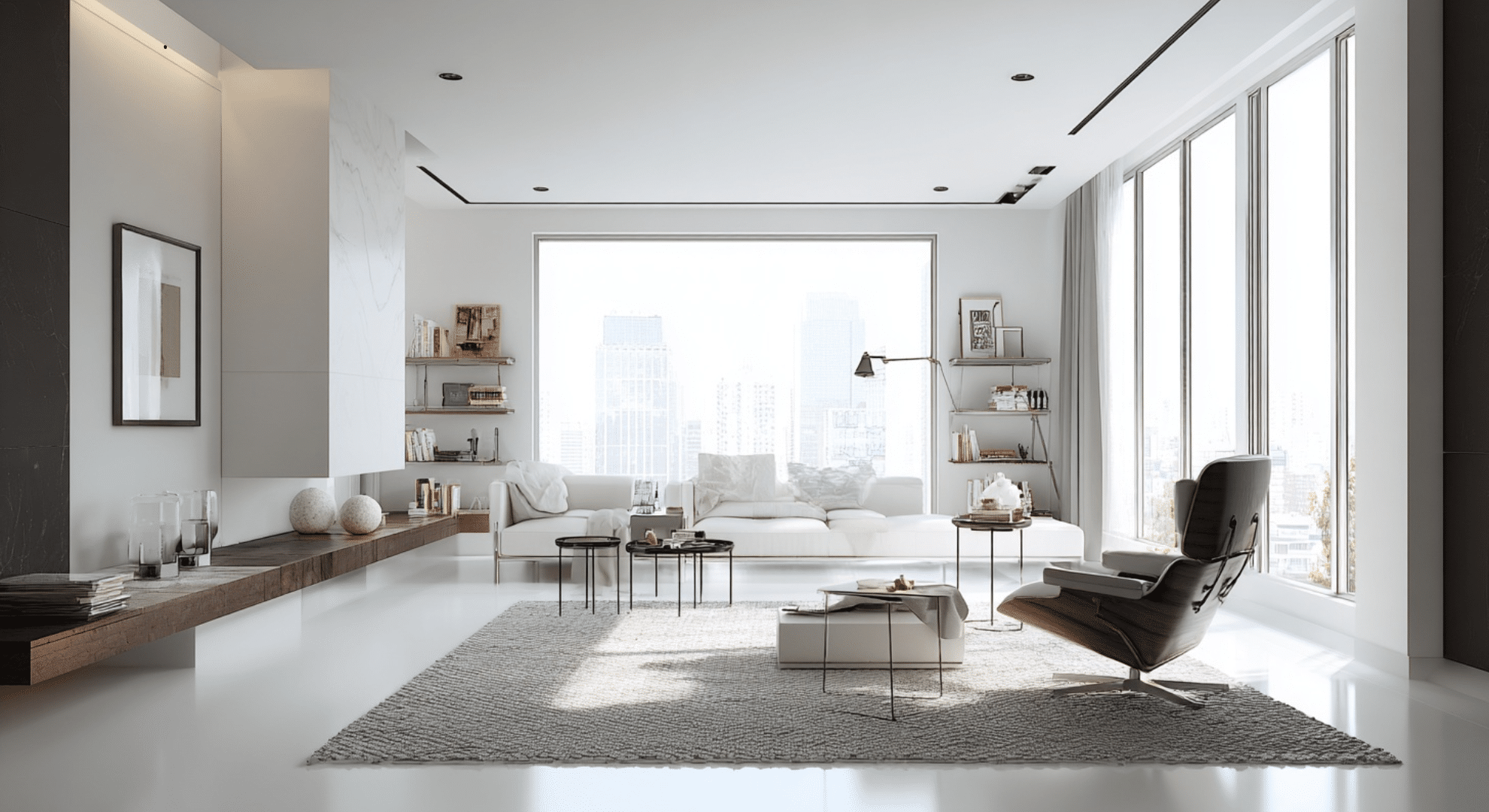
Modern design is clean, simple, and smooth. It focuses on straight lines, open spaces, and a “less is more” feeling. This style started in the early 1900s and still feels fresh today.
Typical colors and materials
Neutral colors like white, gray, and black are common. Materials often include metal, glass, and natural wood.
Who it works best for
This style is great if you like calm, clutter-free spaces that feel open and neat. If you enjoy structure and order, modern might fit you well.
Contemporary Interior Design
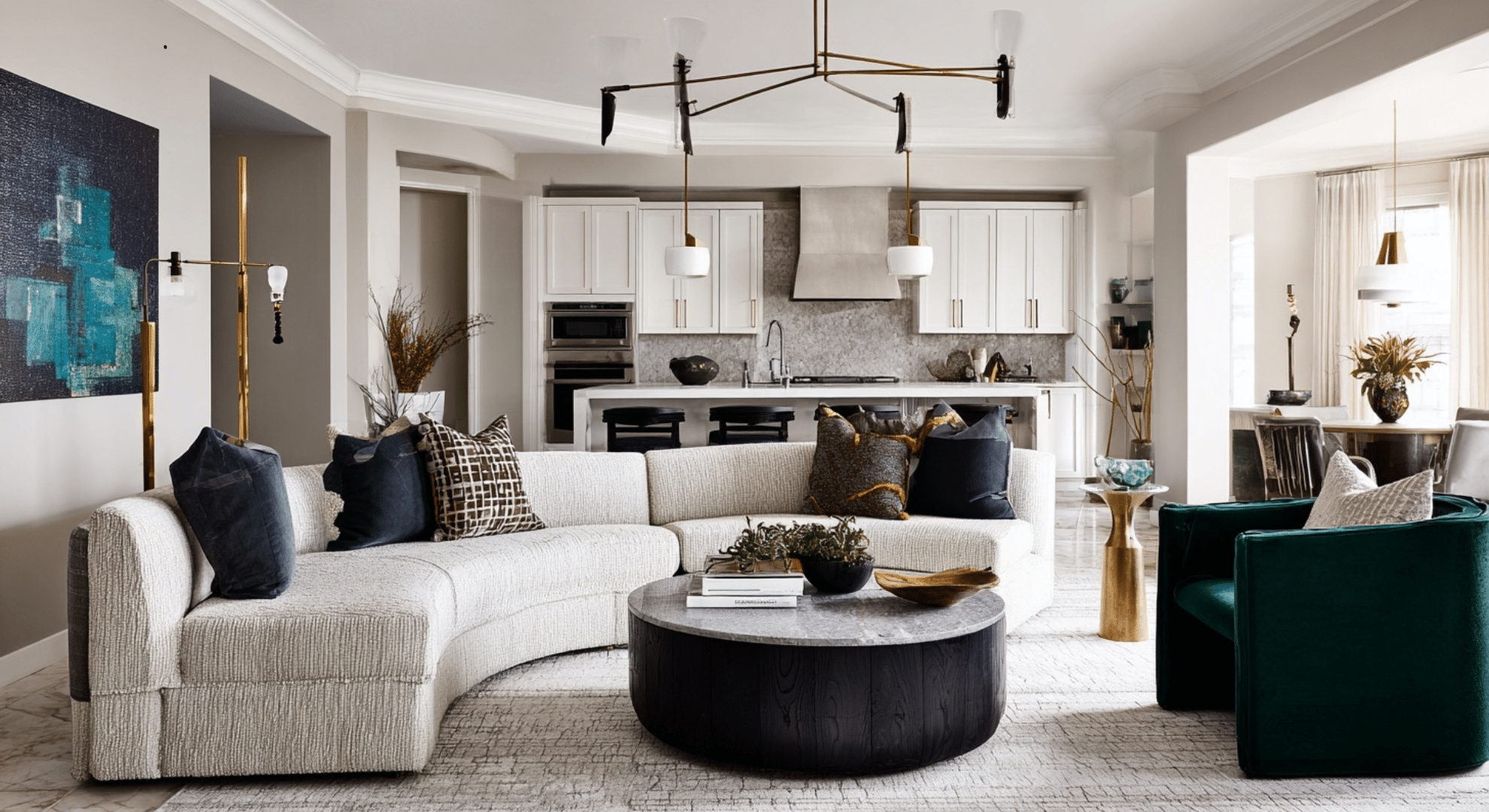
At first, this style sounds the same as modern, but it’s not. Contemporary means “what’s popular right now.” So it keeps changing with time.
How it differs from modern
Modern is stuck to a certain time and look. Contemporary changes. It borrows from many styles but always keeps things fresh, simple, and on-trend.
Why it changes over time
Because it reflects the current moment. What feels “contemporary” today may feel old in a few years. That’s what keeps it exciting.
Mid-Century Modern
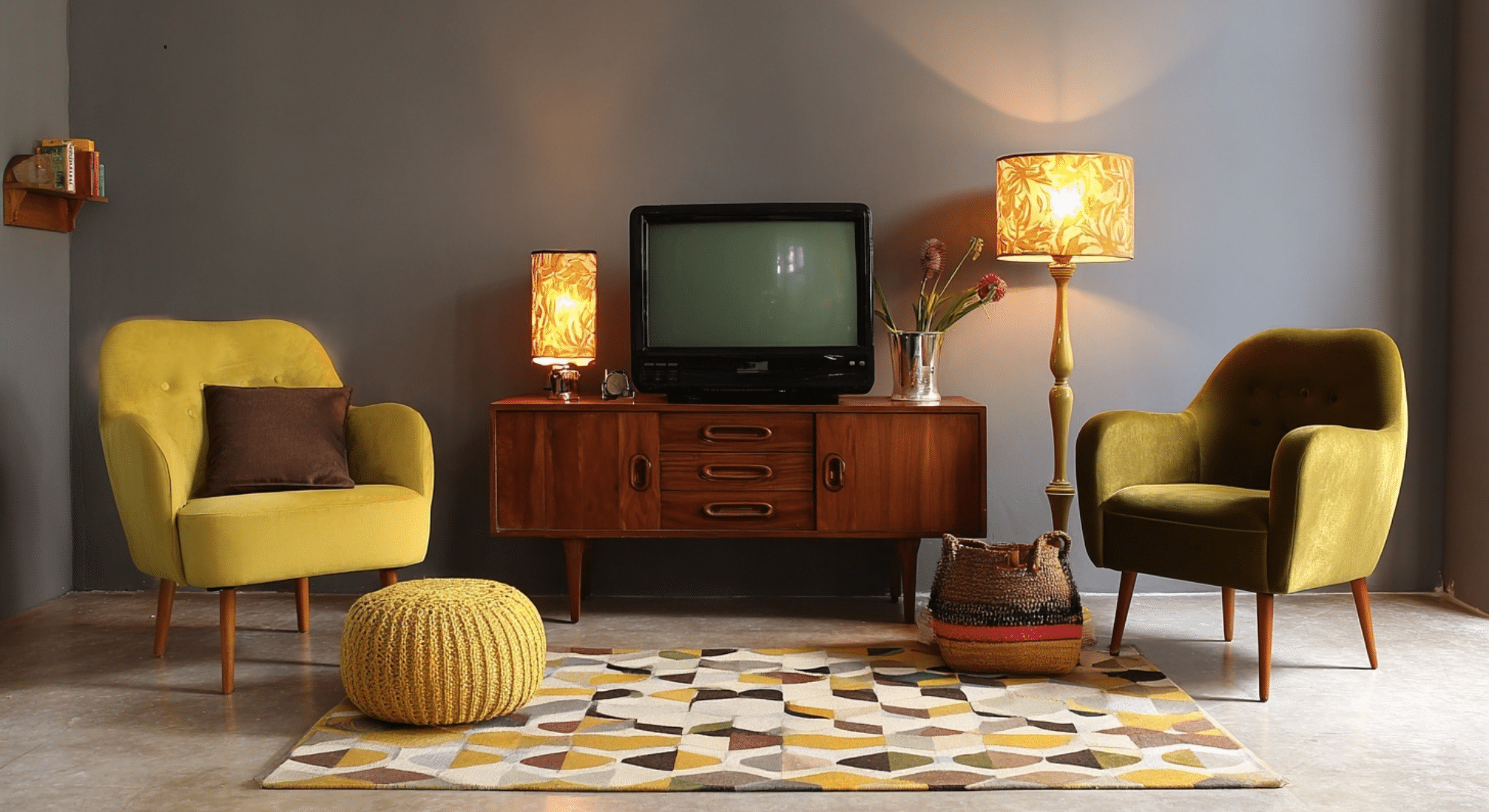
This style comes from the mid-1900s, mainly the 1950s and 60s. It’s known for its simple shapes and cool, retro feel.
Key era influences
It was shaped by post-war design, when people wanted simple, affordable furniture that still looked good.
Common furniture shapes
You’ll see a lot of low, long furniture with wooden legs. Curved edges, bold colors, and fun patterns are also common.
Minimalist Interior Design
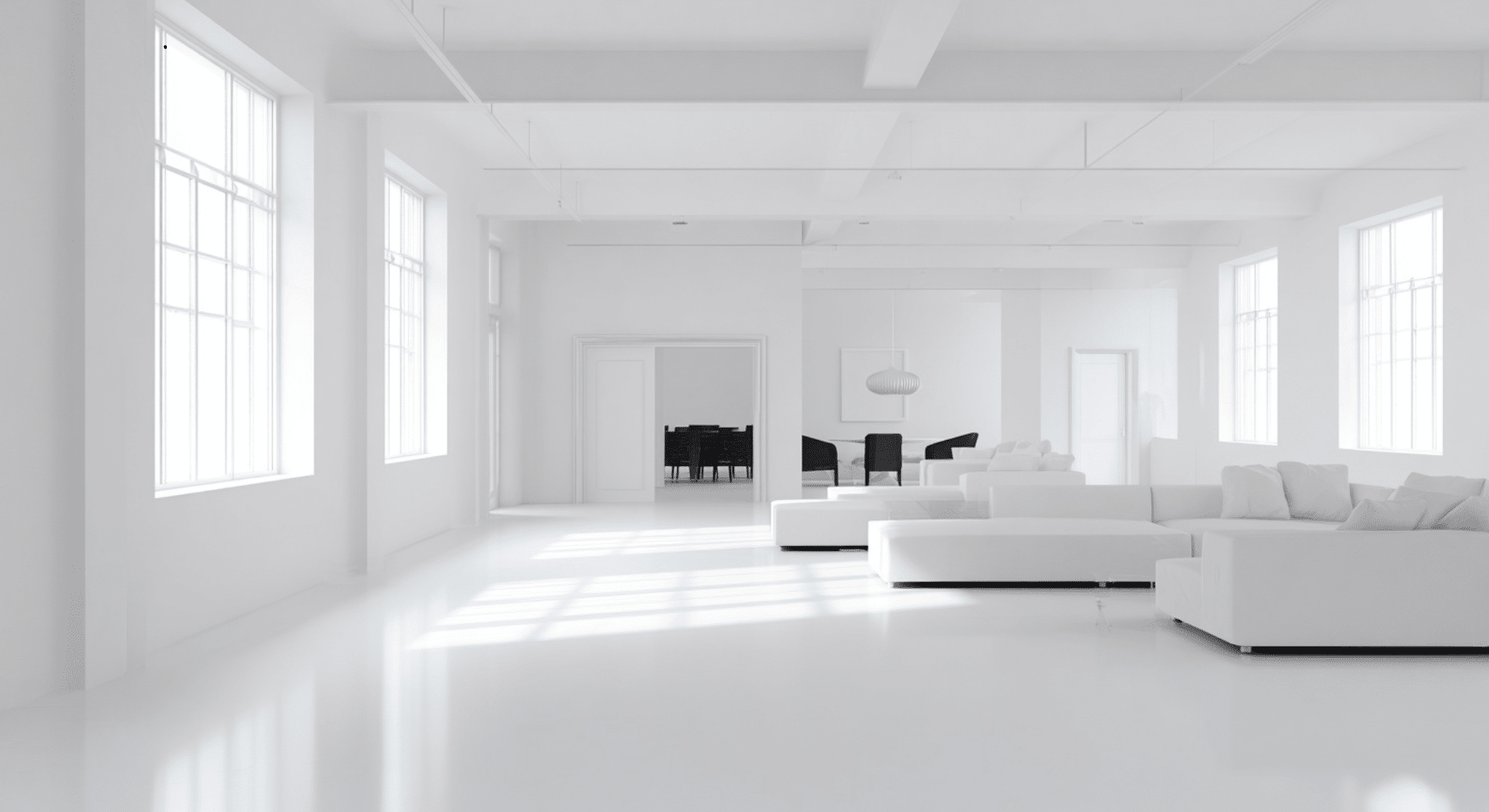
Minimalist design is all about doing more with less. Clean spaces, no extra stuff, and a focus on what’s truly needed.
Focus on simplicity and function
Everything in the room has a reason. Decorations are limited. The style uses a lot of white space and calm colors.
Who should avoid it
If you love decorating or like rooms with lots of detail, minimalism might feel cold or boring to you.
Scandinavian Interior Design

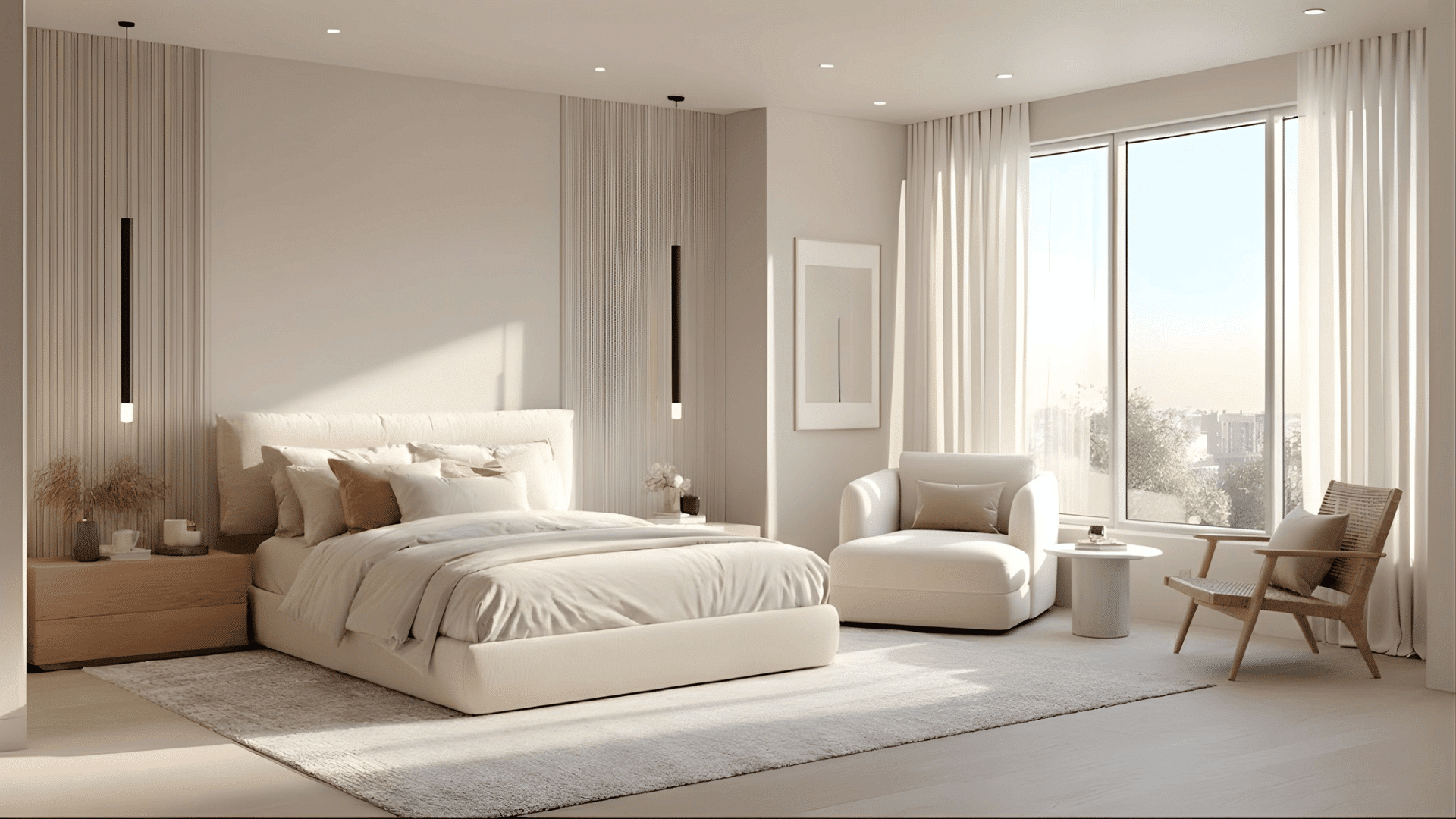
Scandinavian style is like a warm version of minimalism. It’s simple, but cozy.
Warm minimalism explained
It uses clean lines and open space, but adds soft colors, warm wood, and comfy textures like wool or cotton.
How it balances comfort and function
This style puts people first. It’s about feeling good in your space, not just making it look nice. Think natural light, soft rugs, and easy-to-move furniture.
Bohemian (Boho) Interior Design
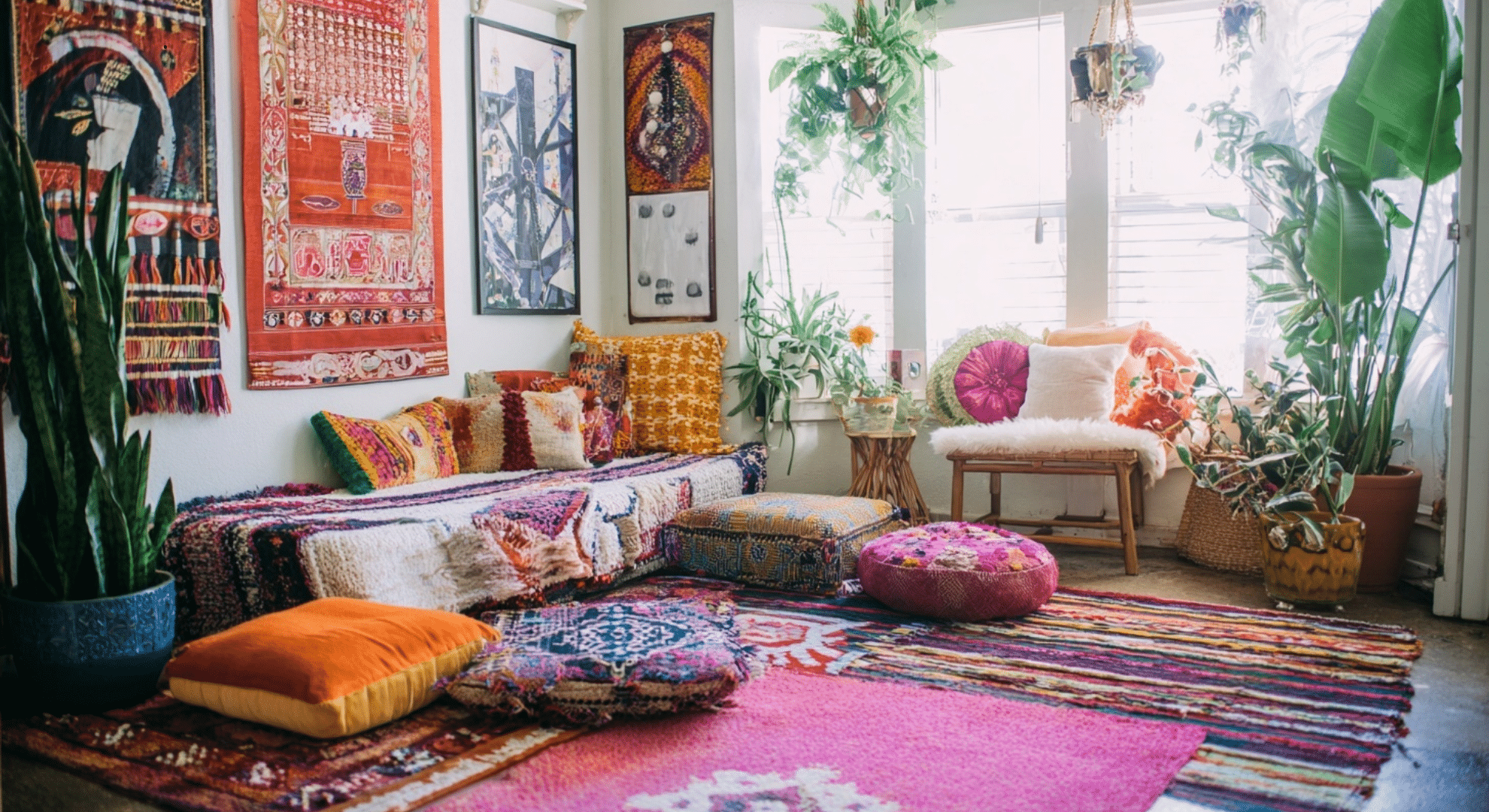
Boho is relaxed, colorful, and full of personal stuff. It doesn’t follow rules—and that’s the point.
Layering, color, and personal expression
You’ll often see lots of patterns, pillows, rugs, plants, and art. It’s about showing who you are through your space.
When it can feel cluttered
If there’s too much going on, it can start to feel messy or busy. Boho works best when there’s a little breathing room between the layers.
Industrial Interior Design

Industrial style takes its cues from old factories and warehouses. It feels raw, bold, and open.
Raw materials and open spaces
You’ll see a lot of brick walls, metal pipes, concrete floors, and dark wood. It keeps things exposed instead of hiding them.
Best home types for this style
It works best in lofts, big apartments, or open homes with tall ceilings and lots of light.
Farmhouse and Modern Farmhouse
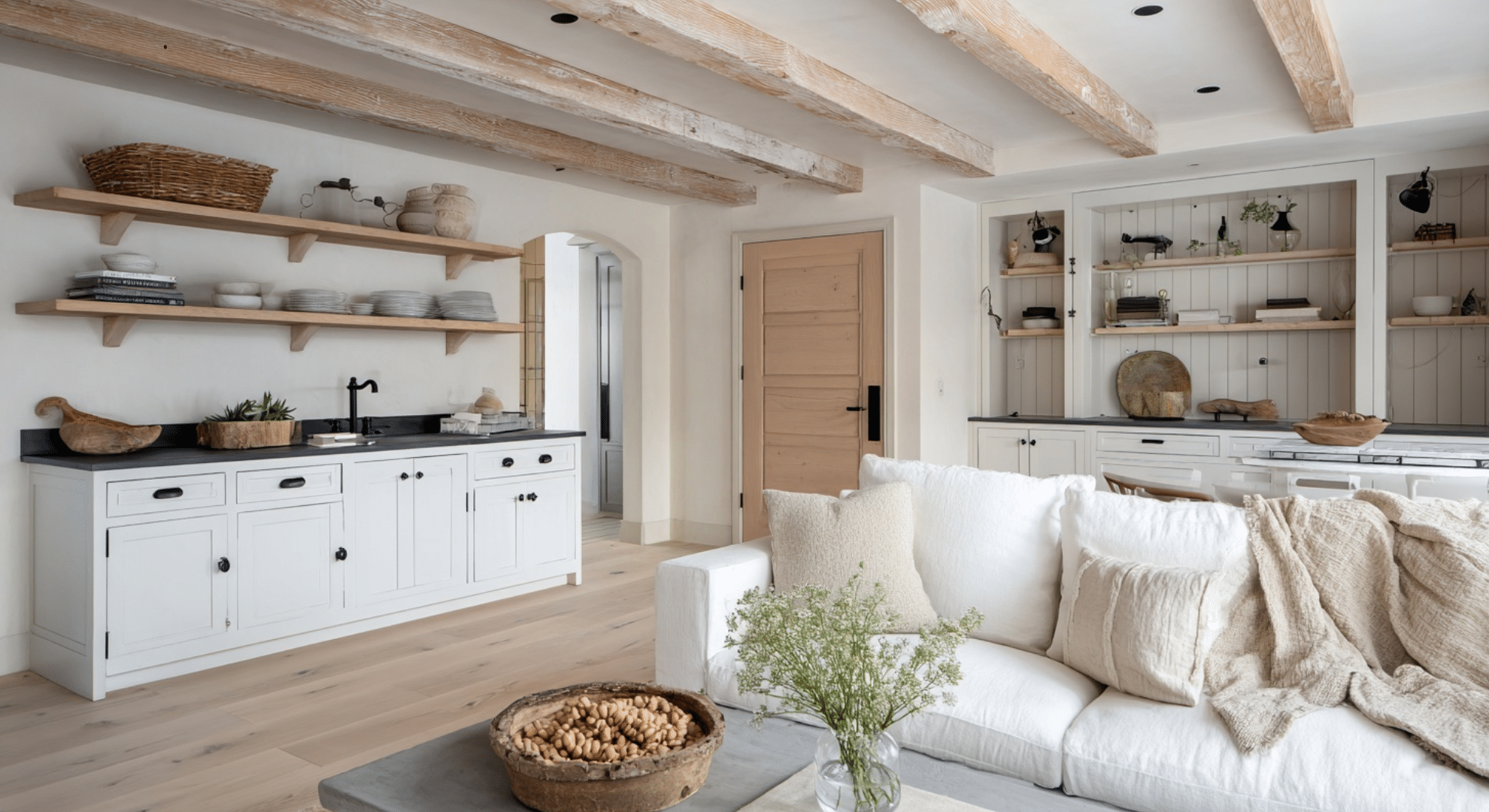
Farmhouse is cozy, worn-in, and friendly. Modern farmhouse takes those warm roots and gives them a clean update.
Rustic roots vs modern updates
The original farmhouse style uses vintage finds, wood beams, and soft colors. Modern farmhouse keeps the cozy but adds cleaner lines, black metal, and newer touches.
Common mistakes people make
Some go too far and make it feel like a country theme park. The key is balance—just enough rustic to feel homey, not overdone.
Traditional Interior Design

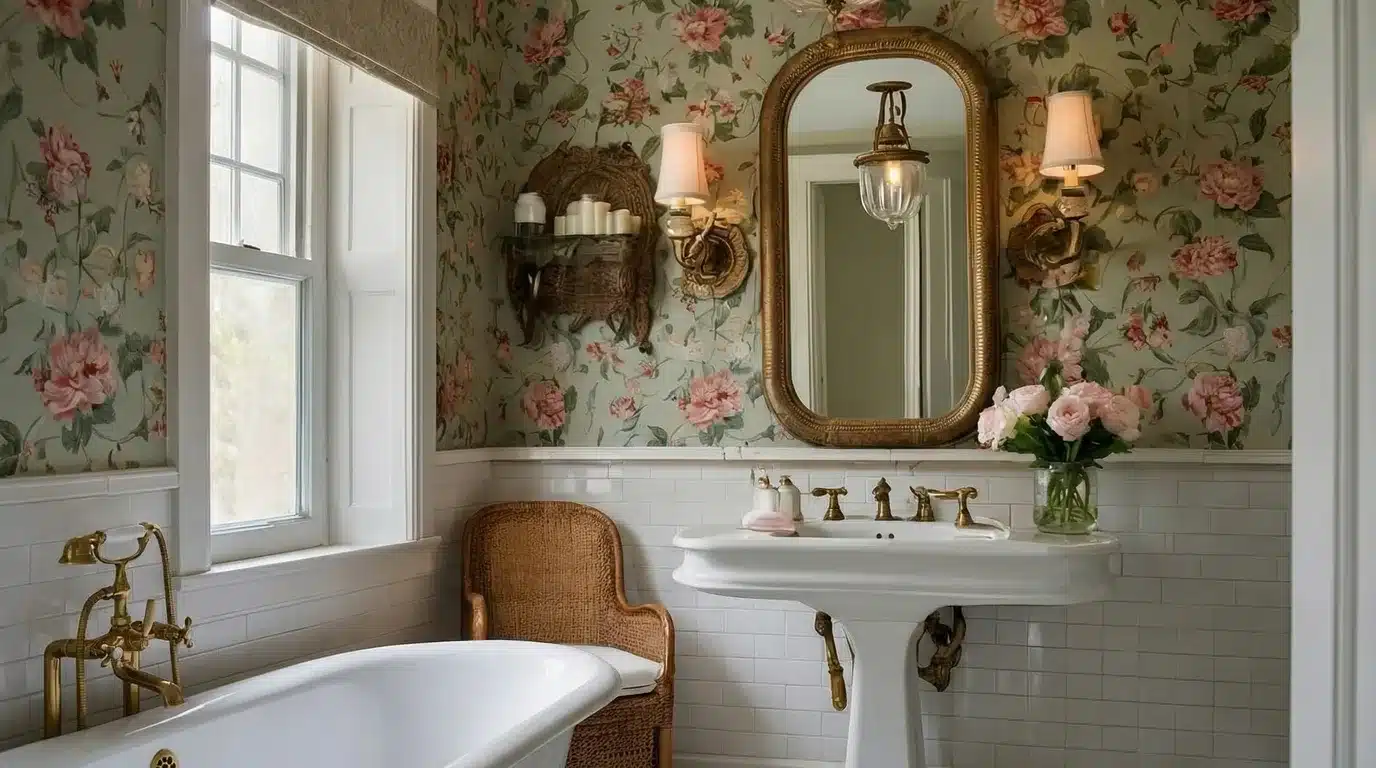
This style is based on classic European homes. It’s neat, balanced, and feels familiar.
Classic elements and structure
You’ll see matching furniture sets, heavy curtains, rich colors, and lots of symmetry. Everything has a place and purpose.
Why it still works today
It brings a calm, steady feel to a home. Even with new trends around, traditional gives off a feeling of trust and comfort that many people still want.
Transitional Interior Design
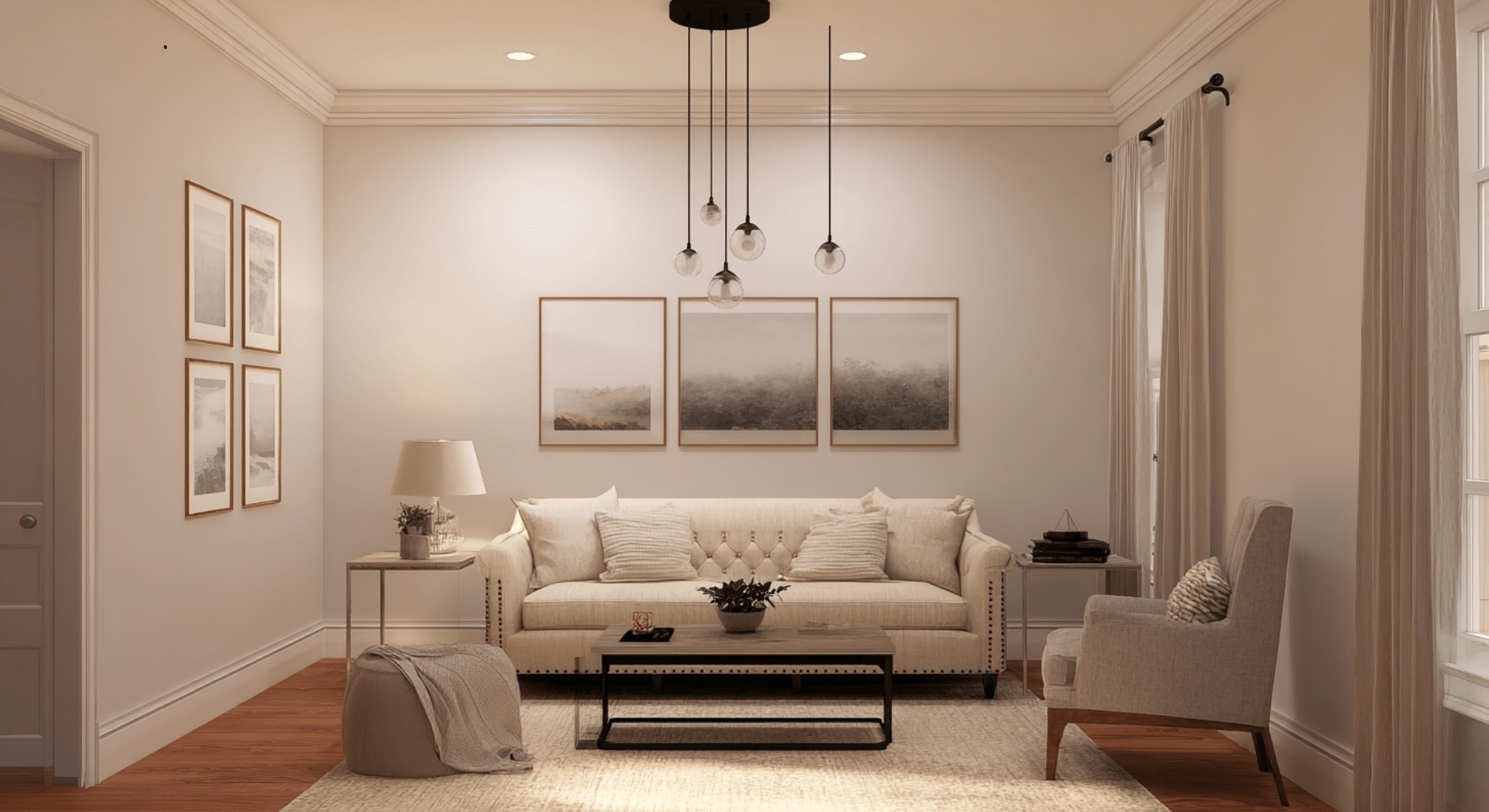
Transitional is a mix. It blends the structure of traditional with the clean feel of modern.
How it blends traditional and modern
You might see classic furniture with modern fabrics. Or modern lighting with traditional layouts. It balances old and new without picking sides.
Why it appeals to many homeowners
It gives you the best of both worlds. You get comfort and style. Structure and ease. That’s why it’s one of the most popular styles today.
Styles of Interior Design Based on Lifestyle and Space
Your lifestyle and space play a big role in what design style works best for you. It’s not just about what looks nice—it’s about what fits your daily life.
If your home is full of kids, pets, or people coming and going, you’ll probably want a style that’s easy to live in. Think simple layouts, strong furniture, and soft corners—like modern farmhouse or minimalist.
These styles keep things practical without feeling dull. On the other hand, if your space is calm and quiet, you can try more detailed styles like traditional or boho that let you play with more texture, color, or layered decor.
Small apartments call for smart, open designs like Scandinavian or minimalist—where every inch matters. Larger homes have more room for heavier furniture and statement pieces, which work well in traditional or industrial spaces.
Renters might prefer styles that don’t need big changes, like contemporary or boho, which rely more on moveable pieces. Homeowners have more freedom to change walls, floors, or built-ins.
If you want low-maintenance, go for clean lines. If you enjoy detail, you’ve got more options to try.
How to Identify Your Interior Design Style
Finding your style doesn’t have to be hard—you’ve probably already started without knowing it. Most people have clear patterns in what they like. You might always be drawn to clean spaces with neutral colors, or maybe you love cozy rooms with lots of texture and bold color. These visual preferences are your biggest clues.
Think about rooms you’ve seen and loved—online, in shows, or at a friend’s house. What stood out? Was it the furniture, the layout, the feeling of the space? These small details help point to your style.
Quizzes can help too. There are simple online tests that ask you about your likes and dislikes. Mood boards are also useful. Just start saving pictures of rooms or items you like. After a while, you’ll see patterns in the colors, shapes, and materials.
And remember—your style can change. As your life changes, your taste may shift too. That’s normal. The goal isn’t to lock into one style forever. It’s to create a space that feels right for you right now.
Can You Mix Interior Design Styles Without It Looking Messy?
Yes, you can mix interior design styles and it doesn’t have to look messy. In fact, some of the best-looking homes are a mix of styles. When done right, mixing gives your space more character and feels more personal, not stiff or copied.
The trick is to keep one style in charge. This is where the 80/20 rule helps. Let one style take up 80% of the room. Use the other 20% to add in a second style you love. That way, your space feels clear and put together, not confusing.
Pick your main style first. Use it for big things like the couch, walls, or lighting. Then layer in another style through smaller pieces like chairs, rugs, or decor.
What to avoid:
- Using too many styles at once
- Mixing colors or shapes that clash
- Ignoring the feel of the room as a whole
Stick to a plan. Keep some parts the same (like color or shape) across styles. That’s how you mix without the mess.
Conclusion
Understanding the different types of interior design styles helped me see why some spaces feel just right and others don’t. Once I figured out what styles I liked—and why—it became way easier to make choices that actually fit my life.
Now it’s your turn to think about what styles match your space, your needs, and your day-to-day rhythm. Even a small shift in style can make a big difference in how your home feels.
Keep in mind: your style doesn’t have to be perfect or fixed. It just has to feel like you.
If this helped you get clearer about what you like, check out more of our blogs for style guides, room tips, and down-to-earth advice you can actually use.